
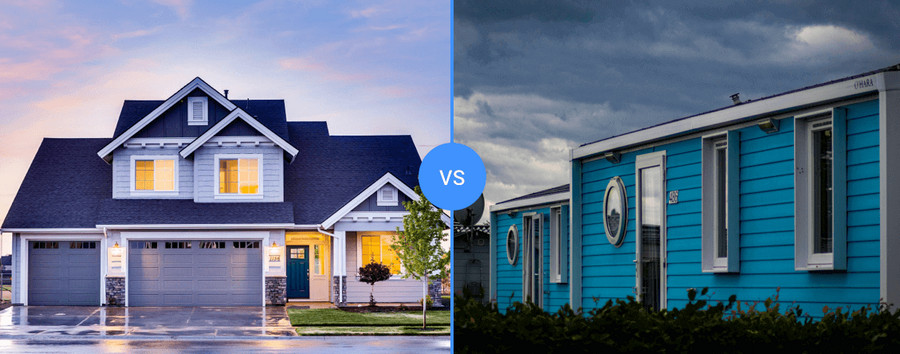
Understanding the differences between a mobile home vs modular home is essential for anyone considering manufactured housing. While both options offer cost-effective alternatives to traditional homes, they differ in construction, mobility, building standards, financing, and overall value. Knowing these distinctions helps homebuyers make informed decisions and select a home that suits their lifestyle and budget.
1. Construction Process
Mobile Home:
Mobile homes, also called manufactured homes, are fully built in a factory on a steel chassis or frame. This frame allows transportation to the final location. Most mobile homes are single-story, though sizes and designs vary. Their construction is standardized for efficiency, ensuring quick production and consistent quality.
Modular Home:
Modular homes are also factory-built, but they are created in separate sections or modules. Each module represents part of the final home, typically framed with wood. Once delivered, the modules are assembled onsite into a complete structure. This method allows for greater design flexibility, customization, and the ability to create multi-story homes.
Advantages of Factory-Built Homes
Factory-built construction ensures faster completion times, reduced material waste, and improved quality control. Both mobile and modular homes benefit from controlled environments, minimizing weather-related delays during construction.
2. Mobility
Mobile Home:
As the name suggests, mobile homes are designed to be moved. They retain wheels, axles, and towing apparatus, allowing relocation to mobile home parks or private land. However, moving can be costly, requiring permits and professional assistance.
Modular Home:
Modular homes are permanent once installed on a foundation. The modules are connected on-site, and additional construction work creates a seamless home. While modular homes offer customization, they are not intended to be relocated.
Key Considerations for Mobility
If you anticipate moving frequently, a mobile home provides flexibility. In contrast, modular homes offer permanence, making them ideal for long-term ownership and stable investment.
3. Building Codes and Standards
Mobile Home:
Mobile homes follow the HUD Code in the U.S., a federal standard distinct from local building codes. These codes focus on safety, durability, and quality specifically for manufactured homes.
Modular Home:
Once assembled on-site, modular homes adhere to the same local building codes and zoning laws as traditional stick-built homes. They undergo inspections similar to site-built houses, ensuring compliance with safety and quality standards.
Impact on Safety and Compliance
Both options meet regulated construction standards, but modular homes align more closely with conventional building practices, often providing homeowners with added peace of mind regarding long-term durability.
4. Financing and Resale Value
Mobile Home:
Mobile homes are typically considered personal property unless permanently affixed to land. Financing may be more limited, and they tend to depreciate over time, similar to vehicles, which can affect resale value.
Modular Home:
Modular homes, treated as real property once set on a foundation, are eligible for traditional home financing. They usually retain value better than mobile homes, making them a stronger long-term investment.
Financial Implications
For buyers focused on affordability, mobile homes offer a lower upfront cost. Meanwhile, modular homes provide more financial stability and higher potential resale value.
5. Design and Customization
Mobile Home:
Mobile homes often follow standard floor plans with limited customization. Buyers can choose interior finishes, but overall design flexibility is restricted.
Modular Home:
Modular homes offer extensive customization. Homeowners can select from a variety of floor plans, layouts, and finishes. The modular design allows multi-story structures and unique architectural features.
Personalizing Your Home
For those who want a home tailored to specific needs, modular homes provide greater freedom to create a space that reflects personal taste and lifestyle preferences.
6. Quality and Durability
Mobile Home:
Constructed to meet HUD Code requirements, mobile homes are safe and durable, though perception of lower quality persists. Materials may not match the robustness of traditional or modular homes.
Modular Home:
Modular homes benefit from controlled factory construction and wood framing. Their quality and durability are often comparable to traditional stick-built homes, providing long-term reliability.
Ensuring Long-Term Value
While both home types are regulated, modular homes typically outperform mobile homes in perceived and actual quality, which can influence buyer satisfaction and property value over time.
7. Energy Efficiency
Mobile Home:
Energy efficiency in mobile homes has improved but may still lag behind modular homes. This can lead to higher utility costs over time.
Modular Home:
Built with precision in factory conditions, modular homes often feature superior insulation and energy-efficient systems, reducing utility bills and environmental impact.
8. Resale Value
Mobile Home:
Depreciation and limited mobility affect resale value, making mobile homes less attractive as long-term investments.
Modular Home:
Modular homes generally retain value better due to high-quality construction, adherence to building codes, and treatment as real property.
FAQ
1. What is the main difference between a mobile home vs modular home?
Mobile homes are designed for mobility, while modular homes are permanent and assembled on a foundation.
2. Which option has better resale value?
Modular homes usually retain value better because they are treated as real property.
3. Can I move a modular home?
No, modular homes are designed to stay permanently on their foundation.
4. Are mobile homes energy efficient?
They are improving but generally less efficient than modular homes or traditional houses.
5. Which is easier to finance?
Modular homes are easier to finance since they are considered real property.
6. Can I customize a mobile home?
Yes, but customization is limited compared to modular homes.
7. Do modular homes meet local building codes?
Yes, they comply with the same codes and inspections as site-built homes.
8. Are mobile homes durable?
Yes, they meet HUD Code standards, but materials may not match modular home quality.
9. Which is more suitable for frequent relocation?
Mobile homes, since they are built for transport.
10. Where can I learn more about buying manufactured homes?
Visit The Mobile Home Dealer for guidance and resources.
Final Thoughts
The mobile home vs modular home decision depends on your lifestyle, budget, and long-term plans. Mobile homes offer flexibility and lower upfront costs, while modular homes provide permanence, customization, higher quality, and better resale value. Understanding these differences ensures you make the best choice for your housing needs and investment goals.