
Staying comfortable throughout the colder months is important for every homeowner, but the heating needs of a mobile home can be different from those of a traditional house. The goal in both situations is the same: maintain a warm, comfortable living environment without excessive energy costs. However, because mobile homes are constructed differently and may use different layouts, insulation materials, and heating setups, choosing and maintaining the right system is essential. Learning how mobile home heating systems work and how they compare to heating in standard houses can help you make informed decisions, improve efficiency, and keep your home cozy during winter.
When you live in a mobile home, the system you choose can have a noticeable impact on your comfort and monthly utility bills. Understanding your options also helps when upgrading, replacing older equipment, or troubleshooting common heating issues. Whether you are new to mobile home living or simply exploring ways to make your home warmer, knowing the differences and key considerations will lead to better results.
How Construction Influences Mobile Home Heating
There are several construction-related differences between mobile homes and traditional stick-built homes. These structural differences have a direct impact on heating needs, system design, and efficiency.
- Mobile homes are often built with lighter or thinner exterior materials, which may allow heat to escape more quickly.
- Traditional homes usually have thicker walls and more insulation, improving heat retention.
- Mobile homes generally offer smaller floor plans, meaning less air needs to be heated, but faster heat loss can still occur.
- Some mobile homes may not come with ductwork, influencing the type of heating system that can be installed.
Because of these differences, heating systems designed specifically for mobile homes are usually more compact and efficient for smaller spaces. However, they must be chosen carefully to avoid high energy usage or uneven heating.
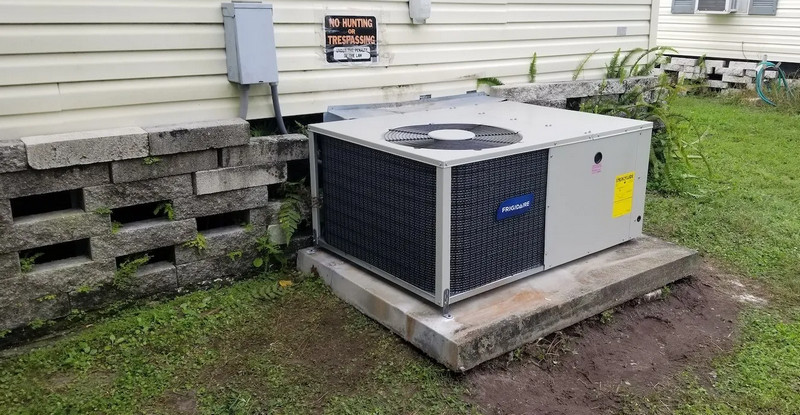
Common Types of Mobile Home Heating Systems
Mobile home heating systems come in several forms, each with its own benefits and limitations. Choosing the right one depends on your home size, energy costs in your area, and whether your home has ductwork.
- Forced-air heating units: These systems combine heating and air circulation into one compact unit. They work using electricity or propane and push warm air out into the home. Forced-air systems are one of the most common heating methods in mobile homes.
- Wall heaters: These heaters mount directly to the wall and operate using gas or electricity. They heat smaller areas effectively and can offer zoned heat for specific rooms.
- Space heaters: Portable heaters can provide quick warmth where needed. They are useful as supplemental heating but should not be used as the primary heat source for extended periods.
While all three heating options have a place in mobile home heating systems, forced-air units are the closest match to a full-home heating solution. Still, the right choice depends on your home’s layout and insulation levels.
Heating Systems Used in Traditional Homes
Traditional houses typically have more heating system options because they are built with thicker walls and permanent foundations, allowing for larger equipment and more extensive ductwork.
- Central forced-air furnaces: These systems heat air using gas, oil, or electricity, then push it through ductwork to warm the entire home evenly.
- Boilers with radiant heat: These systems heat water and circulate it through pipes in the flooring or radiators, producing gentle and consistent warmth.
- Electric baseboard heaters: These heaters are attached to walls and provide room-specific heating without needing ducts.
Compared to mobile home heating systems, setups in traditional homes tend to offer more power and heat distribution but may also cost more to install and maintain.
Improving Efficiency in Mobile Home Heating
Maximizing heating efficiency can reduce energy bills and improve overall comfort. Small upgrades and maintenance steps often lead to big improvements.
- Add insulation to walls, attics, and under-floor areas to minimize heat loss.
- Install mobile home skirting to reduce cold air flow under the home.
- Seal air leaks and drafts around windows, doors, and vents.
- Use weather stripping and caulking in problem areas to keep warm air inside.
- Maintain your heating system annually to ensure it runs efficiently.
- Use programmable thermostats to adjust temperatures while sleeping or away.
These steps not only make heating systems more effective but also increase comfort during seasonal temperature changes.
Frequently Asked Questions
Do mobile homes require special heating systems?
Yes, mobile home heating systems are designed specifically for smaller spaces and certain construction standards.
Can I install a traditional furnace in a mobile home?
No, mobile homes must use heating units rated for manufactured housing.
Are propane heaters safe for mobile homes?
Yes, when properly installed and ventilated by a professional.
How often should a mobile home heating system be serviced?
At least once per year for maximum efficiency and safety.
What is the best heating system for a single-wide mobile home?
Forced-air heating units are commonly recommended for whole-home heating.
Can space heaters heat an entire mobile home?
No, space heaters are best used as supplemental heat in specific rooms.
Does insulation make a big difference in comfort?
Yes, improving insulation can significantly reduce heat loss and energy costs.
Why do mobile homes lose heat faster than traditional homes?
They often have thinner walls and less insulation, which impacts heat retention.
Can I add ductwork to my mobile home?
Yes, but it must be designed for manufactured housing and installed by a professional.
Should I replace a heating system over 15 years old?
Yes, older systems may be less efficient and cost more to operate.
Final Thoughts
Choosing the right heating approach for your mobile home makes a noticeable difference in comfort, energy usage, and cost. Understanding how mobile home heating systems differ from those found in traditional homes helps you choose the best option for your needs. By improving insulation, sealing air leaks, and maintaining your heating system regularly, you can create a warm and efficient living space throughout winter. With thoughtful upgrades and informed decisions, keeping your mobile home cozy can be both affordable and effective.