
Mobile home weather protection is one of the most important steps for Florida homeowners. The state faces strong sun, heavy rain, high humidity, and seasonal storms. So, protecting your home from weather damage should be a top priority.
Next, mobile homes often face more direct exposure to the elements. Roofs, siding, skirting, and windows need regular attention.
Then, taking preventive steps helps reduce repair costs and improves long-term comfort. This guide covers the best ways to protect your home in Florida.
Protecting the Roof From Rain and Wind
The roof is your home’s first line of defense. Florida storms and heavy rain can cause leaks fast.
Next, inspect the roof for loose seams, cracks, or worn sealant. Small issues can turn into major repairs.
Then, reseal roof joints and vents before storm season begins. This step helps block water intrusion.
Roof protection steps include:
- Check for soft spots and leaks
- Reseal seams and roof edges
- Clean gutters and drains
- Inspect roof vents and flashing
After that, adding a roof coating can help reflect heat and extend roof life.
Mobile Home Weather Protection for Windows and Doors
Windows and doors often allow rain, wind, and heat inside. Proper sealing improves comfort and prevents damage.
Next, inspect weather stripping and replace worn sections. This helps block moisture and drafts.
Then, check window caulking for cracks or gaps. Reseal any weak areas right away.
After that, storm shutters or impact-resistant windows add extra protection during hurricane season.
Protecting the Skirting and Underside
The underside of a mobile home needs strong protection. Florida humidity and rain can damage exposed areas.
Next, inspect the skirting for cracks, missing panels, or loose fasteners.
Then, repair damaged sections to keep moisture and pests out. Proper skirting helps regulate airflow under the home.
Underside protection tips:
- Repair broken skirting panels
- Check vents for airflow
- Inspect floor insulation
- Watch for standing water
After that, good drainage around the home helps reduce moisture buildup.
Mobile Home Weather Protection During Hurricane Season
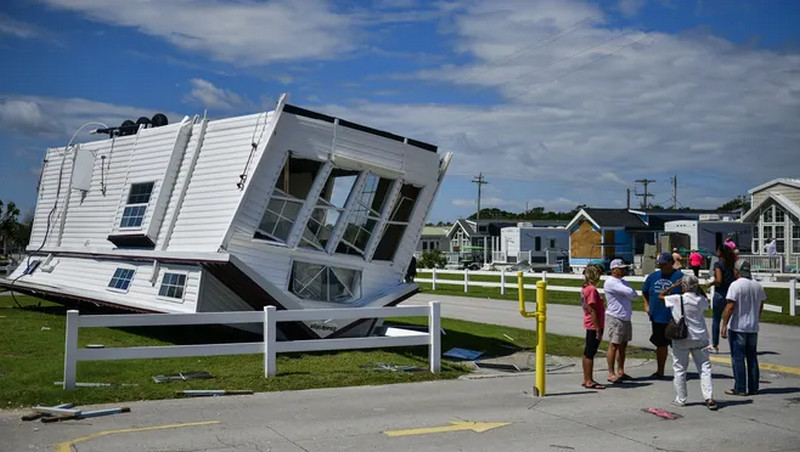
Florida homeowners must prepare for hurricane season every year. High winds and flying debris can cause serious damage.
Next, inspect anchors and tie-downs to keep the home stable. These systems should remain secure and rust-free.
Then, trim nearby trees and remove weak branches. This reduces storm-related risks.
After that, secure outdoor furniture and loose items before storms arrive.
Managing Heat and Sun Exposure
Florida sun can increase indoor heat and wear down exterior materials. Heat protection keeps the home comfortable.
Next, reflective roof coatings help reduce heat absorption. This lowers indoor temperatures.
Then, install insulated curtains or window film to block sunlight.
After that, exterior shade solutions, like awnings, can help protect windows and doors.
Preventing Water Damage and Moisture Issues
Heavy rain and humidity often lead to moisture problems. Quick action helps prevent mold and structural damage.
Next, inspect plumbing areas and roof seams regularly. Look for water stains or soft flooring.
Then, use a dehumidifier during humid months to control indoor moisture.
Moisture prevention steps include:
- Check for leaks after storms
- Keep gutters clear
- Use a dehumidifier indoors
- Improve ventilation
After that, fix leaks immediately to prevent larger issues.
Exterior Siding and Wall Protection
Siding protects the structure from wind and rain. Damaged siding can let moisture inside walls.
Next, inspect panels for cracks, loose edges, or warping.
Then, replace damaged sections before storm season.
After that, repainting or resealing exterior walls adds another layer of protection.
Drainage Around the Home
Poor drainage can lead to standing water around the home. This issue may affect flooring and support systems.
Next, keep the ground sloped away from the structure. This helps move rainwater away.
Then, add gravel or drainage channels if needed.
After that, check the area after heavy rain to spot pooling water.
Seasonal Maintenance Checklist
Routine maintenance keeps weather damage under control. Florida homeowners should inspect their homes every season.
Next, create a simple checklist for each inspection period.
Seasonal checklist:
- Roof and gutter inspection
- Window and door sealing
- Skirting and anchor checks
- Drainage review
After that, regular checks help catch small issues early.
Common Mistakes to Avoid
Some homeowners wait until damage appears. This often leads to higher repair costs.
Next, do not ignore minor leaks or loose siding. Small issues spread quickly.
Then, avoid skipping storm preparation steps. Florida weather changes fast.
After that, regular inspections help prevent surprise repairs.
Frequently Asked Questions About Mobile Home Weather Protection
Why Is Mobile Home Weather Protection Important in Florida?
Florida weather includes storms, humidity, and strong heat year-round.
How Often Should I Inspect the Roof?
Inspect it every season and after major storms.
Do I Need Storm Shutters?
They help protect windows during hurricanes and strong storms.
How Can I Protect My Mobile Home From Heat?
Use reflective coatings, curtains, and exterior shade solutions.
Should I Check the Skirting Often?
Yes, inspect it regularly for cracks and loose panels.
What Helps Prevent Moisture Damage?
Good ventilation, drainage, and quick leak repairs help most.
Do Tie-Downs Need Maintenance?
Yes, inspect them before hurricane season each year.
Can Poor Drainage Damage My Home?
Yes, standing water can affect floors and supports.
How Do I Protect Windows During Storms?
Use storm shutters or impact-resistant glass.
Is Seasonal Maintenance Necessary?
Yes, it helps prevent expensive repairs later.
Final Thoughts on Protecting Your Florida Home
Mobile home weather protection helps Florida homeowners reduce storm damage, moisture issues, and heat-related wear. Regular inspections and seasonal maintenance keep your home safe and comfortable. Small preventive steps today can save major repair costs later.