
The rise of alternative and affordable housing has brought new terms into everyday conversation—terms that are often used interchangeably but don’t always mean the same thing. One of the most common questions people ask is, are mobile homes considered portable homes? While both offer mobility and flexibility, they differ in construction standards, mobility, and long-term use.
This guide breaks down the distinctions between mobile and portable homes, exploring how each functions, what regulations apply, and which may best suit your housing needs.
Understanding What a Mobile Home Is
A mobile home, also called a manufactured home, is a factory-built residence constructed under federal housing standards and delivered to a permanent site. These homes are built on steel frames and designed for relocation, but once installed, they usually remain in one place for many years.
Mobile homes are built according to the U.S. Department of Housing and Urban Development (HUD) code, which sets strict standards for safety, durability, and energy efficiency. This makes them distinct from traditional site-built homes and other forms of temporary housing.
Their main advantage lies in affordability and structure. They can include modern amenities such as multiple bedrooms, full kitchens, and energy-efficient systems, all within a regulated and cost-effective design.
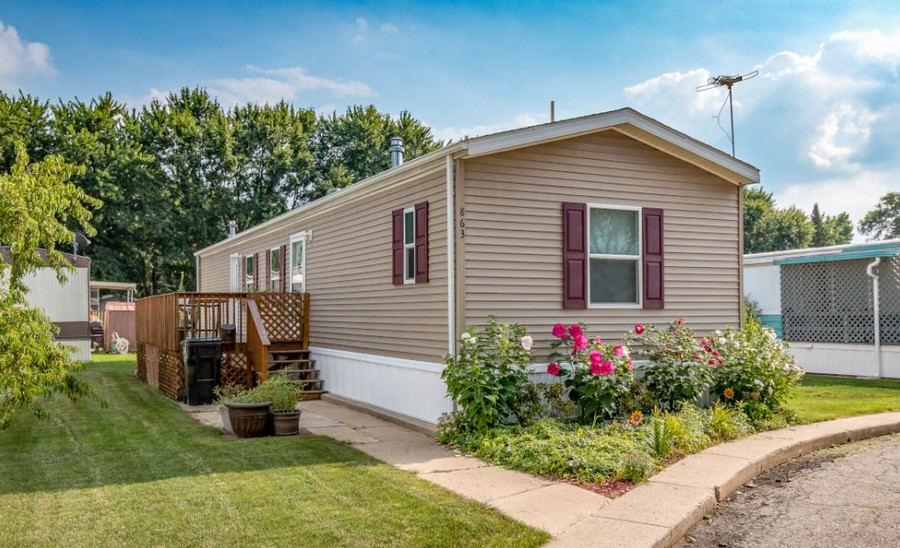
Key Features of Mobile Homes
- Transportability: Mobile homes are built with steel chassis and wheels, making them relocatable, although moving them requires professional equipment and permits.
- Federal Construction Standards: Every mobile home must comply with HUD’s national safety and construction code, ensuring long-term quality and structural integrity.
- Variety in Size: Mobile homes range from single-section to double or triple-section units, accommodating different budgets and family sizes.
- Community Living: Most mobile homes are installed in dedicated parks or manufactured home communities equipped with shared amenities and infrastructure.
What Defines a Portable Home?
Portable homes cover a broader category of movable housing options. Unlike mobile homes, they aren’t limited to one type of construction or regulatory standard. They include tiny houses on wheels, container homes, modular cabins, and other transportable structures designed for flexible or temporary living.
These homes are often built for lifestyle mobility rather than permanent residence. Many owners use them for travel, seasonal living, or off-grid housing.
Key Features of Portable Homes
- Diverse Construction: Portable homes can be made from wood, steel, or even repurposed materials such as shipping containers. There is no single code governing their construction.
- Compact and Efficient: Tiny houses on wheels (THOWs) are the most popular form of portable home, emphasizing space-saving design and minimalism.
- Modern Design: Portable homes often feature eco-friendly designs, solar power systems, and sustainable materials.
- Flexible Placement: They can be parked on private land, used as guest homes, or placed in RV parks, offering greater flexibility than traditional housing.
Mobile Homes vs. Portable Homes: How They Differ
While both mobile and portable homes can move, their core purposes and regulations set them apart.
- Regulatory Compliance: Mobile homes are federally regulated under the HUD code, which enforces safety and quality standards. Portable homes, on the other hand, are not governed by federal standards, and their regulations vary depending on local jurisdictions.
- Mobility: Mobile homes are semi-permanent structures. They can be moved, but the process requires professionals and state permits. Portable homes are built for easy relocation, often moved by the owner using a truck or trailer.
- Construction: Mobile homes use traditional residential materials like wood and steel frames, while portable homes can use a variety of lightweight or repurposed materials for ease of transport.
- Usage: Mobile homes are designed for long-term living, typically in established communities. Portable homes cater to temporary or mobile lifestyles and are often favored by people who value flexibility.
Legal and Zoning Regulations
When exploring are mobile homes considered portable homes, legal zoning plays a major role in the distinction.
Mobile homes must comply with specific zoning rules, often limited to manufactured home communities or designated parcels of land. They require building permits, inspections, and adherence to HUD guidelines.
Portable homes, especially tiny houses or container homes, can face stricter zoning challenges since local laws may not recognize them as permanent dwellings. Some areas restrict their placement to RV parks or temporary-use zones.
Before purchasing or moving either type of home, it’s crucial to verify zoning laws, obtain necessary permits, and ensure compliance with local housing regulations.
Practical Considerations Before Choosing a Home Type
If you’re deciding between a mobile home and a portable home, here are a few practical factors to weigh:
- Long-Term Stability: Mobile homes provide a stable, affordable option for those seeking long-term housing.
- Mobility: Portable homes offer more freedom to move without complex relocation requirements.
- Regulations: Mobile homes follow a standardized code, making financing and insurance easier to obtain.
- Flexibility: Portable homes suit those who prefer alternative living arrangements and minimalist lifestyles.
FAQs About Mobile and Portable Homes
1. Are mobile homes considered portable homes?
Technically, yes. Mobile homes are portable in design but not as easily movable as smaller portable homes like tiny houses.
2. What makes a mobile home different from a portable home?
Mobile homes are built to HUD standards for long-term housing, while portable homes often lack formal regulation and are designed for flexibility.
3. Can mobile homes be moved easily?
Not easily. Moving a mobile home requires professional movers, permits, and sometimes escorts, depending on its size.
4. Are portable homes cheaper than mobile homes?
Usually, yes. Portable homes are smaller and often constructed with less material, but this depends on customization and materials used.
5. Do portable homes meet housing codes?
Not always. Regulations vary by location, and some portable homes may not qualify as permanent dwellings.
6. Can a mobile home be off-grid?
Yes. With solar panels and self-sustaining utilities, many mobile homes can operate independently.
7. Where can I place a portable home?
Portable homes can often be placed on private land, in RV parks, or in areas zoned for temporary housing.
8. Do mobile homes depreciate faster than portable homes?
Depreciation varies. Well-maintained mobile homes in stable communities often hold value better than portable units.
9. Can portable homes be financed?
Some lenders offer financing for portable homes, but it’s typically easier to obtain loans for HUD-certified mobile homes.
10. Which is better for long-term living?
A mobile home is generally better for permanent residence, while a portable home suits short-term or travel-based lifestyles.
Final Thoughts
So, are mobile homes considered portable homes? In part, yes—both share the ability to move, but the similarities end there. Mobile homes are regulated, semi-permanent residences built for long-term living, while portable homes embrace flexibility, simplicity, and mobility.
Ultimately, the right choice depends on your lifestyle and priorities. If you want a stable home that meets federal housing codes, a mobile home is ideal. If freedom and travel appeal more, a portable home may be the perfect fit.
As housing trends evolve, understanding these differences will help you make informed decisions about where—and how—you want to live.