
The Pros and Cons of Fixer-Upper Mobile Homes play a major role in how buyers approach affordable housing in Florida. Many buyers focus on price first, yet repairs, park rules, and resale conditions influence long-term results. Fixer-upper mobile homes appeal to investors, retirees, and buyers who want lower upfront costs. At the same time, these homes demand planning, patience, and realistic budgets. This article explains the benefits and drawbacks of using Florida-specific figures and real buying conditions.
What Qualifies as a Fixer-Upper Mobile Home
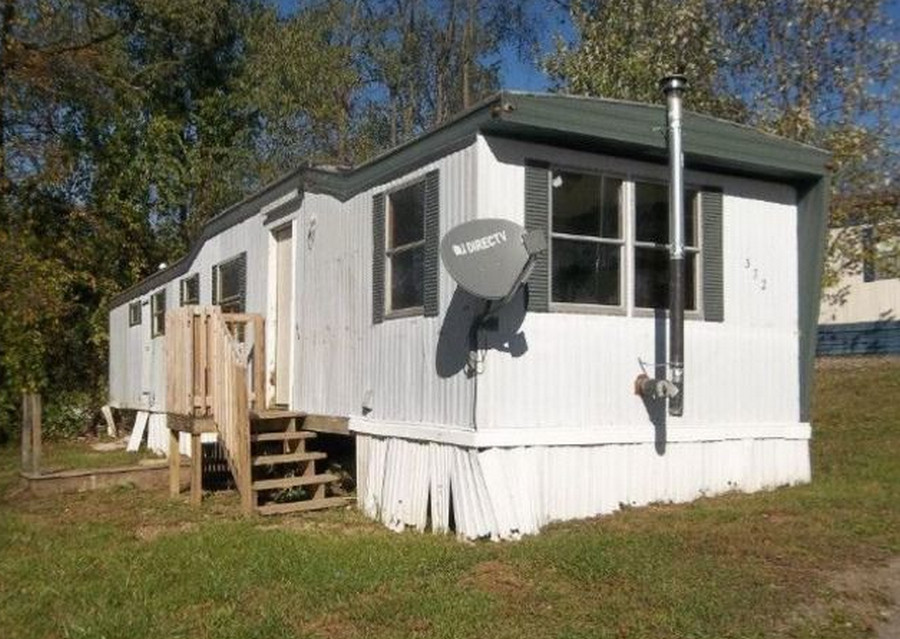
A fixer-upper mobile home needs repairs before full-time use or resale. These homes often show aging roofs, worn flooring, outdated kitchens, or plumbing issues. In Florida, many fixer-uppers sit inside parks developed before 1990. Sellers price these homes lower to reflect repair needs and cosmetic wear. Buyers gain flexibility with upgrades, yet responsibility increases after purchase. This tradeoff shapes buyer expectations from the start.
Pros and Cons of Fixer-Upper Mobile Homes for Budget Buyers
Lower Purchase Prices Reduce Entry Barriers
Fixer-upper mobile homes sell at much lower prices than renovated units. In Florida, buyers often find these homes priced between $5,000 and $25,000. Comparable move-in-ready units may sell for $60,000 or more. This price gap allows buyers to enter communities with less cash. At the same time, buyers avoid large loan balances and long-term debt. That structure appeals to cash-focused shoppers and fixed-income buyers.
Repairs Allow Spending Control
Repair costs stay manageable when buyers plan carefully. Flooring replacement often ranges from $2,000 to $4,500 in Florida. Roof sealing or coating may cost $1,500 to $3,000. Electrical updates often fall between $1,200 and $2,500. Buyers spread projects over time, which reduces financial strain. This approach works well for owners comfortable managing contractors or light repairs.
Pros and Cons of Fixer-Upper Mobile Homes for Investors
Resale Opportunities After Renovation
Investors often target fixer-upper mobile homes for resale profit. In Florida parks, renovated homes may sell for $45,000 to $85,000. Combined purchase and repair costs often total $20,000 to $35,000. This margin attracts investors focused on short-term projects. At the same time, delays increase holding expenses like lot rent and utilities. Efficient planning supports stronger returns.
Rental Income Potential
Some investors rent renovated mobile homes instead of selling. Florida lot rents often range from $500 to $900 per month. After repairs, rental income may reach $1,200 to $1,600 monthly. This model supports a steady income when park rules allow rentals. Buyers must confirm rental policies before purchasing. Approval requirements vary by park and management.
Hidden Costs Buyers Often Overlook
Fixer-upper mobile homes involve expenses beyond visible repairs. Buyers may face permit and inspection fees during renovations. In Florida, permit costs often range from $150 to $600. Utility upgrades may add further expense. Insurance premiums for older homes often run higher. These costs affect total investment and should be factored into budgets early.
Financing Limitations With Older Mobile Homes
Financing options remain limited for fixer-upper mobile homes. Many lenders avoid homes built before 1976. Cash purchases dominate this segment across Florida. Personal loans sometimes apply, yet interest rates often exceed 10%. Buyers benefit from faster closings with cash deals. Financing limits reduce competition in this market.
Park Rules Affect Renovation and Ownership
Mobile home parks enforce rules that shape renovation plans. Some parks restrict exterior changes or color choices. Others limit home age or future resale conditions. Florida parks often require buyer approval before transfer. These rules influence long-term ownership plans. Reviewing park policies before purchase prevents setbacks.
Pros and Cons of Fixer-Upper Mobile Homes for Long-Term Living
Customization Supports Personal Comfort
Fixer-upper mobile homes allow owners to shape layouts and finishes. Buyers choose flooring, cabinetry, and fixtures that match personal taste. This flexibility supports comfort and long-term satisfaction. Many owners enjoy completing upgrades in stages. That pace aligns well with steady budgets.
Ongoing Maintenance Requires Commitment
Older mobile homes require consistent maintenance. Plumbing leaks, subfloor issues, and moisture damage may return over time. Florida’s humidity increases wear on materials. Annual maintenance often ranges from $1,000 to $2,500. Planning for upkeep reduces stress and unexpected costs.
Resale Value Factors in Florida Parks
Resale value depends on park location, condition, and rules. Renovated homes in 55+ parks often sell faster. All-age parks show wider pricing ranges. Homes near coastal areas often command higher values. Clear titles and documented upgrades support smoother transactions. Market conditions vary by county.
When Fixer-Upper Mobile Homes Make Sense
Fixer-upper mobile homes suit buyers with clear goals.
- Cash buyers seeking low entry prices
- Investors planning resale or rental income
- Buyers are comfortable managing repairs
- Owners wanting design control
This alignment improves outcomes and satisfaction.
When Buyers Should Avoid Fixer-Uppers
Some buyers face a higher risk with fixer-upper mobile homes.
- Buyers needing immediate move-in readiness
- Buyers relying on traditional mortgages
- Buyers unfamiliar with park approval rules
- Buyers lacking repair reserves
Honest assessment prevents financial strain.
Frequently Asked Questions About Fixer-Upper Mobile Homes
Are fixer-upper mobile homes common in Florida?
Yes, many Florida parks include older homes needing repairs.
What is the average price for fixer-upper mobile homes in Florida?
Most sell between $5,000 and $25,000.
Can buyers finance fixer-upper mobile homes?
Most purchases require cash or personal loans.
Do parks allow renovations?
Many parks allow updates with management approval.
How long do renovations usually take?
Most projects finish within one to three months.
Are fixer-upper mobile homes suitable for rentals?
Yes, rental income works well when park rules allow it.
Which repairs cost the most?
Roofs, subfloors, and HVAC systems cost the most.
Can older mobile homes get insurance coverage?
Yes, though premiums may run higher.
Do fixer-upper homes improve resale value after repairs?
Quality renovations often increase resale prices.
Does The Mobile Home Dealer assist with fixer-upper purchases?
Yes, guidance and inventory support buyers across Florida.
Final Thoughts
The Pros and Cons of Fixer-Upper Mobile Homes require realistic budgeting and clear expectations. Lower prices attract buyers across Florida markets. At the same time, repairs, park rules, and financing limits affect results. With planning, fixer-upper mobile homes support affordable housing and investment goals. The Mobile Home Dealer helps buyers evaluate options using real Florida market data.