
Pros and cons of living in a 55+ community in Florida often become the deciding factor for many retirees. Florida attracts seniors seeking warm weather, simplified living, and active social environments. Yet every housing choice includes advantages and tradeoffs that buyers should review carefully.
Age-restricted communities focus on residents aged 55 and older. These communities aim to provide quieter surroundings and shared lifestyle interests. Many buyers appreciate predictable routines and organized amenities.
Still, expectations vary from one community to another. Some residents seek social interaction daily. Others prefer privacy and quiet evenings. Knowing both benefits and limitations helps buyers make confident housing decisions.
Careful research helps seniors match their lifestyle goals with the right community environment.
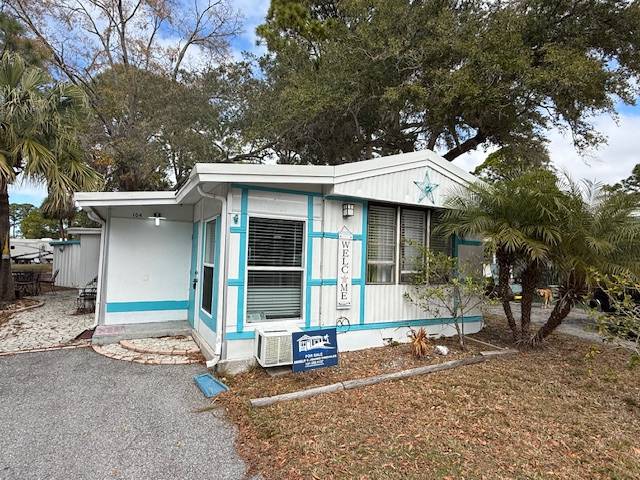
A mobile home in a 55+ community in Florida
Why Florida Remains Popular for 55+ Living
Florida continues attracting retirees from across the country. Warm temperatures allow outdoor activities year-round. Many seniors appreciate avoiding harsh winters and seasonal maintenance challenges.
Mobile home communities offer affordability compared with traditional housing options. Lower purchase prices often allow retirees to stretch retirement savings further.
Many communities sit near shopping centers, medical facilities, and recreational areas. Convenient locations reduce daily travel stress for residents.
Common reasons seniors move to Florida include:
- Year-round outdoor weather
- Active retirement lifestyles
- Lower housing entry costs
- Access to healthcare and services
These factors make Florida a strong choice for retirement living.
Pros and Cons of Living in a 55+ Community in Florida: The Lifestyle Benefits
One major advantage involves lifestyle consistency. Residents share similar schedules and daily routines. Quiet mornings and calmer evenings often become the norm.
Many communities provide organized social activities. Residents choose participation based on personal preference. Social events help reduce loneliness and encourage friendships.
Maintenance responsibilities often remain limited. Landscaping and shared areas usually receive professional management. Reduced upkeep gives residents more free time.
Lifestyle benefits often include:
- Reduced neighborhood noise levels
- Social clubs and hobby groups
- Shared amenities like pools or clubhouses
- Neighbors within similar life stages
These features create a structured environment that many seniors enjoy.
Financial Advantages Seniors Often Experience
Housing affordability remains a strong benefit for many retirees. Mobile homes within 55+ communities often cost less than site-built houses.
Predictable monthly expenses help retirees manage fixed incomes. Many communities include maintenance services within monthly fees.
Lower property upkeep costs reduce unexpected repair expenses. Some residents appreciate simplified budgeting after downsizing.
Financial advantages may include reduced insurance costs and smaller utility expenses. Smaller homes often require less energy to maintain comfortable temperatures.
Buyers often find that financial stability improves after moving into these communities.
Social Opportunities and Community Connection
Social interaction plays a large role in retirement satisfaction. Many residents enjoy meeting neighbors with shared interests. Regular activities encourage connection without pressure.
Events often include fitness classes, craft groups, card games, and seasonal celebrations. Participation remains optional, allowing residents to control their schedule.
Neighbors often watch out for one another. That sense of familiarity creates comfort and security. Many seniors report feeling less isolated compared with traditional neighborhoods.
Community living encourages routine interaction. Friendly conversations during walks or gatherings often become part of daily life.
These social benefits often influence buyers reviewing the pros and cons of living in a 55+ community in Florida.
Pros and Cons of Living in a 55+ Community in Florida: Possible Drawbacks
Every housing option includes limitations that buyers should consider. Community rules often regulate property appearance, guests, and parking. Some buyers may find these guidelines restrictive.
Age restrictions limit permanent residency for younger family members. Long-term visits may require approval from management.
Activity levels vary widely between communities. Highly social environments may feel busy for residents seeking total quiet.
Common concerns include:
- Monthly lot rent or association fees
- Community rules affecting personal preferences
- Limited housing styles within certain parks
- Seasonal population increases during the winter months
Reviewing rules carefully helps buyers avoid future frustration.
Maintenance Simplicity and Daily Convenience
Many seniors appreciate reduced maintenance responsibilities. Community management typically handles shared spaces and landscaping. Residents spend less time on yard work and repairs.
Smaller homes often simplify cleaning and upkeep. Downsizing allows residents to focus on hobbies and travel.
Convenience extends beyond maintenance. Many communities organize services or group activities on-site. Residents enjoy access to amenities without leaving the neighborhood.
Daily life often becomes easier and more predictable. That simplicity appeals strongly to retirees seeking less physical strain.
How Community Rules Affect Everyday Living
Rules help maintain consistency across the neighborhood. Standards often address noise levels, exterior appearance, and shared facility use. These guidelines aim to protect property values and maintain order.
Some residents appreciate clear expectations. Others prefer fewer restrictions. Buyers should review community policies carefully before purchasing.
Questions to ask during visits include guest policies, pet rules, and renovation limitations. Written guidelines provide clarity about daily living expectations.
Talking with current residents offers a helpful perspective about rule enforcement and community culture.
Choosing the Right Community for Your Lifestyle
Not every 55+ community feels the same. Some focus heavily on social events and group activities. Others prioritize privacy and quiet living.
Buyers benefit from visiting communities at different times of day. Observing traffic levels and activity patterns provides useful information.
Helpful evaluation steps include:
- Visit during weekdays and weekends
- Speak with current residents about daily routines
- Review fee structures and included services
- Observe overall maintenance standards
Taking time during research often leads to better long-term satisfaction.
Many buyers researching the pros and cons of living in a 55+ community in Florida discover that community culture matters most.
Long-Term Living Considerations for Seniors
Long-term comfort depends on lifestyle compatibility. Buyers planning extended residency should evaluate healthcare access nearby. Transportation convenience may become more important over time.
Community stability plays a role in long-term satisfaction. Well-managed communities often maintain consistent standards year after year.
Financial planning remains another key factor. Buyers should review fee increases and long-term affordability. Predictable expenses help retirees maintain peace of mind.
A thoughtful decision today often supports comfortable living for many years.
Frequently Asked Questions
Are 55+ communities only for retirees?
Most residents are retirees, though employment status usually does not matter.
Can younger family members live in the home permanently?
Usually one resident must meet the age requirement, depending on community rules.
Do residents own the land?
Many mobile home communities operate on leased land arrangements.
Are pets allowed in 55+ communities?
Many communities allow pets, though size and breed rules may apply.
Are social activities required?
No, participation remains optional for all residents.
Do fees increase over time?
Some communities adjust fees periodically based on operating costs.
Are these communities quieter than regular neighborhoods?
Many residents report lower noise levels and calmer surroundings.
Can homes be rented out?
Rental policies vary widely between communities.
Is maintenance included in monthly fees?
Shared area maintenance often remains included, though details vary.
Are medical services located nearby?
Many Florida communities sit close to hospitals and healthcare providers.
Making the Right Retirement Housing Choice
Reviewing the pros and cons of living in a 55+ community in Florida helps buyers set realistic expectations. These communities offer social connection, simpler maintenance, and predictable living environments. At the same time, rules and fees require careful consideration.
Florida continues to attract seniors seeking comfortable retirement living. Buyers who compare communities carefully often find environments that match their lifestyle preferences. With thoughtful planning, many seniors enjoy stable, relaxed living within Florida’s 55+ mobile home communities.