
Florida continues to attract new residents seeking warm weather, vibrant coastal living, and friendly communities. Mobile homes have become a popular housing choice across the state because they offer affordability, convenience, and flexibility compared to traditional site-built homes. However, many people struggle with deciding between renting vs. buying a mobile home. Each option has benefits and drawbacks, and the right choice depends on your lifestyle, budget, and long-term goals.
Understanding the differences can help you choose the living situation that best supports your needs while enjoying the unique lifestyle that Florida offers.
Understanding the Mobile Home Market in Florida
Florida has a wide range of mobile home communities, including family-friendly neighborhoods, retirement-focused 55+ communities, and private, resort-style parks with extensive amenities. The price of a mobile home varies depending on age, condition, and location. Coastal areas, desirable school districts, and communities with high-end amenities usually come with higher overall costs.
However, in many cases, mobile homes are significantly more affordable than single-family houses or condos. This affordability plays a major role in why many individuals explore renting vs. buying a mobile home in Florida.
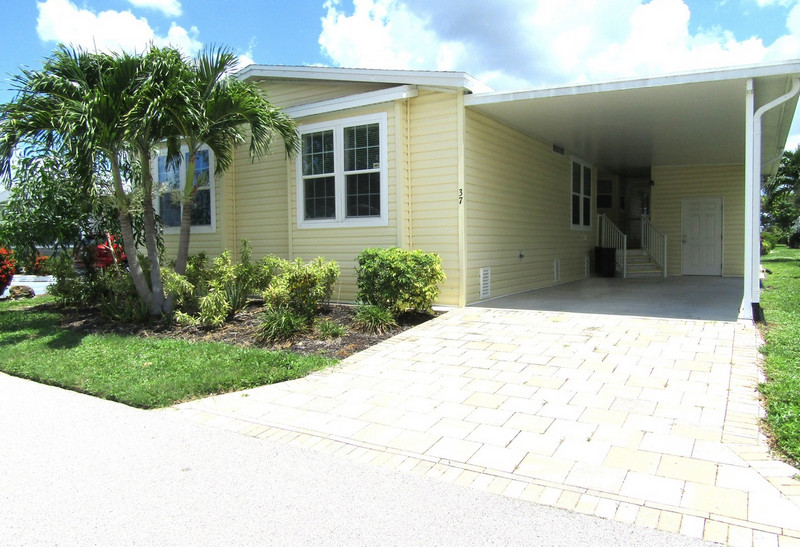
Pros and Cons of Renting a Mobile Home
Renting a mobile home appeals to those who value flexibility and lower upfront costs. But like any housing decision, renting has advantages and disadvantages.
Benefits of renting include:
- Lower initial costs since renters usually only pay a security deposit and first month’s rent.
- Flexibility to move if lifestyle or work needs change.
- Fewer repair and maintenance responsibilities, since landlords often handle major issues.
- Access to amenities such as pools, fitness centers, and community activities without additional fees.
However, renting also comes with limitations:
- No ability to build equity because monthly payments go toward rent rather than ownership.
- Limited control over home updates or improvements.
- Possible rent increases when leases renew, affecting long-term affordability.
- Less long-term stability, especially if the property owner decides to sell.
For those who prioritize flexibility and low commitment, renting can be a strong option. For others, these limitations may feel restrictive.
Pros and Cons of Buying a Mobile Home
Buying appeals to individuals who want stability and long-term investment potential. When comparing renting vs. buying a mobile home, ownership offers several benefits.
Advantages of buying include:
- Building equity as mortgage payments reduce the loan balance.
- Freedom to renovate, personalize, or upgrade the home.
- Stable housing costs with fixed-rate financing.
- Potential tax advantages for homeowners who qualify.
However, ownership comes with responsibilities:
- Higher upfront costs including down payment, closing fees, and setup costs if moving a home.
- Maintenance and repair responsibilities fall entirely on the homeowner.
- Risk of depreciation depending on home condition and market conditions.
- Financing challenges if the home is older or located in a land-lease community.
Buying can be extremely rewarding for individuals prepared for the financial and maintenance commitments, especially those planning to stay long term.
Key Factors to Consider When Making Your Decision
Your personal situation will guide whether renting or buying makes more sense. To make an informed decision, consider the following areas:
- Financial readiness and whether you can afford a down payment and ongoing maintenance.
- Long-term lifestyle plans, especially whether you expect to stay in Florida for several years.
- Desire for customization versus preference for low-maintenance living.
- Local housing market conditions and whether prices are trending up or down.
- Community amenities and how much value you place on activities and social engagement.
If you plan to remain in the same area and are interested in customizing your home, purchasing may be the better option. If you anticipate life changes or want flexibility, renting may suit your needs better.
Frequently Asked Questions
Is it cheaper to rent or buy a mobile home?
Renting has lower upfront costs, while buying may be more cost-effective over the long term due to equity building.
Do mobile homes in Florida hold their value?
Value depends on age, condition, and location. Homes on owned land tend to retain value better.
Can I buy a mobile home and rent the land?
Yes. This is common in land-lease communities but requires monthly lot rent payments.
Are there financing options for mobile homes?
Yes. Options include chattel loans, personal loans, and mortgages depending on land ownership.
Do 55+ communities allow renting?
Some do, but others may restrict rentals. Always check community policies.
Do renters have access to community amenities?
In most communities, renters enjoy the same amenities as homeowners.
Is insurance required for mobile homes?
Insurance is strongly recommended and often required by lenders.
What maintenance responsibilities come with buying?
Homeowners are responsible for repairs, structural upkeep, and general maintenance.
Can I make upgrades if I rent?
Landlords may restrict modifications, so approval is usually required.
How long does it take to buy a mobile home?
The process can take anywhere from a few days to several weeks depending on financing and availability.
Final Thoughts
Choosing between renting vs. buying a mobile home in Florida depends on your financial goals, lifestyle priorities, and long-term plans. Renting offers low commitment and flexibility, while buying provides stability and the ability to build equity. Both options can support an enjoyable lifestyle in Florida’s warm and welcoming communities. By evaluating your needs and carefully researching communities, you can make the decision that leads to a comfortable and fulfilling living experience in the Sunshine State.