
The housing market moves in cycles, alternating between periods of growth and decline. Each downturn, often sparked by a major economic event, can reshape how people view housing investments. From the Great Recession of 2008 to the brief but intense 2020 downturn, each cycle has taught homebuyers valuable lessons about resilience and affordability.
Interestingly, even as traditional housing markets fluctuate, demand for affordable housing such as manufactured homes continues to remain strong. Buyers seeking cost-effective solutions often find that these homes offer long-term value, especially when budgets tighten.
Economic Trends and Housing Shifts
During a housing recession, prices for traditional site-built homes tend to stabilize or decline. In contrast, manufactured homes become more appealing because they require a lower initial investment and smaller monthly payments. This affordability attracts first-time buyers, retirees, and families who want financial flexibility without sacrificing comfort.
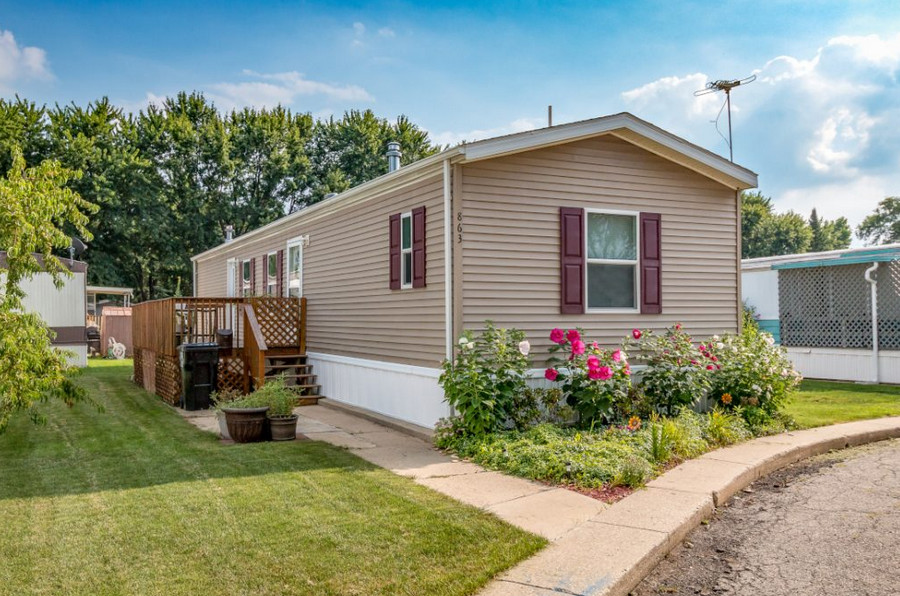
Experts note that while the broader housing market may slow, the demand for manufactured homes typically rises. Many people ask: Do Manufactured Homes Benefit From A Housing Recession? The short answer—yes, they often do. Lower construction costs, stable operating expenses, and consistent demand make them an attractive option during economic downturns.
Why Manufactured Homes Stay Strong When the Market Weakens
1. Consistent Economic Performance
Research shows that mobile home parks and communities perform steadily regardless of wider market conditions. According to Green Street Advisors, operating income for mobile home parks increased by nearly 87% since 2004 and remained stable even through the 2008 financial crisis.
Living in a manufactured home provides a more cost-effective alternative to renting an apartment or buying a traditional house. When housing costs rise or jobs become uncertain, the need for affordable housing grows—keeping demand for manufactured homes strong.
Source: Washington Post – A Billion-Dollar Empire Made of Mobile Homes
2. Strong Demand for Affordable Housing
The affordability crisis in the U.S. housing market has been building for years. Manufactured homes directly address this challenge by offering a cost that is often less than half that of a site-built home.
- Lower construction and material costs
- Faster build times and move-in readiness
- Energy-efficient designs that reduce long-term costs
These advantages become especially important when recessions force families to rethink their budgets. Because manufactured homes meet both immediate and long-term housing needs, they naturally attract more buyers during tough times.
Long-Term Stability of Manufactured Home Residents
3. High Resident Retention
Another strength of manufactured home communities is resident stability. Many owners remain in their homes for decades. Moving a manufactured home is costly, so residents often choose to stay put.
Additionally, around one-third of mobile home park residents are retirees living on fixed incomes, such as pensions or Social Security. These steady income sources mean they’re less likely to move, which helps maintain consistent occupancy and revenue for park operators.
This phenomenon, often called “sticky residency,” creates a stable environment for both residents and investors—even when the broader economy faces uncertainty.
Operational and Investment Benefits
4. High Operating Margins
Mobile home parks typically operate with expense ratios between 30% and 40%, which leaves more room for profit, even in a downturn. As rental rates increase to offset inflation, debt values effectively shrink while asset values grow. This structure gives investors more flexibility and resilience during recessions.
5. Attractive Return on Investment
Because mobile home parks are often undervalued and fragmented as an asset class, they can be purchased with higher capitalization rates than other property types. A higher cap rate usually translates into better long-term returns.
Even with market stigma, the consistent income and stability of these communities make them a compelling choice for investors who want protection from market volatility.
Conclusion
Why Manufactured Homes Thrive During Downturns
In summary, there are several reasons manufactured homes can perform well during economic slowdowns. From stable operations and high resident retention to strong demand for affordable living, the advantages are clear.
When considering whether to invest or buy, ask again—Do Manufactured Homes Benefit From A Housing Recession? Evidence strongly suggests they do. As traditional housing faces tightening conditions, manufactured homes provide steady value, accessible pricing, and consistent returns.
In a market defined by uncertainty, this housing option stands out for its reliability, affordability, and long-term potential.