
Selling a mobile home in Florida often involves balancing repair needs, time constraints, and market conditions. Many homeowners choose to sell your mobile home as-is to simplify the process and avoid costly repairs. Because Florida homes experience wear from humidity, storms, and age, the as-is route can be appealing for sellers who want a fast and straightforward transaction. Understanding the advantages and considerations helps homeowners approach the sale confidently.
What Selling As-Is Really Means for Florida Mobile Homeowners
Selling as-is means the property is offered exactly in its current condition, with no repairs or improvements completed before the sale. Buyers understand that any existing issues—whether structural, cosmetic, or mechanical—become their responsibility after the purchase. While buyers may still request inspections, these typically do not obligate the seller to fix anything. Transparency is still required, so Florida sellers must disclose known defects to prevent future legal concerns.
This approach is often chosen by sellers who lack the time, budget, or desire to renovate. Because Florida’s climate can accelerate wear and tear, many older mobile homes require repairs that sellers would rather avoid. Selling your mobile home as-is provides a faster, more direct path to closing while attracting buyers who specialize in fixer-uppers.
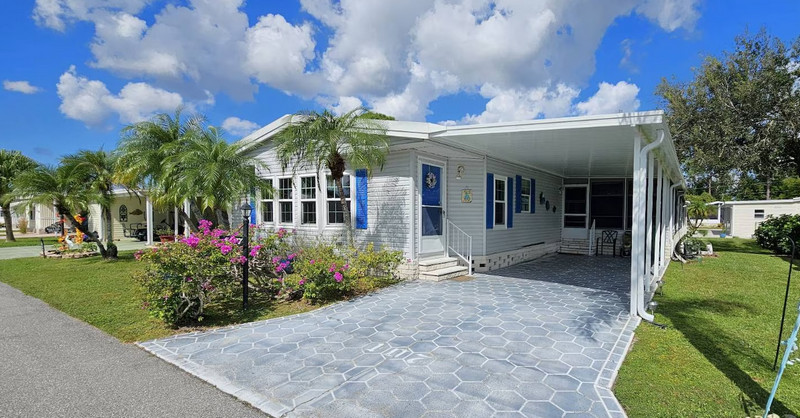
Benefits of Selling Your Mobile Home As-Is
Homeowners frequently find that selling as-is offers appealing advantages. These benefits can make the decision easier for those wanting a quicker resolution or hoping to avoid repair-related stress.
- Saves time and money by avoiding costly repairs
- Appeals to investors, DIY buyers, and bargain seekers
- Shortens the selling timeline dramatically
- Reduces stress by eliminating renovation management
Many Florida buyers, including investors and remodelers, are actively looking for mobile homes that need work. Because they anticipate repairs, these buyers often act quickly, making as-is sales particularly attractive for motivated sellers.
Potential Downsides of Selling As-Is
While selling as-is is convenient, homeowners should also understand the drawbacks. As-is sales sometimes attract fewer traditional buyers, and the final sale price may be lower than a fully renovated home.
- Lower sale price due to condition and buyer expectations
- Reduced buyer pool for homes needing major repairs
- Missed opportunity to increase value through inexpensive upgrades
- Disclosure requirements still apply under Florida law
For some sellers, small improvements like fresh paint or updated fixtures could boost value with minimal effort. However, others prefer to avoid any investment and proceed with an as-is listing, trading a potentially higher price for a faster and easier process.
Common Issues Found in Florida Fixer-Upper Mobile Homes
Older mobile homes in Florida often face predictable repair needs due to humidity, storms, and age. Understanding these common issues helps sellers determine whether selling as-is is the most practical option.
- Water damage caused by roof leaks or poor ventilation
- Outdated electrical or plumbing systems, especially in older models
- Interior wear, including flooring, cabinets, and wall panels
- Exterior damage to siding, roofing, or skirting from weather exposure
Because these repairs can be costly and time-consuming, many sellers prefer to list the home as-is rather than invest in fixing multiple issues. Buyers seeking a project often expect to repair these common problems themselves.
How Market Conditions Affect As-Is Sales in Florida
Florida’s mobile home market frequently benefits sellers choosing to sell as-is, especially when demand is high. Investor interest, location trends, and regional housing needs all influence how quickly an as-is property sells.
- High investor demand increases interest in fixer-uppers
- Price differences between move-in-ready homes and fixer-uppers attract budget buyers
- Location influences buyer expectations and potential value
- Seasonal demand can speed up offers during busy periods
In areas popular with families, younger buyers may be more open to renovations. In contrast, retirement-focused locations often favor homes that are already move-in ready. Understanding these market conditions helps sellers set realistic expectations.
Preparing for an As-Is Mobile Home Sale
Even when selling a mobile home as-is, certain preparations can help sellers attract more buyers and streamline the process. These steps require minimal investment yet make the home more appealing.
- Schedule a pre-sale inspection to understand the home’s condition
- Set a competitive price based on local comparable sales
- Highlight positive features such as location or lot benefits
- Disclose all known issues clearly and honestly
These preparations build trust and help buyers feel confident moving forward, especially when the home needs work. A transparent, well-priced listing can sell quickly—even without repairs.
FAQ: Selling a Mobile Home As-Is in Florida
Do I need to fix anything before selling as-is?
No, repairs are not required when selling as-is.
Can buyers still request inspections?
Yes, but inspection results do not obligate you to make repairs.
Will selling as-is reduce my home’s value?
Often, yes, but the faster sale may offset the reduced price.
Is disclosure still required?
Yes, Florida law requires disclosure of known defects.
Do investors buy as-is mobile homes?
Yes, many investors actively look for as-is opportunities.
Can selling as-is speed up the sale?
Yes, because no renovation delays occur.
Should I clean the home before listing?
A basic cleaning improves buyer perception and is recommended.
Can I still negotiate price?
Absolutely—buyers often expect negotiation in as-is sales.
Does location affect as-is demand?
Yes, high-demand areas attract more buyers even for fixer-uppers.
Is selling as-is a good option for older homes?
Yes, especially when repairs are extensive or costly.
Final Thoughts
Selling a mobile home as-is in Florida can be an efficient and stress-free way to complete a sale without investing in repairs. While sellers may accept a lower price, the convenience, speed, and reduced financial burden often outweigh the drawbacks. By understanding market conditions, disclosing issues clearly, and presenting the property honestly, homeowners can attract serious buyers—including investors—who are ready to take on a fixer-upper. With the right preparation and realistic expectations, selling your mobile home as-is can be a practical and successful choice for many Florida sellers.
See Also:
- Choosing Between 55+ and Family-Friendly Mobile Home Parks in Florida
- Top 10 Mobile Home Repairs You Should Know About in Florida
- The Best Upgrades for Older Mobile Homes in Florida
- Mobile Home Renovation Trends in Florida: What’s In and What’s Out
- Mobile Home Insurance for Hurricanes: What Florida Residents Need to Know