
Understanding Mobile Home Safety and Stability
Mobile homes, also known as manufactured homes, offer an affordable and flexible housing option for millions of people. However, one common question many prospective and current owners ask is: **can a mobile home fall over**? The term “mobile” sometimes creates the impression that these homes are fragile or easily moved by wind or storms. In reality, modern manufactured homes are designed to be secure and stable, especially when properly installed and maintained.
Still, like any structure, external forces and improper setup can impact stability. To understand how and why stability matters, it’s important to look at how manufactured homes are anchored, what risks exist in severe weather, and what owners can do to keep their homes safe.
Anchoring and Tie-Down Systems: The First Line of Protection
The most important factor that determines whether **a mobile home can fall over** is the anchoring system used. Manufactured homes are not simply placed on the ground. Instead, they are secured to a support system using tie-downs and anchors. These materials connect the steel frame of the home to the foundation.
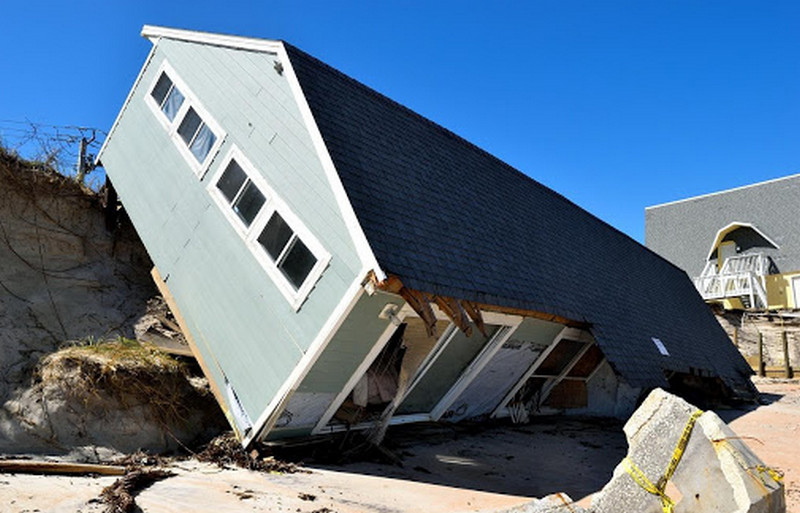
There are different types of tie-down systems, including:
- Over-the-top straps that wrap over the roof and connect to anchor points.
- Frame anchors that secure the steel frame directly to grounding rods or concrete.
- Stabilizing piers that support the home from beneath and help maintain level balance.
Building codes specify how many anchor points and supports a home must have, depending on its size and the region. For example, homes in hurricane-prone areas require more reinforcement than homes in areas with mild weather.
When installed correctly, these systems help resist wind uplift, shaking, and shifting. However, if the anchoring is weak, missing, or damaged, the home becomes more vulnerable.
High Winds, Improper Installation, and Other Risk Factors
Strong winds are one of the most common contributors to stability issues. When properly anchored, manufactured homes can withstand significant wind loads. However, severe storms—especially hurricanes or tornadoes—can generate forces much greater than average building standards account for.
Improper installation is another major factor that affects stability. If the foundation or piers are not level, the structure can shift over time. A shifting or settling foundation reduces the tie-downs’ effectiveness, making the home more susceptible to movement or tipping during storms.
To minimize these risks, homeowners should:
- Ensure the installation is completed by a licensed professional.
- Request documentation verifying that installation meets local wind and building codes.
- Have the anchoring system inspected regularly.
These steps significantly reduce the chance that a mobile home can fall over in high winds.
Age, Wear, and Structural Deterioration
Time and weather exposure impact every housing structure, including manufactured homes. Older homes may have outdated anchoring systems or weaker framing materials. Rusted tie-downs, cracked concrete piers, or rotting subfloor or framing members can all reduce stability.
Signs that a home may require maintenance include:
- Uneven floors
- Doors that no longer close properly
- Visible corrosion around frame components
- Moisture damage underneath the home
Routine maintenance and early repairs are key to preserving long-term stability.
Extreme Weather: Tornadoes, Hurricanes, Flooding, and Snow
Even well-installed manufactured homes have limits when exposed to extreme forces. For example, tornadoes can overturn virtually any structure, including traditional site-built homes. In these situations, the concern is not **can a mobile home fall over**, but rather how to stay safe during extreme weather conditions.
Other forms of severe weather can also threaten stability:
- Hurricanes generate strong winds and flying debris.
- Flooding can wash out the foundation or undermine the soil underneath.
- Heavy snow loads can strain the roof structure if not cleared.
This is why having an emergency safety plan is important, especially in areas prone to storms.
Staying Safe: Inspections, Maintenance, and Preparedness
To minimize risk and enhance peace of mind, homeowners should take the following steps:
- Schedule Annual Inspections: A professional can evaluate tie-downs, piers, and supports.
- Perform Maintenance: Replace worn parts, re-level the home, and repair moisture damage promptly.
- Prepare for Severe Weather: Install storm shutters, secure loose outdoor items, and identify safe evacuation locations.
With proactive care, manufactured homes remain safe and reliable homes for decades.
Frequently Asked Questions
1. Can a mobile home fall over in strong wind?
Yes, but mainly if it is improperly anchored or in extreme weather such as a tornado.
2. How do tie-downs help prevent tipping?
Tie-downs secure the frame to the foundation, preventing lift or shift from wind pressure.
3. How often should anchoring systems be inspected?
At least once a year, or after any major storm.
4. Can older mobile homes be re-anchored?
Yes. Upgrades and reinforcement kits are available and often recommended.
5. Does being in a mobile home park affect stability?
Not directly, but parks often require compliance with enhanced safety standards.
6. Can re-leveling the home improve safety?
Yes, because uneven settling weakens structural support.
7. Are modern manufactured homes safer than older ones?
Yes. Homes built after 1976 follow HUD safety and wind-resistance standards.
8. Can I install tie-downs myself?
It’s possible, but professional installation is recommended for safety and code compliance.
9. What should I do during hurricane warnings?
Follow evacuation recommendations and never shelter in a mobile home during a hurricane.
10. Do insurance companies require anchoring inspections?
Many do, especially in high-wind regions.
Final Thoughts
So, **can a mobile home fall over**? It can—but mainly when installation is improper, maintenance is neglected, or extreme weather occurs. Modern manufactured homes are built to high safety standards, and when they are anchored correctly, maintained routinely, and reinforced when needed, they are stable and dependable dwelling spaces.
Understanding your home’s anchoring system, staying proactive with inspections, and preparing for severe weather are key to living confidently and safely in a mobile home. With proper care and awareness, your mobile home can remain secure, comfortable, and resilient for years to come.
See Also:
- Bill of Sale for Mobile Home and Florida Title Transfer
- Best Paint for Mobile Home Exteriors in Florida
- Best Mobile Home Insurance for Your Florida Home
- Best Foundation for Your Manufactured Home: A Secure Base for Years to Come
- Best Flooring for Manufactured Homes: Finding the Perfect Fit for Your Dwelling