
Moving a mobile home can feel overwhelming, especially when you start looking at the potential costs. Between permits, labor, and transportation, it can quickly add up. However, finding the cheapest way to move a mobile home isn’t impossible. With the right preparation, careful planning, and some hands-on work, you can make the process significantly more affordable while ensuring your home stays safe during the move.
This guide explores the most cost-effective methods to relocate your mobile home—from reducing expenses to understanding permits and hiring the right professionals.
Understanding the Costs of Moving a Mobile Home
Before learning how to cut costs, it’s essential to understand what drives them. Several factors determine the total cost of moving a mobile home:
- Distance: The farther you move, the higher the cost. Long-distance moves require more fuel, additional permits, and possibly overnight fees for drivers.
- Size and Weight: Larger or heavier homes require more equipment and labor, which increases expenses.
- Permits and Escort Vehicles: Many states require permits or escort vehicles for oversized mobile homes, and these come with additional fees.
- Condition of the Home: Older or damaged homes may need repairs before being safely moved, adding to the overall cost.
Typically, moving a single-wide mobile home can range from $3,000 to $8,000, while a double-wide could cost $10,000 or more. But don’t worry—there are several ways to minimize these expenses and move your home on a budget.
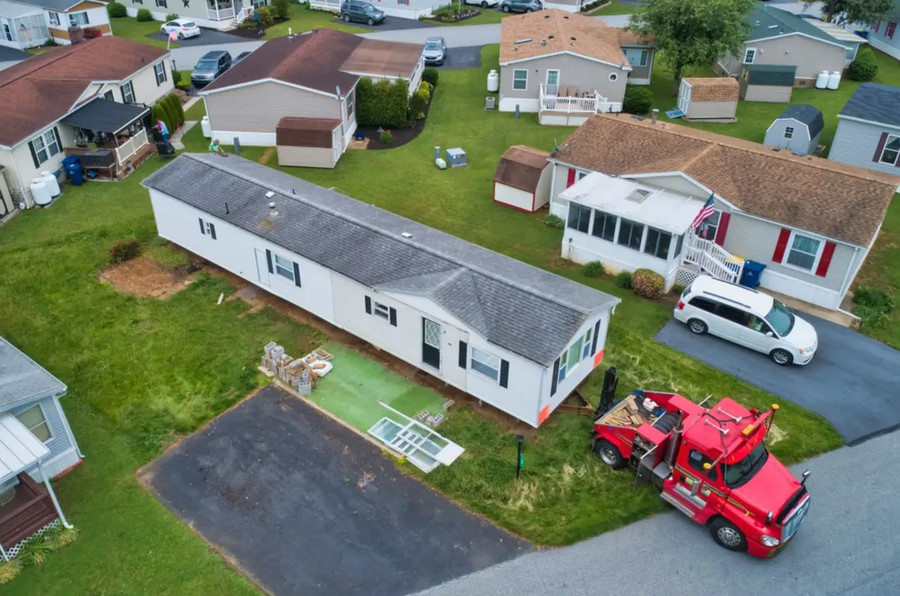
Planning Ahead: The Key to an Affordable Move
The cheapest way to move a mobile home starts with smart planning. By preparing early and taking charge of certain steps yourself, you can save hundreds or even thousands of dollars.
- Get Multiple Quotes: Request estimates from at least three licensed mobile home movers. Be clear about what services you need—transport only or full-service, including preparation and setup. Comparing options helps you find the best deal.
- Handle Prep Work Yourself: You can save on labor by disconnecting utilities, removing skirting, and securing interior items yourself. Just make sure to follow safety precautions or hire professionals for complex disconnections like gas lines.
- Move Short Distances When Possible: If you haven’t purchased land yet, consider relocating to a closer area to reduce transportation and permit fees.
- Schedule During Off-Peak Seasons: Moving during the winter or late fall can result in lower rates since movers tend to have fewer jobs during these times.
Proper planning can make a big difference—not only in cost but also in avoiding last-minute complications.
Preparing Your Mobile Home for the Move
Once your move is scheduled, it’s time to prepare your mobile home for safe and affordable transport. Preparation can help prevent damage and avoid additional costs during the move.
- Lighten the Load: Remove as many items as possible, including furniture, appliances, and decorations. The lighter your home, the easier and cheaper it is to move.
- Inspect the Structure: Make sure the frame, roof, and walls are in good condition. Fixing minor issues before the move can prevent costly damage later.
- Remove Skirting and Accessories: Take off any attached porches, decks, awnings, or skirting. These must be transported separately and can be reattached after the move.
- Secure the Interior: Lock cabinet doors, tie down large items, and seal windows. This prevents shifting or breakage during transport.
Taking time to prepare ensures your home arrives safely at its new destination—without unexpected repair bills.
Saving Money Through DIY and Smart Choices
While certain parts of moving a mobile home must be handled by professionals, there are several tasks you can do yourself to cut costs.
- DIY Utility Disconnection: Turn off and disconnect your home’s water, power, and sewer connections if you’re confident doing so safely.
- Sell Unwanted Items: Use the move as an opportunity to downsize. Selling furniture or equipment you no longer need can help offset moving costs.
- Use Local Movers for Short Distances: Some smaller, local moving companies offer lower rates for nearby relocations. Just ensure they’re licensed and insured.
- Negotiate Rates: Don’t be afraid to ask for discounts or price matches. Many movers will work with you to secure your business.
Even small savings in each area can add up, significantly lowering your total moving cost.
Hidden Costs to Watch Out For
While aiming for the cheapest way to move a mobile home, it’s important to be aware of potential hidden expenses. These often catch homeowners by surprise:
- Permit Fees: You’ll need moving permits in most states, which vary based on location and home size.
- Setup and Installation: Once your home reaches its new location, setup costs (leveling, reattaching skirting, and connecting utilities) can add several hundred dollars.
- Insurance: Moving insurance protects against accidental damage during transport. While it adds to your cost, it’s a worthwhile investment.
- Inspection Fees: Some localities require inspections before and after relocation to ensure safety compliance.
Knowing these potential costs ahead of time helps you plan a more realistic budget.
Frequently Asked Questions
1. What is the cheapest way to move a mobile home?
The cheapest method is to handle prep work yourself, hire a transport-only mover, and move over a short distance.
2. Can I move my mobile home myself?
No. You need a licensed and insured mover to transport a mobile home legally and safely.
3. How much does it cost to move a single-wide mobile home?
It typically costs between $3,000 and $8,000, depending on distance, size, and setup requirements.
4. Do I need permits to move my mobile home?
Yes, most states require moving permits, and you may also need escort vehicles for wide loads.
5. What season is cheapest for moving?
Fall and winter are usually the cheapest times since demand for movers is lower.
6. Can I move a damaged mobile home?
Yes, but it may require repairs before being approved for transport. Movers may refuse unsafe structures.
7. How can I find affordable mobile home movers?
Get quotes from multiple licensed movers, read reviews, and compare pricing and services.
8. What should I do before moving day?
Disconnect utilities, remove skirting, and secure your home’s interior to prevent damage.
9. Can insurance cover my move?
Yes, moving insurance can protect against damage or accidents during transport.
10. How can I save more money on my move?
Move a shorter distance, prepare the home yourself, and plan during off-peak times for lower rates.
Final Thoughts
Finding the cheapest way to move a mobile home is all about planning, preparation, and informed decision-making. By taking charge of the prep work, comparing movers, and understanding potential hidden costs, you can move your mobile home efficiently without overspending.
Remember, while saving money is important, safety should always come first. Work only with licensed movers and ensure your home is properly secured for the journey. With the right approach, you can enjoy a smooth, affordable, and stress-free move to your new location.
Bottom line: Moving a mobile home doesn’t have to break the bank. With strategic planning, DIY efforts, and smart budgeting, you can relocate your mobile home safely and affordably.