
Florida is known for sunshine, beaches, and a relaxed lifestyle, and for many residents, mobile homes provide an affordable and comfortable housing option. Whether located in a coastal community or a scenic inland park, protecting your home from unexpected damage is essential. That’s where mobile home insurance comes in. However, the cost of mobile home insurance in Florida can vary widely. Understanding what influences that cost can help you choose coverage that fits your needs and budget.
Insurance is more than just a requirement—it offers peace of mind. Storms, accidents, or theft can happen at any time. With proper coverage, you can secure your investment and avoid overwhelming financial strain after a damaging event.
Why Mobile Home Insurance Is Essential
Mobile homes, while cost-effective, are still valuable assets. They are also more vulnerable to certain risks like high winds, fire, or water damage compared to traditional site-built homes. Because of this, insurance is not something to overlook. Mobile home insurance generally includes three main types of coverage:
- Dwelling Coverage – Protects the physical structure of the mobile home.
- Personal Property Coverage – Covers belongings inside the home such as clothing, furniture, appliances, and electronics.
- Liability Coverage – Helps cover costs if someone is injured on your property or if you accidentally damage someone else’s property.
These coverage types work together to safeguard both your home and your financial well-being.
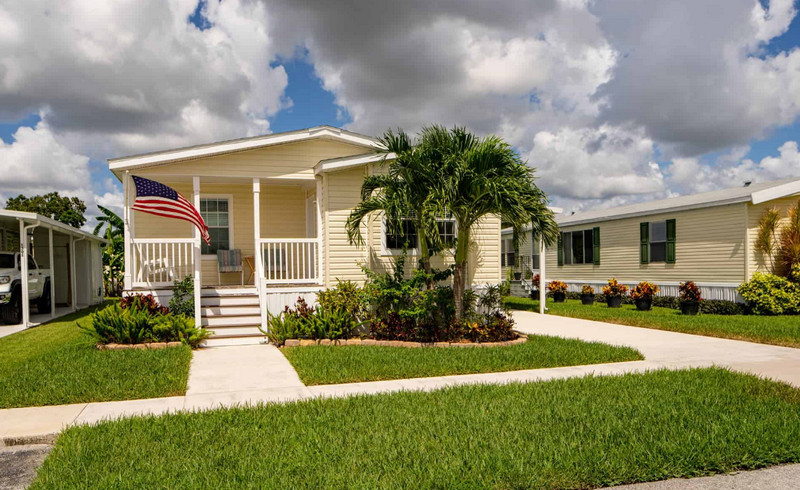
Key Factors That Influence the Cost of Mobile Home Insurance in Florida
The cost of mobile home insurance in Florida is not the same for everyone. Several variables impact how much you will pay:
- Location – Coastal regions face higher hurricane risks, which can increase premiums. Homes located inland may be less expensive to insure.
- Age and Condition of the Home – Newer homes built to modern wind-resistance codes can cost less to insure than older homes.
- Coverage Levels – More extensive coverage comes with higher premiums. Choosing higher dwelling limits or adding extra coverage will increase costs.
- Deductible Amount – A higher deductible generally lowers your premium, but it means paying more out of pocket if you file a claim.
- Claims History – A history of frequent insurance claims can increase your rate.
- Manufacturer and Construction – Some models are constructed with stronger materials, potentially lowering insurance costs.
- Community Safety Features – Mobile home parks with security gates, fire hydrants, or storm shelters may qualify for discounts.
Optional Coverage to Consider
Standard policies may not cover every risk. Because Florida is prone to storms and flooding, reviewing optional add-on coverages is important:
- Flood Insurance – Regular mobile home policies usually do not include flood damage. If you live in a flood-prone zone, separate flood insurance is highly recommended.
- Windstorm Coverage – Some insurers require windstorm coverage to be purchased separately, especially in coastal counties.
- Replacement Cost vs. Actual Cash Value – Replacement cost coverage reimburses you for the cost of replacing damaged items new, while actual cash value accounts for depreciation.
Adding these protections ensures your home is covered for the most common Florida weather events.
How to Lower Mobile Home Insurance Costs
Although insurance is necessary, there are practical ways to reduce your premium:
- Compare Multiple Insurance Quotes – Rates vary from company to company.
- Increase Your Deductible – If you can cover a larger out-of-pocket cost, your monthly insurance bill may drop.
- Bundle Policies – Many insurance companies offer discounts when bundling home and auto insurance.
- Install Safety Features – Smoke detectors, storm shutters, skirting, and tie-down improvements can sometimes qualify for premium reductions.
- Maintain Your Home – A well-maintained home may be considered lower risk.
- Ask About Discounts – Senior, military, claims-free, and autopay discounts are often available.
Taking these steps can meaningfully reduce the cost of mobile home insurance in Florida without sacrificing important coverage.
Frequently Asked Questions
Do I have to have mobile home insurance in Florida?
Insurance is not legally required, but parks, lenders, and personal protection needs often make it necessary.
Does mobile home insurance cover hurricane damage?
It depends on the policy. Some include windstorm damage, while others require a separate endorsement.
Is flood damage covered?
No. Flood insurance must be purchased separately.
How much is the average cost of mobile home insurance in Florida?
Costs vary, but many policies range from $500 to $1,500 per year depending on factors like location and home age.
Can older mobile homes still get insurance?
Yes, but older homes may have higher premiums due to increased risk and condition considerations.
Does insurance cover mold or water leaks?
Damage from sudden leaks may be covered, but mold from long-term neglect is often excluded.
Can I choose my own deductible?
Yes. Higher deductibles reduce premiums, and lower deductibles increase them.
Does my park location affect my insurance rate?
Yes. Parks with security, fire safety features, or inland locations may result in lower premiums.
Can I switch insurance companies if I find a better rate?
Yes. You can compare and change providers anytime, although cancellation fees may apply.
Does insurance cover additions like porches or carports?
Often, they can be included, but you may need to add them specifically to your policy.
Final Thoughts
Understanding the cost of mobile home insurance in Florida is key to protecting both your home and your peace of mind. While premiums vary based on location, home condition, and coverage choices, taking time to compare policies and consider optional coverage ensures you receive the best protection for your investment. By evaluating your needs carefully and exploring discount opportunities, you can enjoy the benefits of mobile home living while staying financially protected in the Sunshine State.