
The idea of moving a mobile home yourself might seem overwhelming at first. However, with preparation, the right tools, and knowledge of legal requirements, it can be a cost-effective and manageable project. This guide explores everything you need to know before taking on the challenge, including key considerations, must-follow steps, and important dos and don’ts for a smooth move.
Understanding the Challenges
Moving a mobile home yourself involves more than just hitching it to a truck. It requires permits, inspections, and proper handling to avoid costly mistakes. Before you begin, take note of the following factors:
- Legal and Permits: Always check your local and state regulations regarding mobile home relocation. Some areas require specific permits or inspections before and after moving.
- Equipment and Tools: Specialized equipment such as a towing vehicle, jacks, and mobile home transporters are essential. If you don’t own these, consider renting or hiring them for safety and efficiency.
- Home Condition: Inspect your home’s frame, structure, and undercarriage. If the home is old or damaged, moving it could cause additional structural issues.
- Utility Disconnection: Schedule disconnection for utilities like electricity and water. Doing this early prevents delays and ensures compliance with safety standards.
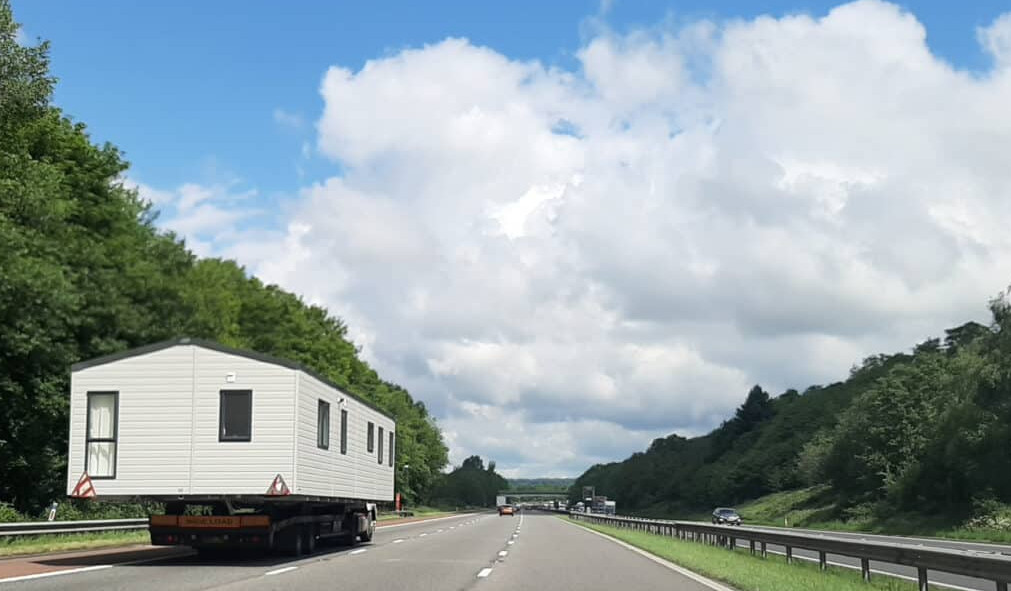
Preparing for the Move
Once you’ve confirmed your mobile home can be moved safely, start preparing the necessary arrangements. Create a timeline that includes inspection, permitting, utility coordination, and transportation.
- Contact your local zoning office for move-related requirements.
- Inform your park manager (if applicable) about your relocation plans.
- Plan your route and check for road restrictions or height limitations.
- Ensure weather conditions are favorable before the moving day.
Transitioning from preparation to execution requires diligence. Every small detail—from the condition of the tires to the availability of a follow vehicle—matters.
The Do’s of Moving a Mobile Home Yourself
If you decide to proceed with moving a mobile home yourself, follow these essential do’s to ensure a safe and legal process.
- Do Your Research: Learn about state and county laws concerning mobile home transportation. Acquire all necessary licenses and permits before the move.
- Do Hire an Inspector: A certified inspector can identify weak spots that might not withstand transportation.
- Do Secure Proper Equipment: Ensure your tow vehicle, hitches, and safety chains are suitable for the mobile home’s weight and size.
- Do Create a Detailed Plan: Outline every step, from dismantling skirting and decks to setting up the home at its new site.
- Do Notify Utility Providers: Schedule disconnection and reconnection dates early to avoid utility downtime.
Safety and Logistics Tips
Transporting a mobile home safely requires teamwork and strict adherence to safety standards. Make sure to:
- Use pilot cars if required by law for oversized loads.
- Inspect tires, lights, and brakes before starting the move.
- Distribute weight evenly to prevent trailer sway or imbalance.
- Drive slowly, especially on turns and rough roads.
These steps will not only keep your property safe but also protect other drivers on the road.
The Don’ts of Moving a Mobile Home Yourself
Avoiding common mistakes can save you time, money, and legal trouble. Here are the don’ts you must keep in mind.
- Don’t Underestimate the Complexity: Moving a mobile home requires skill and coordination. Many owners overestimate their ability to handle the task alone.
- Don’t Skip Professional Inspections: Ignoring a pre-move inspection can lead to costly structural damage.
- Don’t Neglect Safety Gear: Always use gloves, helmets, and safety vests when handling heavy parts or operating machinery.
- Don’t Overlook Permits: Moving without proper documentation can lead to fines or your home being impounded mid-route.
- Don’t Move Alone: Have a team or at least one experienced helper to guide and assist during critical steps.
When to Seek Professional Help
Sometimes, even with preparation, challenges arise. If your mobile home is double-wide, located in a tight park, or requires highway travel, hiring professionals might be the best option. Companies like The Mobile Home Dealer can guide you through compliant and secure relocation options.
Frequently Asked Questions
1. Can I legally move a mobile home myself?
Yes, but it depends on your state’s regulations. You’ll likely need transport permits and inspection certificates.
2. Do I need insurance when moving a mobile home?
Yes. Insurance protects against damage to the structure or accidents during transportation.
3. How much does it cost to move a mobile home yourself?
Costs vary based on distance, size, and permits but usually range between $1,000 and $5,000.
4. Can I move a double-wide mobile home?
It’s possible but requires separating the sections and using two trucks, which adds complexity.
5. How long does it take to move a mobile home?
A short-distance move can take a day, but preparation and reconnection can extend it to several days.
6. What tools do I need for moving?
You’ll need towing hitches, jacks, a level, transporters, and heavy-duty safety chains.
7. Do I need escort vehicles?
Yes, if your mobile home exceeds width or height limits set by your state’s DOT.
8. Can I reuse the skirting and anchors?
In most cases, yes, but inspect them for wear or damage before reinstalling.
9. What happens if I don’t get a moving permit?
You may face fines, penalties, or impoundment of your mobile home during transit.
10. Is hiring a mover better than doing it myself?
If you lack experience or proper equipment, hiring professionals ensures safety and compliance.
Bottom Line
Moving a mobile home yourself is achievable with patience, planning, and attention to detail. Always prioritize safety and compliance over convenience. While the process might appear cost-saving, it’s essential to know when to call in experts like The Mobile Home Dealer for assistance. By understanding the legal, technical, and safety aspects, you can relocate your mobile home efficiently and without unnecessary stress.
See Also:
- A Comprehensive Guide on How to Totally Insulate Your Mobile Home
- Navigating Mobile Home Renovation Costs
- A Comprehensive Guide on Mobile Home Additions in Florida
- 8 Reasons Why Being a Mobile Home Sales Agent in Florida is a Lucrative Side Hustle
- All-Age vs. Age-Restricted Mobile Home Parks in Florida
Thanks for the comment, welcome to the community!