
Flipping mobile homes has become an increasingly popular investment strategy, especially for those looking to enter the real estate market without the high upfront costs associated with traditional houses. Instead of dealing with large mortgages or major renovation budgets, flipping mobile homes allows investors to purchase, improve, and resell manufactured homes at a more manageable scale. This makes it a flexible and realistic option for new investors, retirees seeking additional income, or experienced real estate professionals wanting to expand their portfolio.
Understanding how flipping mobile homes works is essential for maximizing profit and minimizing risks. The goal remains the same as house flipping: buy low, renovate strategically, and sell high. However, the strategies, legal considerations, repair methods, and market dynamics are different. With the right planning, research, and execution, flipping mobile homes can become a steady source of income and financial growth.
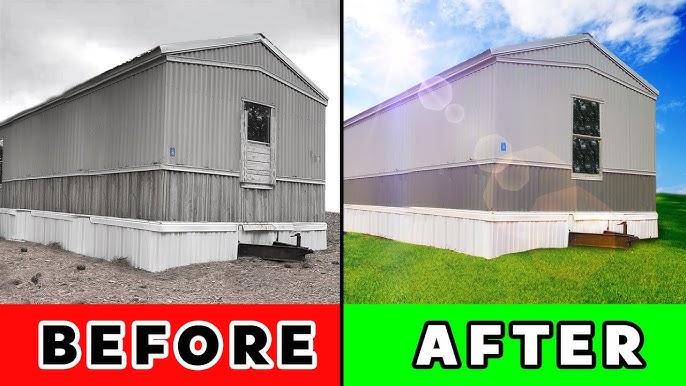
What Does Flipping Mobile Homes Involve?
Flipping mobile homes generally focuses on older or outdated units that require improvements. Many of these homes are located in mobile home communities, where owners may want to sell quickly, providing opportunities for investors to negotiate a favorable price. After acquiring the home, the investor renovates it to increase its value and market appeal. Once completed, the home is marketed and sold at a profit.
However, it’s important to remember that flipping mobile homes comes with unique considerations. Unlike traditional houses, many mobile homes are situated on leased land, meaning you may not own the land itself. You will also need to understand how mobile home titles, park rules, lending practices, and inspection requirements function in your area. These details influence both your costs and your selling strategy.
Steps to Successfully Flip a Mobile Home
- Research the mobile home market in your city or county and identify areas with strong demand.
- Secure funding for the purchase and renovation through savings, private loans, or investor partnerships.
- Locate mobile homes priced below market value and verify they are suitable for renovation.
- Conduct a thorough inspection to assess structural, electrical, plumbing, and cosmetic repair needs.
- Plan and manage renovations that improve both function and appearance without overspending.
- Market the finished home effectively using online listings, photographs, and community outreach.
- Negotiate and close the sale with proper paperwork and buyer qualification steps.
Successful flipping requires balancing cost-efficient repairs with improvements that provide visual and functional value. Overspending on upgrades can reduce profit, while under-renovating can make the home harder to sell.
Finding Mobile Homes to Flip
Finding the right deal directly affects your profit. Many deals come from motivated sellers, including homeowners relocating, residents upgrading to larger homes, or estates selling inherited property. Look for opportunities where the seller wants a quick sale, allowing room to negotiate.
Good places to find properties include:
- Mobile home park bulletins and on-site managers
- Online marketplaces such as Facebook Marketplace, Craigslist, and mobile home listing platforms
- Local classified ads and yard signs
- Networking with local dealers and mobile home service providers
Before making an offer, confirm the current lot rent, park rules, required approvals, and whether the home still has a valid title.
Renovation Planning and Budgeting
Renovating mobile homes is often easier and cheaper than updating a traditional house, but planning is still essential. Focus first on core functionality:
- Repair water leaks, roofing damage, flooring soft spots, and plumbing issues.
- Address electrical issues that could impact safety.
- Ensure doors, windows, and ventilation systems work properly.
Then, enhance appearance with affordable upgrades such as:
- Fresh paint and clean, modern color schemes
- New lighting fixtures or updated hardware
- Replacing damaged flooring with cost-friendly laminate or vinyl planks
- Deep cleaning and decluttering throughout the home
Cosmetic improvements can significantly influence a buyer’s first impression and perceived value.
Frequently Asked Questions
1. Do I need a real estate license to flip mobile homes?
No, you do not need a real estate license to flip mobile homes you personally buy and sell.
2. How much money do I need to start flipping mobile homes?
Startup budgets vary, but many investors begin with modest amounts because purchase prices are lower than traditional houses.
3. Do mobile homes appreciate in value?
Renovated mobile homes often increase in resale value when improvements make them more livable and visually appealing.
4. Can I flip mobile homes in parks with lot rent?
Yes, but ensure you understand park rules and approval requirements before purchasing.
5. How long does a mobile home flip typically take?
Timelines differ, but many flips take a few weeks to a few months depending on repair needs.
6. What repairs offer the best return on investment?
Roof sealing, flooring replacement, paint updates, and appliance repairs often provide strong visual and functional value.
7. Should I hire contractors or do the work myself?
This depends on your skill level, timeline, and renovation complexity.
8. How do I determine a profitable resale price?
Check comparable sales in the same park or neighborhood and calculate based on total investment costs.
9. Can flipping mobile homes be a full-time income source?
Yes, many investors flip mobile homes full-time once they build experience and a reliable workflow.
10. Are financing options available for buyers of flipped homes?
Financing varies, but some buyers use personal loans, chattel loans, or community-approved financing programs.
Final Thoughts
Flipping mobile homes offers a flexible and financially accessible pathway into real estate investment. With lower acquisition costs and faster renovation timelines, this strategy provides opportunities to generate profit while helping improve housing availability in local communities. The key to success is careful research, realistic budgeting, and strong understanding of mobile home construction and park regulations. By approaching each flip with planning and patience, investors can build steady income and long-term confidence in the mobile home market.