
The mobile home market in Florida has always been significant, but today, it is evolving faster than ever. What was once seen as a basic and affordable housing option has transformed into a competitive segment of the real estate market with new designs, sustainable features, and shifting buyer demographics. The future of mobile homes in Florida is marked by innovation, modernization, and increased demand from a wider range of homeowners, from retirees to young professionals and families.
Florida’s appeal remains strong due to its warm climate, lower cost of living, and lifestyle amenities, making mobile homes an ongoing housing solution for both year-round residents and seasonal snowbirds. However, as housing prices rise across many counties, mobile homes provide even greater value and accessibility for those seeking affordable yet comfortable living conditions.
Design and Construction Innovations
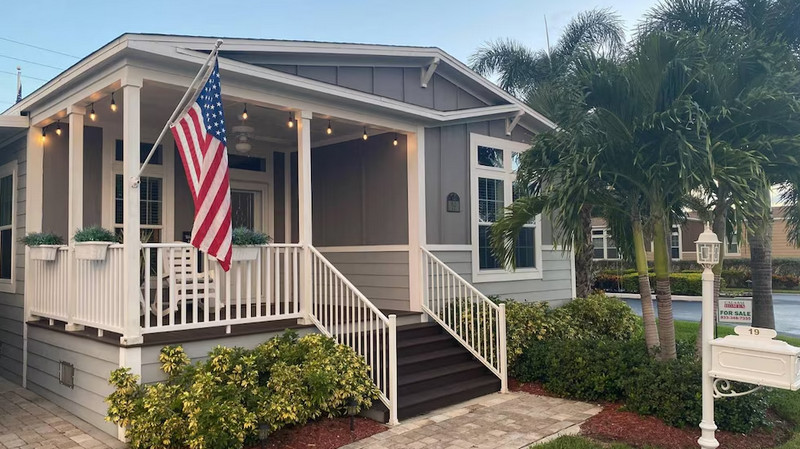
One of the most notable influences shaping the future of mobile homes in Florida is the improvement in design and construction standards. Modern mobile homes are far from the plain, box-like structures of decades past. Today, many manufactured homes resemble site-built houses in terms of layout, comfort, and visual appeal.
Manufacturers are prioritizing better materials, stronger structural reinforcements, and modern architectural design to enhance durability and long-term value. These improvements are especially important in Florida, where weather resilience plays a major role.
Energy efficiency and sustainability are also key trends influencing new mobile home designs. Many newer models feature:
- Energy-efficient insulation
- Low-emissivity windows
- Energy Star-certified appliances
- High-efficiency HVAC systems
- Solar-ready roofing designs
These features help residents reduce utility bills while also supporting environmentally conscious lifestyles.
Integration of Smart Home Technology
Another trend affecting the future of mobile homes in Florida is the adoption of smart home technology. Features that were once luxury add-ons are now increasingly standard, such as:
- Smart lighting systems
- Remote-controlled thermostats
- Motion-activated security systems
- Smart door locks
For Florida homeowners, remote operation offers additional peace of mind during hurricane evacuations or seasonal travel. Energy-saving smart thermostats are especially valuable due to the state’s warm climate and year-round cooling needs.
These technologies not only help homeowners manage their living space more efficiently but also increase the overall value and appeal of mobile homes to younger generations.
Shifting Buyer Demographics
For many years, retirees made up the majority of mobile home buyers in Florida. While retirees remain a strong segment, there has been a noticeable shift as younger buyers and working families increasingly consider mobile homes as long-term housing solutions.
- Several factors contribute to this change:
- Rising housing prices across the state
- Increased cost of renting traditional apartments
- Desire for financial flexibility and reduced debt
- Interest in minimalist and sustainable living
Millennials and first-time homebuyers find mobile homes particularly appealing because they offer the benefits of homeownership without the financial strain associated with site-built homes. Many modern mobile home communities also offer amenities such as:
- Clubhouses
- Swimming pools
- Fitness centers
- Organized social activities
This lifestyle appeal continues to help mobile homes shed outdated stereotypes.
Regulatory Updates and Safety Improvements
The future of mobile homes in Florida is also influenced by evolving regulations designed to improve safety, durability, and resident protection. Because of Florida’s vulnerability to hurricanes and storms, manufactured homes must meet federal construction standards set by HUD, along with state and local guidelines.
Newer homes built after 1994 follow stricter wind-resistance codes, including reinforced structures and improved anchoring systems. Going forward, safety standards are expected to continue focusing on storm resistance and energy efficiency.
At the same time, discussions surrounding zoning and land use continue across the state. As land values rise, some mobile home parks face redevelopment pressure. This has led policymakers to explore programs aimed at preserving affordable mobile home communities for long-term residents.
Cost Advantages and Market Growth
Mobile homes remain one of the most affordable housing options in Florida. This affordability is a major driver behind increased demand. Homeownership remains out of reach for many, especially in high-growth regions like Tampa Bay, Orlando, Sarasota, and Miami. Mobile homes offer a practical path toward owning rather than renting, and they help residents maintain stability in a competitive market.
With continued improvements in design and energy efficiency, the long-term operational cost of mobile homes is also decreasing — adding to their overall financial appeal.
Frequently Asked Questions
Are mobile homes still a good housing option in Florida?
Yes. They remain one of the most affordable housing options and are increasingly modern and durable.
Do mobile homes hold their value?
Value depends on condition, location, and maintenance. Homes in desirable communities often retain or increase value.
Are modern mobile homes hurricane-safe?
Mobile homes built after 1994 follow stricter construction standards that significantly improve storm resistance.
What lifestyle amenities do mobile home communities offer?
Many communities offer pools, clubhouses, fitness centers, events, and social activities.
Are younger buyers purchasing mobile homes?
Yes. More millennials and first-time homebuyers are choosing mobile homes due to affordability and flexibility.
Can mobile homes be customized?
Modern manufactured homes can often be customized with different layouts, finishes, and upgrades.
Do mobile homes support smart home technology?
Yes. Many new models are built smart-ready or include integrated systems.
Are financing options available for mobile homes?
Yes. Several lenders offer loans for both new and pre-owned mobile homes.
Do mobile homes require special insurance?
Mobile home insurance is similar to homeowners insurance but is tailored to manufactured structures.
Is the mobile home market in Florida expected to grow?
Yes. Demand is projected to increase due to affordability needs and demographic changes.
Final Thoughts
The future of mobile homes in Florida is full of promise. With innovative designs, smarter technology, and a broader buyer base, mobile homes continue to offer value, comfort, and opportunity. As affordability challenges persist in the traditional housing market, mobile homes will remain an essential and growing segment of Florida’s housing landscape. Whether for retirees, families, or younger homebuyers, mobile homes are well-positioned to meet the state’s evolving housing needs for years to come.