
The American dream has long been associated with owning a traditional house complete with a yard, driveway, and white picket fence. However, rising housing costs have made that dream harder for many to achieve. As home prices climb and rental rates continue to increase, people are searching for realistic paths to homeownership. This is where “the mobile home myth” often comes into play. Many still believe that mobile homes are low-quality, temporary, or lack comfort. Yet, modern mobile homes have evolved significantly, offering affordability, flexibility, and an appealing lifestyle without sacrificing comfort or pride of ownership.
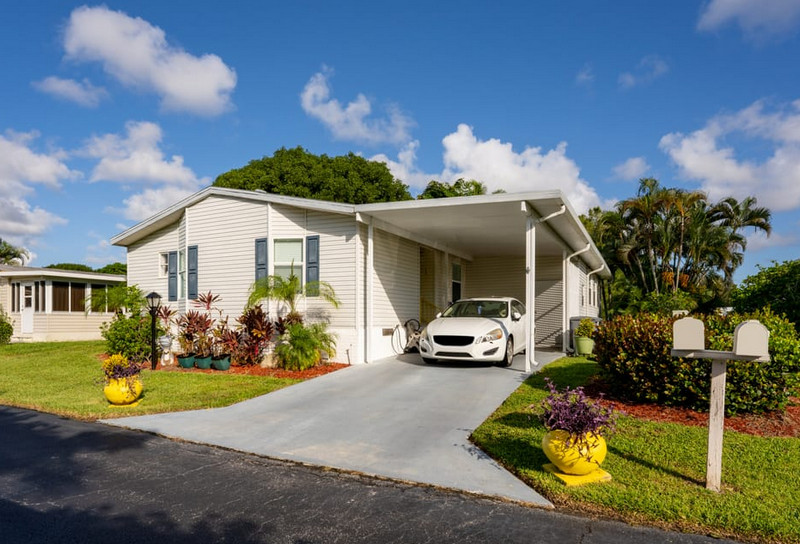
Today’s mobile homes—also referred to as manufactured homes—are built with durability in mind, featuring updated building standards, stylish interiors, and community living environments that foster belonging. Understanding the truth behind the mobile home myth opens doors to achievable, sustainable homeownership, especially for those looking to avoid overwhelming long-term financial commitments.
Affordability: The Foundation of the Appeal
One of the most compelling reasons to consider a mobile home is cost. Traditional home prices often range far beyond what many individuals or families can reasonably afford. In contrast, mobile homes typically require a much lower upfront investment. Depending on size and features, new manufactured homes can range from around $40,000 to $100,000 or more. Meanwhile, pre-owned mobile homes offer even more savings.
This affordability allows buyers to become homeowners sooner rather than waiting years to save for a down payment on a traditional home. Lower purchase costs also mean smaller loans—or none at all in some cases—giving owners more financial breathing room and less stress tied to monthly expenses.
The mobile home myth often suggests that affordability equals low quality. Yet, modern manufactured homes must meet strict building codes and often use the same materials found in site-built homes, just assembled in a controlled factory environment.
Lower Ongoing Costs and Reduced Financial Strain
Affordability extends beyond the initial purchase. Mobile homes frequently come with lower property taxes and insurance costs. Because many mobile home owners rent the land beneath their home, property tax obligations are significantly reduced. Even in cases where a homeowner purchases land, tax assessments for mobile homes are often lower due to their size and classification.
Utility and maintenance expenses are usually lower as well. Smaller square footage means less energy to heat or cool the space. Repairs are often simpler and more cost-effective due to the standardized construction components.
This combination of lower upfront and ongoing costs allows homeowners to allocate more of their income toward savings, travel, hobbies, or simply enjoying day-to-day life without financial stress.
Move-In Ready Convenience and Flexible Living Options
Mobile homes also offer the benefit of quick move-in timelines. Unlike site-built homes that require lengthy construction schedules, manufactured homes are built off-site and installed on your chosen lot. This can dramatically reduce waiting time and get homeowners comfortably settled sooner.
Maintenance is also more manageable. Many mobile homes require less time, effort, and money to maintain. Smaller yards mean easier outdoor upkeep, and interior repairs are often simpler due to standardized layouts. For retirees, busy professionals, or anyone who prefers free time over home maintenance, this lifestyle can be especially appealing.
Modern Style, Comfort, and Amenities
Another part of the mobile home myth is the outdated image of cramped, unattractive interiors. However, modern manufactured homes feature spacious layouts, open-concept living areas, modern kitchens, large windows, updated flooring, and energy-efficient systems. Many models offer multiple bedrooms, walk-in closets, stylish bathrooms, and high ceilings.
Mobile home designs continue to evolve, blending comfort and practicality with personal style. With options for upgrades and personalization, homeowners can create a living environment that reflects their lifestyle and taste.
Community Connection and Social Support
Many mobile home communities are designed around friendliness and connection. Residents often know their neighbors, participate in community events, and support one another. Amenities such as pools, clubhouses, and walking paths help create a welcoming environment.
This strong sense of community can be especially appealing to retirees, young couples, and individuals seeking meaningful relationships with neighbors. By living in a community setting, many enjoy a balance of independence and social engagement.
Environmental Advantages and Efficient Living
Mobile homes also offer environmental benefits. They use fewer building materials during construction and require less energy to heat or cool. Many new models are built with energy-efficient windows, insulation, and appliances. For those looking to reduce their environmental impact, mobile homes present a responsible alternative to larger, higher-consumption housing.
FAQ About the Mobile Home Myth
1. Do mobile homes always lose value?
Mobile homes can depreciate, but proper maintenance and owning the land can help preserve or even increase value.
2. Are mobile homes safe during storms?
Modern manufactured homes are built to meet federal safety standards. Proper anchoring and choosing the right location enhance safety.
3. Can mobile homes be customized?
Yes. Many models offer customizable layouts, finishes, and exterior features.
4. Do mobile homes look outdated?
Modern designs often resemble traditional homes with open concepts and stylish finishes.
5. Can you get financing for a mobile home?
Financing options are available through specialized lenders, depending on the home and location.
6. Are mobile home communities restrictive?
Communities vary. Some have rules to maintain cleanliness and safety, while others offer flexible guidelines.
7. Are mobile homes only for seniors or retirees?
No. Mobile home communities attract individuals, families, retirees, and younger buyers alike.
8. What kind of maintenance do mobile homes need?
Maintenance tends to be easier and less costly than traditional homes, especially when issues are addressed early.
9. Are mobile homes energy-efficient?
Many modern models are designed with efficiency in mind, reducing monthly utility costs.
10. Can I move my mobile home if needed?
Yes, mobile homes can be relocated, although relocation requires professional handling and planning.
Final Thoughts
The mobile home myth often discourages potential homeowners from exploring a housing option that is affordable, flexible, and comfortable. With modern upgrades, supportive communities, and significantly lower financial demands, mobile homes offer a practical pathway to homeownership for many people. By replacing outdated stereotypes with accurate information, buyers can make thoughtful decisions that support both financial wellness and quality of life. Mobile homes provide a genuine opportunity to achieve the dream of having a place to call home—without the overwhelming price tag.