
The manufactured housing sector has demonstrated remarkable resilience and growth over the past few years. Initially predicted in 2021 to potentially outperform the broader residential market, manufactured housing continues to show strong performance in 2023. To understand this trend, we explore occupancy rates, supply chain challenges, growing demand, and the role of technology in managing communities efficiently.
Occupancy Rates and Rent Highs
Manufactured housing communities across the United States have mirrored the broader residential market while showing some notable advantages. By November 2022, occupancy rates reached a record 95.4%, and average monthly rents climbed to $800. These figures reflect a strong housing shortage and a growing preference for homeownership over renting.
Speed and Efficiency of Manufactured Housing
Unlike traditional homes, manufactured homes are built in a matter of days, not months. This efficiency allows operators to meet rising demand more quickly. Moreover, the streamlined production process reduces labor costs and construction delays, which benefits both investors and prospective homeowners.
Supply Chain Challenges
Like many industries, manufactured housing has faced supply chain disruptions in recent years. Rising costs of raw materials and transportation have pressured prices upward. Nevertheless, production has increased for five consecutive months, driven by operational efficiency and a strategic approach to product offerings.
Adaptation Strategies for Builders
Manufacturers often adjust appliance selections and building materials to navigate supply shortages. Larger-scale manufacturers benefit from bulk purchasing and established supplier relationships, giving them an edge over smaller homebuilders. Despite ongoing challenges, manufactured housing has outperformed traditional residential construction in many regions.
Increasing Demand
Demand for manufactured homes continues to rise, particularly in high-growth regions like the Sun Belt. While fewer new manufactured communities have been built in recent years, operators remain committed to expanding capacity where possible. Strong demand is fueled by affordability, faster construction timelines, and growing acceptance of manufactured housing as a desirable option.
Balancing Supply and Demand
Operators often face challenges in supplying new homes quickly enough to match demand. Material shortages and labor costs delay deliveries, leading to higher prices for available homes. Despite these obstacles, the demand trajectory for manufactured housing remains positive, attracting both investors and homebuyers.
Challenges in Getting New Homes to Market
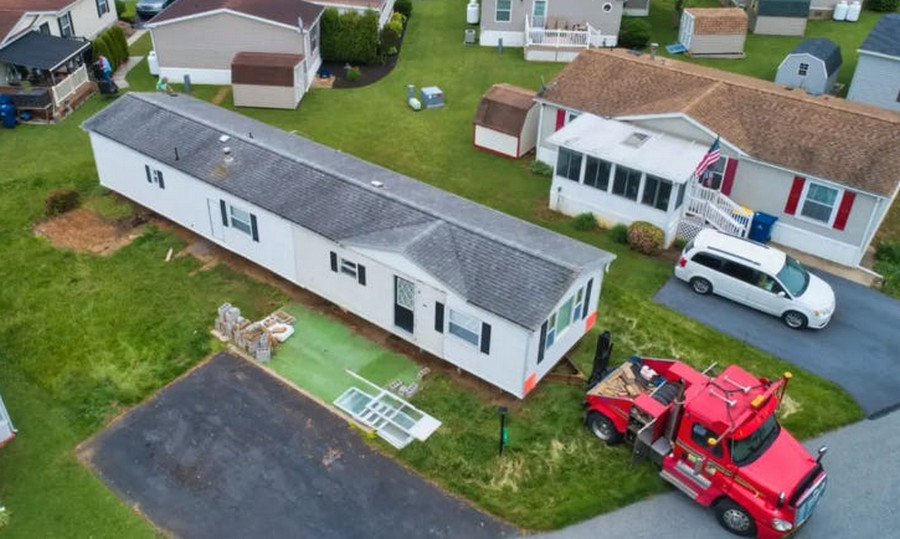
The main issue in manufactured housing today is supply bottlenecks. Operators want homes on every available lot, but delays in transportation and installation slow the process. Rising labor costs and transportation expenses further add to overall project costs, making newly delivered homes more expensive than they were a few years ago.
Short-Term Solutions for Operators
Some manufacturers hesitate to expand production too quickly due to high operational costs. Facilities need strategic locations to minimize transportation expenses. Nevertheless, careful planning and logistics optimization help operators bring homes to market efficiently, meeting the growing demand for affordable housing.
Stereotypes, Consolidation, and Private Equity
The manufactured housing industry has experienced consolidation, with private equity investors playing a significant role. While concerns about rent increases and resident displacement exist, private equity often brings capital to improve community infrastructure. Investments may include upgraded amenities, better landscaping, and enhanced community spaces, which elevate the overall quality of manufactured housing communities.
Opportunities from Private Investment
Operators leveraging private equity can improve property management and expand community offerings. These enhancements attract new residents and can create long-term value for investors while maintaining affordability and increasing occupancy rates.
Technology and the Bright Future of Manufactured Housing
Manufactured housing is evolving with new technology, reducing maintenance costs and streamlining operations. Operators increasingly use data-driven solutions to optimize home placement, community amenities, and pricing strategies. Furthermore, homeowners benefit from upgraded homes that are energy-efficient, low-maintenance, and visually appealing.
Property Management Software
Property management software has become essential for community operators. Smaller operators traditionally relied on spreadsheets, but modern software allows better tracking of rent, maintenance, and capital expenditures. These tools help optimize decision-making and improve overall operational efficiency, ultimately enhancing resident satisfaction and profitability.
FAQ
1. What is manufactured housing?
Manufactured housing refers to homes built in a factory and transported to a permanent or semi-permanent site.
2. How does manufactured housing differ from traditional homes?
These homes are constructed off-site, reducing build time and costs while maintaining quality standards.
3. Are manufactured homes in high demand?
Yes, especially in regions like the Sun Belt, due to affordability and fast construction timelines.
4. Can private equity improve manufactured housing communities?
Yes, investments can fund amenities, repairs, and community upgrades, benefiting both operators and residents.
5. Do manufactured homes appreciate in value?
Generally, they can appreciate, particularly in high-demand communities or when well-maintained.
6. How do supply chain issues affect manufactured housing?
Material shortages and transportation costs can delay delivery and increase home prices.
7. What role does property management software play?
It helps operators track rent, maintenance, and community investments, optimizing operations and resident satisfaction.
8. Are manufactured homes energy-efficient?
Modern manufactured homes often feature energy-efficient designs, reducing utility costs for residents.
9. Can I invest in manufactured housing communities?
Yes, investing in homes or communities can yield rental income or resale profits.
10. Where can I find more information about manufactured housing?
Visit The Mobile Home Dealer for guides and expert insights.
Final Thoughts
Manufactured housing continues to be a resilient and dynamic sector. Despite supply chain disruptions and rising costs, occupancy rates and demand remain high. Private equity investment, technology adoption, and innovative property management tools enhance operational efficiency and community quality. For investors, operators, and homebuyers alike, manufactured housing offers a viable, affordable, and increasingly attractive housing solution. As the industry moves forward, the combination of advanced technology, strategic planning, and high-quality homes will likely ensure sustained growth and opportunity in this market.