
Mobile homes continue to be a popular housing choice in Florida thanks to their affordability, flexibility, and community-driven environments. Whether you are a retiree searching for a peaceful place to settle, a first-time homebuyer entering the housing market, or someone seeking a comfortable lifestyle without the high cost of traditional homes, mobile home living may be an excellent fit. This guide to buying a mobile home in Florida will walk you through the process, key considerations, financing options, legal requirements, and the best locations to consider throughout the state.
The first step in buying a mobile home is understanding what type of home and community best meets your needs. Florida offers a wide variety of mobile home communities, ranging from quiet 55+ neighborhoods to family-friendly areas filled with amenities. Because of this diversity, it is important to research thoroughly and compare your options carefully. Doing so helps ensure that your final choice fits your budget, lifestyle, and long-term goals.
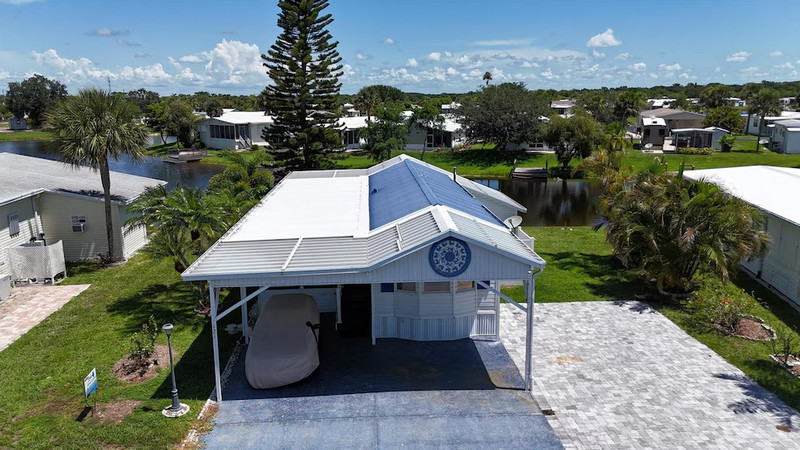
Steps in the Mobile Home Buying Process
Determining your budget is the foundation of the entire buying journey. Begin by reviewing your income, savings, and expected monthly expenses. Remember to include ongoing costs such as lot rent, utilities, insurance, and maintenance. Once you have established a budget, decide whether you want a new mobile home or a pre-owned one. New homes often feature modern designs and customization options, while pre-owned homes are usually more affordable.
Next, start researching mobile home communities. Florida has many choices, each offering different amenities, rules, lot fees, and resident types. Once you identify several communities of interest, schedule visits. Touring in person is important because it allows you to evaluate the condition of the home, observe the pride of ownership in the community, and interact with residents and property managers.
If you find a home that meets your needs, arrange for a professional inspection. Inspections help identify issues with the foundation, roof, electrical system, plumbing, and overall structure. After completing the inspection, move into the negotiation stage. Negotiating ensures that the final price reflects the home’s condition and the local market. When the price is agreed upon, secure financing if needed, finalize the paperwork, and complete the sale.
Important Considerations When Buying
Location plays a major role in your decision. Consider factors such as proximity to grocery stores, healthcare facilities, schools, beaches, and recreational areas. Additionally, climate and weather patterns vary throughout Florida, so choose an area that aligns with your comfort preferences and lifestyle.
Many mobile home communities offer amenities such as clubhouses, swimming pools, organized activities, fitness centers, and gated entry. While these features enhance living quality, they may also increase monthly lot rent. Be sure to factor these ongoing costs into your budget. Also check for age restrictions. Some communities cater specifically to adults aged 55 and older, while others are open to all ages.
If you have pets, review each community’s policies. Some communities allow pets without restrictions, while others limit the number, size, or breed. Since most mobile home owners own the home but rent the land it sits on, examine lot rent carefully. Lot rent varies widely depending on location, amenities, and demand.
Financing Options for Mobile Homes
Mobile home financing differs from traditional home financing, especially when the home is located on leased land. Chattel loans are commonly used and are secured by the home rather than the land. These loans usually have higher interest rates but offer simplicity for homes on rented lots.
FHA loans may be available to qualified buyers. These loans offer lower down payments and flexible credit requirements. Some buyers also choose personal loans. These loans require no collateral but often come with higher interest rates.
Manufacturer financing is another option. Some manufacturers offer in-house financing directly to homebuyers. Although convenient, terms and rates should always be compared to other lenders to ensure you receive a competitive deal. A higher credit score and larger down payment typically lead to better loan terms.
Legal Requirements and Documentation
Mobile homes in Florida must be titled and registered with the Department of Highway Safety and Motor Vehicles. Be sure that the title is properly transferred into your name during the purchase. A bill of sale must document the transfer of ownership and include details such as VIN, sale price, and signatures.
Mobile home insurance is essential in Florida due to hurricanes and strong storms. Insurance policies usually cover wind damage, fire, theft, and liability. Additionally, make sure the mobile home complies with local zoning and land use laws before finalizing your purchase.
Top Places to Buy a Mobile Home in Florida
- Tampa Bay: Known for beaches, entertainment, and affordable living.
- Orlando: Central location with family-friendly attractions and communities.
- Sarasota: Ideal for those seeking arts, culture, and beach life.
- Fort Myers: Coastal living with many community amenities.
- Ocala: Quiet, nature-focused environment with larger lot options.
- Palm Bay: Family-friendly and located near beaches and outdoor recreation.
- Naples: Upscale living at a fraction of the cost of traditional homes.
- Jacksonville: Large metropolitan area with diverse community choices.
Frequently Asked Questions
Do I need a realtor to buy a mobile home?
No, but working with a licensed mobile home dealer can simplify the process.
Can I finance a mobile home on leased land?
Yes, chattel loans are commonly used for such purchases.
Are mobile homes durable in Florida weather?
Modern homes built after 1994 must meet stricter wind zone standards.
Is mobile home ownership cheaper than a traditional home?
Yes, mobile homes typically offer lower purchase and maintenance costs.
What is lot rent?
Lot rent is the monthly fee paid to use the land your home sits on.
Do all communities allow pets?
No, pet policies vary, so review community rules before purchasing.
Can I remodel a mobile home?
Yes, but some structural changes may require permits.
Are utilities included in lot rent?
Sometimes, but not always. Always confirm what is included.
How long does the buying process take?
Most purchases close within a few weeks, depending on financing.
Do mobile homes appreciate or depreciate?
Values vary based on condition, location, and community desirability.
Final Thoughts
Understanding the process and knowing what to look for makes it much easier to navigate a guide to buying a mobile home in Florida. With thoughtful planning, careful research, and the right financing, you can make a confident decision that supports your lifestyle and financial goals. Florida’s warm climate, friendly communities, and variety of locations make it an excellent place to enjoy the benefits of mobile home living.
If you need help, guidance, or personalized support, working with a licensed mobile home dealer can make the experience smooth, informed, and stress-free.