
Mobile homes provide an affordable and flexible housing solution, but like any dwelling, they require proper maintenance to remain safe and comfortable. One key aspect often overlooked by homeowners is understanding mobile home leveling. Ensuring your mobile home is properly leveled prevents structural damage, improves functionality, and extends its lifespan. This guide explores the importance of leveling, signs that indicate it’s needed, and the step-by-step process to restore your mobile home to stability.
What is Mobile Home Leveling?
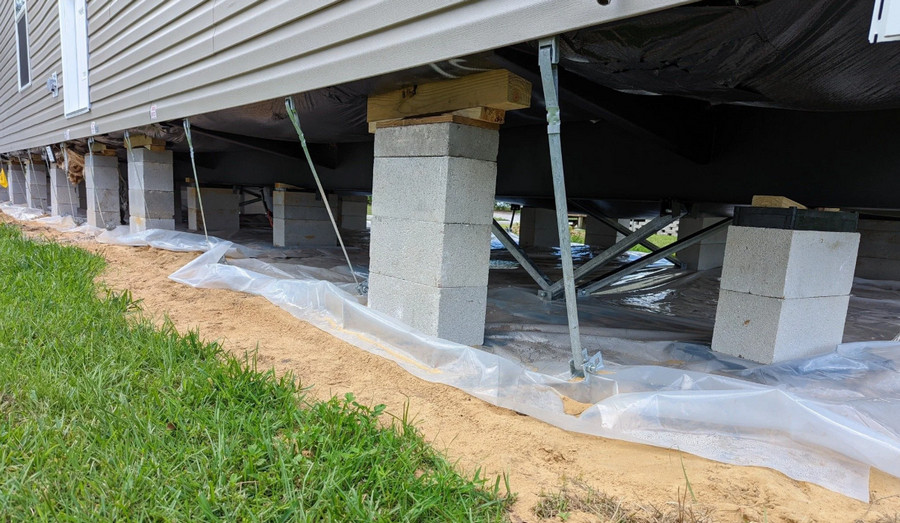
Mobile home leveling involves adjusting the foundation so that the home sits evenly on its supports. Over time, ground movement, soil settling, or poor installation can cause the home to become unlevel. This imbalance often leads to uneven floors, sticking doors and windows, and other structural problems.
Why Leveling Matters
A level foundation ensures the longevity of the home while maintaining safety and comfort. By addressing minor shifts early, you can prevent costly repairs and keep your home in excellent condition.
Why Mobile Home Leveling is Necessary
Several factors can make mobile home leveling essential:
Foundation Settling: The ground beneath a mobile home naturally shifts over time, potentially causing unevenness that affects the structure.
Poor Installation: A home not properly installed from the start can develop sagging floors, misaligned doors, and other issues.
Weather Conditions: Heavy rains, flooding, or shifting soil can compromise stability, making leveling necessary to maintain balance.
Preventing Long-Term Damage
Understanding the reasons for leveling allows homeowners to act proactively. Timely attention reduces stress and prevents long-term structural issues.
Signs Your Mobile Home Needs Leveling
Knowing when your mobile home needs attention is crucial. Look for these common signs:
Uneven Floors: Sloping or wobbly floors indicate foundation shifts.
Sticking Doors and Windows: Difficulty opening or closing doors and windows often signals an unlevel home.
Cracks in Walls: Cracks, particularly around openings, can indicate movement in the foundation.
Visible Gaps: Gaps between walls, floors, or ceilings may reveal uneven settling.
Early Detection is Key
Regular inspections help catch these signs before they escalate into larger, more expensive problems. Homeowners should schedule periodic checks to maintain stability.
The Mobile Home Leveling Process
Leveling a mobile home involves a detailed, step-by-step process carried out by professionals:
Assessment: Identify areas that are uneven and evaluate the extent of foundation issues.
Temporary Supports: Install supports to stabilize the home safely during the leveling process.
Lifting the Home: Use hydraulic jacks to gradually lift the home, focusing on problem areas while monitoring carefully.
Adding Support Piers: Install piers beneath the home to provide long-term structural support.
Securing the Piers: Ensure piers are firmly in place to maintain stability.
Adjusting and Realigning: Fine-tune the home’s position horizontally and vertically for perfect leveling.
Checking Drainage: Improve drainage around the foundation to prevent future settling or erosion.
Final Inspection: Confirm the home is level, doors and windows function properly, and the structure is secure.
Professional Expertise Matters
While some homeowners attempt DIY leveling, professional experience is invaluable. Experts ensure safety, precision, and long-term stability while minimizing the risk of damage.
FAQ About Understanding Mobile Home Leveling
1. How often should I check if my mobile home needs leveling?
Inspect your home at least once a year or after severe weather events.
2. Can I level a mobile home myself?
DIY leveling is risky. Professionals are recommended for safety and precision.
3. What tools are used for mobile home leveling?
Hydraulic jacks, support piers, and leveling instruments are commonly used.
4. How long does the leveling process take?
Depending on the home size and condition, it can take one to three days.
5. Does leveling fix all structural issues?
Leveling corrects foundation imbalance but may not repair unrelated structural damage.
6. Can poor drainage cause leveling problems?
Yes, water accumulation can lead to soil erosion and foundation settling.
7. Is mobile home leveling expensive?
Costs vary depending on the home size and extent of the problem, but professional leveling is an investment in long-term stability.
8. What happens if I ignore leveling needs?
Ignoring issues can cause sticking doors, cracked walls, plumbing problems, and increased repair costs.
9. Can new mobile homes need leveling?
Yes, even newly installed homes can experience uneven settling if the site was not properly prepared.
10. Where can I find professional mobile home leveling services?
Consult trusted resources like The Mobile Home Dealer for experienced professionals and reliable guidance.
Final Thoughts
Understanding mobile home leveling is essential for maintaining safety, comfort, and structural integrity. Recognizing the signs of imbalance and following a proper leveling process prevents damage and enhances your living experience. Regular inspections, professional assistance, and attention to drainage can extend the life of your mobile home. By staying proactive, homeowners can ensure their mobile home remains stable, functional, and enjoyable for years to come.
See Also:
- 10 Essential Steps When Settling Into Your New Mobile Home
- The Top 5 Reasons to Use a Mobile Home Sales Agent in Florida
- 10 Tips for Choosing the Right Mobile Home Park for You
- 9 Compelling Reasons to Invest in a Mobile Home in Florida
- Unveiling the Energy Efficiency of Mobile Homes: A Comprehensive Analysis