
Manufactured homes, often referred to as mobile homes or trailers, have long been a popular housing option due to their affordability and flexibility. However, as these homes age, many develop issues such as poor insulation, outdated fixtures, and inefficient systems that affect comfort and energy costs. That’s where retrofitting an older manufactured home comes in.
Retrofitting allows homeowners to upgrade their existing homes with modern features and technologies, improving everything from energy efficiency to structural safety. Whether you’ve owned your mobile home for years or recently purchased an older model, making targeted upgrades can drastically improve livability and extend your home’s lifespan.
What Is Retrofitting and Why Does It Matter?
Retrofitting means updating or improving an existing structure to enhance its performance, durability, and energy efficiency. For manufactured homes, this process often focuses on improving insulation, structural integrity, HVAC systems, and interior comfort.
Because mobile homes are built with lightweight materials, they can lose heat more quickly and require additional care to meet modern energy standards. Retrofitting helps bridge that gap, making older homes safer, greener, and more cost-effective to maintain.
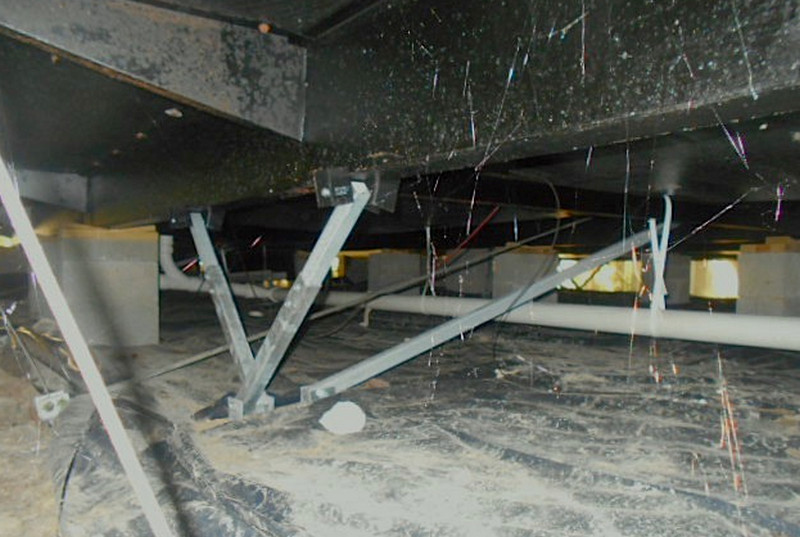
Top Benefits of Retrofitting an Older Manufactured Home
1. Improved Energy Efficiency
One of the biggest reasons to consider retrofitting an older manufactured home is to boost energy efficiency. Many older units lack adequate insulation or rely on outdated HVAC systems that consume excessive energy. By upgrading insulation in walls, floors, and ceilings and replacing old windows and doors with energy-efficient models, homeowners can significantly reduce heating and cooling costs.
In addition, installing modern HVAC units or programmable thermostats ensures consistent indoor temperatures without wasting energy. These upgrades often pay for themselves over time through lower utility bills.
2. Enhanced Comfort and Livability
Nothing affects comfort more than fluctuating temperatures or drafty rooms. Retrofitting helps seal air leaks, regulate humidity, and improve ventilation. Modern HVAC systems also provide better air quality and climate control, keeping your home warm in the winter and cool in the summer.
Small changes, such as upgrading skirting or underfloor insulation, can make a big difference in maintaining stable temperatures throughout the year.
3. Increased Property Value
A well-maintained, energy-efficient manufactured home is more attractive to potential buyers. Retrofitting can increase resale value by improving the home’s condition and meeting modern standards.
Buyers are increasingly looking for homes that are both affordable and sustainable, so upgrades like double-pane windows, modern roofing, and energy-efficient appliances can help your home stand out in the real estate market.
Extending the Lifespan of Your Mobile Home
4. Structural Durability
Older manufactured homes often suffer from wear and tear caused by years of exposure to the elements. By upgrading critical components like roofing, siding, and foundations, you can extend your home’s structural lifespan and protect it from wind, rain, and moisture damage.
Retrofitting also provides an opportunity to inspect for hidden issues — such as rusted frames, roof leaks, or water damage — and fix them before they worsen. Regular maintenance combined with upgrades can add decades to your home’s life.
5. Improved Health and Safety
Retrofitting is not just about comfort; it’s also about safety. Modernizing your home allows you to install essential safety features like smoke detectors, carbon monoxide alarms, and better ventilation systems. Additionally, by reducing drafts and preventing moisture buildup, you can eliminate mold and mildew problems that affect indoor air quality.
For older mobile homes that use outdated electrical wiring or gas systems, retrofitting ensures your home meets modern safety codes and reduces fire or leak risks.
6. Environmental Benefits
Upgrading your manufactured home doesn’t just help your wallet — it helps the planet. Energy-efficient systems use less fuel, reducing your carbon footprint. Installing solar panels or using eco-friendly building materials during the retrofit can further promote sustainability.
Homeowners who prioritize environmentally friendly retrofitting often qualify for energy rebates or incentives, depending on local programs.
Best Retrofitting Options for Older Manufactured Homes
Retrofitting is flexible — you can tailor upgrades based on your home’s condition and your budget. Here are some of the most effective options:
- Insulation Upgrades: Add or replace insulation in walls, ceilings, and floors to improve thermal performance and energy savings.
- Window and Door Replacements: Install energy-efficient models that prevent drafts and reduce heating and cooling costs.
- HVAC System Upgrades: Replace old furnaces or air conditioners with modern, energy-efficient systems for better comfort and control.
- Roof and Siding Replacement: Upgrade materials for enhanced weather resistance and durability.
- Plumbing and Electrical Modernization: Bring outdated systems up to code for better safety and functionality.
- Energy-Efficient Appliances: Choose ENERGY STAR-rated appliances to lower utility bills and boost your home’s resale appeal.
- Solar Energy Systems: Installing solar panels can further reduce your home’s energy dependence and operational costs.
Practical Tips Before Starting a Retrofit
Before beginning your retrofit project, conduct a home energy audit to identify areas that need improvement. Set a budget and prioritize upgrades that deliver the highest return on investment. Always hire licensed professionals for electrical, plumbing, or structural work to ensure safety and compliance with local codes.
Frequently Asked Questions
1. What does retrofitting an older manufactured home mean?
It means upgrading and improving your home to make it more energy-efficient, durable, and comfortable.
2. Why should I retrofit my manufactured home?
Retrofitting lowers utility costs, increases comfort, enhances safety, and boosts resale value.
3. How much does it cost to retrofit a mobile home?
Costs vary based on upgrades but typically range from $5,000 to $25,000 depending on the size and scope of improvements.
4. Will retrofitting reduce my energy bills?
Yes. Adding insulation, replacing windows, and upgrading HVAC systems can significantly reduce monthly energy costs.
5. Do I need permits to retrofit my mobile home?
In most cases, yes. Structural or electrical changes usually require local permits to meet safety codes.
6. How long does a retrofit project take?
A full retrofit can take a few days to several weeks, depending on the complexity of the work.
7. Can retrofitting improve indoor air quality?
Absolutely. Sealing leaks, improving ventilation, and upgrading filters can reduce allergens and pollutants.
8. Does retrofitting increase home resale value?
Yes. Energy-efficient and updated homes typically attract more buyers and command higher prices.
9. Are there government incentives for retrofitting?
Many states offer rebates or tax credits for installing energy-efficient systems or solar panels.
10. Can I retrofit my home myself?
Some tasks, like sealing air leaks or adding insulation, can be DIY-friendly, but major upgrades should be handled by professionals.
Final Thoughts
Retrofitting an older manufactured home is one of the smartest investments a homeowner can make. Not only does it enhance comfort and safety, but it also improves energy efficiency, increases property value, and supports environmental sustainability.
By focusing on critical areas such as insulation, HVAC systems, and structural upgrades, you can transform an outdated home into a modern, efficient, and comfortable living space. With the right planning and professional help, retrofitting can breathe new life into your manufactured home — ensuring it remains a safe, efficient, and valuable asset for years to come.