
The real estate market is full of investment opportunities, but few are as intriguing as mobile home fixer-uppers. While traditional investors often focus on houses or apartments, mobile homes offer unique advantages—especially for those looking to maximize returns with lower upfront costs. Exploring the profit potential of mobile home fixer-uppers can reveal hidden opportunities for growth, financial gain, and long-term stability.
This guide examines why mobile homes are becoming popular among investors, the factors that influence profitability, real-life success stories, and how to overcome potential challenges in this niche market.
Understanding the Appeal of Mobile Home Investments
Before diving into the profit potential of mobile home fixer-uppers, it’s important to understand why investors are drawn to this type of property. Mobile homes provide affordable housing options at a time when housing costs continue to rise nationwide. Many people are turning to mobile homes for their cost-efficiency, simplicity, and flexibility.
For investors, this means consistent demand and a chance to generate strong returns. Since mobile homes are often priced lower than traditional real estate, entry barriers are minimal, allowing even new investors to participate. Additionally, the affordability of mobile homes aligns with market trends emphasizing low-cost, practical housing solutions.
With careful planning, these properties can be renovated, resold, or rented to generate ongoing income. As more people search for budget-friendly housing, the potential for growth in this sector remains strong.
Key Factors Influencing Profitability
Understanding what drives profit is essential when investing in mobile home fixer-uppers. Several key factors determine whether a project becomes a financial success.
- Purchase Price and Renovation Costs: A successful investment starts with buying the property at the right price. Since mobile homes generally cost less than traditional homes, investors can often enter the market with smaller budgets. However, accurate estimates for renovation costs are vital. Always inspect for structural, electrical, and plumbing issues before committing. Proper budgeting ensures that profit margins stay intact.
- Location Matters: Location remains one of the strongest indicators of success in real estate. A mobile home in a desirable area—close to schools, workplaces, and shopping centers—will naturally attract more buyers or tenants. Properties in well-maintained communities often command higher resale values and quicker sales.
- Compliance with Local Regulations: Every area has its own set of mobile home zoning rules and renovation standards. Before starting a project, investors must understand the permitting process and ensure full compliance with local codes. Ignoring these regulations could result in fines or delays, cutting into profits.
- Marketing and Selling Strategies: Even the most beautifully renovated home won’t sell without good marketing. Investors should use online listings, social media, and local advertising to reach buyers. Highlight affordability, quality finishes, and modern updates to stand out in a competitive market.
Real-Life Success Stories
To see the profit potential of mobile home fixer-uppers in action, let’s explore two real-world examples that highlight how smart strategies can turn neglected properties into profitable investments.
Case Study 1: The Bargain Purchase
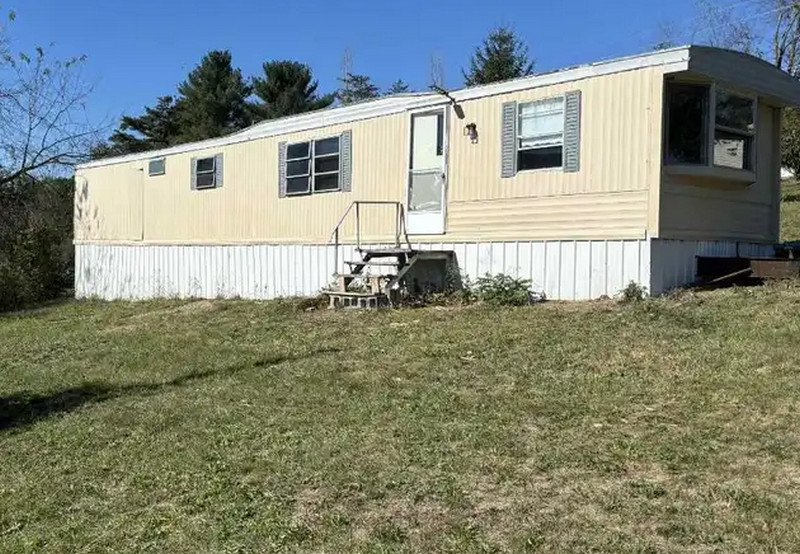
John, an experienced investor, found a mobile home priced far below market value due to years of neglect. After inspecting the property, he determined that the foundation and main systems were solid, but the home needed aesthetic updates and minor repairs. By carefully managing his renovation costs and sourcing affordable materials, John transformed the home into a modern, comfortable space.
Once completed, he marketed it as a stylish yet affordable housing option. The home sold quickly at a price that not only covered all expenses but also generated a solid profit margin. John’s success came from identifying undervalued assets and executing renovations efficiently.
Case Study 2: The Location Advantage
Sarah, another investor, purchased a fixer-upper in a growing suburban area where new developments were driving up property values. Despite significant renovation needs, she recognized the area’s long-term potential. Her investment focused on quality finishes, energy efficiency, and modern appeal.
When the renovations were complete, Sarah’s mobile home attracted multiple offers. She sold it for a premium, proving that the right combination of timing, location, and design can yield outstanding results.
Challenges and Risks to Consider
Although the profit potential of mobile home fixer-uppers is promising, investors must be aware of common challenges in this market.
- Market Fluctuations: Like any real estate investment, mobile homes are affected by economic changes. A downturn could temporarily lower resale values or reduce buyer demand.
- Financing Difficulties: Traditional lenders often hesitate to finance mobile home projects, especially if the home is not on owned land. Investors may need to rely on private loans or cash funding.
- Regulatory Barriers: Mobile home regulations can vary widely. Navigating zoning laws, title transfers, and building permits requires diligence and patience.
- Depreciation Risks: Unlike traditional homes, some mobile homes can depreciate faster over time if not maintained or located in less desirable parks.
Despite these challenges, careful planning and professional advice can help investors overcome risks and secure profitable outcomes.
FAQs About Mobile Home Fixer-Uppers
1. Are mobile home fixer-uppers a good investment?
Yes, when purchased and renovated wisely, they can generate strong returns with relatively low upfront costs.
2. How much profit can I expect from a mobile home renovation?
Profits vary, but many investors achieve margins between 20% and 40%, depending on market demand and renovation expenses.
3. What are common repairs needed in mobile home fixer-uppers?
Roofing, flooring, insulation, and electrical updates are typical areas requiring attention.
4. Can I get financing for mobile home investments?
Some lenders offer specialized mobile home loans, but private financing or cash purchases are often preferred.
5. Do I need a permit to renovate a mobile home?
Yes, most renovations—especially structural or electrical work—require permits from local authorities.
6. How long does it take to renovate a mobile home?
Depending on scope, most projects take four to eight weeks to complete.
7. What’s the best way to sell a renovated mobile home?
Use online platforms, social media, and local listings to reach a wider audience. Highlight affordability and upgrades.
8. Do mobile homes appreciate in value?
Well-maintained and updated mobile homes in desirable areas can appreciate, though typically slower than traditional homes.
9. Can I rent out a renovated mobile home?
Absolutely. Many investors generate consistent rental income, especially in areas with high housing demand.
10. Where can I get help buying or selling a mobile home?
You can visit The Mobile Home Dealer for professional assistance in buying, selling, or investing in mobile homes.
Final Thoughts
The profit potential of mobile home fixer-uppers lies in strategic decision-making, thorough research, and efficient execution. These investments combine low entry costs with growing demand for affordable housing, offering opportunities for both new and seasoned investors.
While challenges such as financing and regulations exist, the rewards often outweigh the risks when approached with proper planning. By learning from successful case studies and understanding market trends, investors can turn neglected mobile homes into valuable, income-generating assets.
Ultimately, with the right vision and effort, mobile home fixer-uppers can become a cornerstone of a profitable real estate portfolio—proving that even modest investments can lead to significant returns.