
Are you a mobile home first time buyer? Congratulations! Buying a mobile home can be a smart and affordable way to own a home. Whether you’re starting your journey as a homeowner or planning to downsize, understanding how the process works is key to making a confident purchase.
Let’s explore what you need to know before buying your first mobile home — from setting a budget to choosing between private land and community living.
Be Aware of Your Price Range
One of the first things every **mobile home first time buyer** should do is determine a realistic price range. Setting a budget helps you narrow down your options and avoid overspending. Start by reviewing your finances to find out how much you can afford for a monthly payment.
Consider both the purchase price and ongoing costs such as insurance, property taxes, utilities, and maintenance. This will give you a clearer picture of your total expenses and help you make smart financial decisions.
Keep in mind that mobile home prices vary depending on factors like size, age, amenities, and location. Research average prices in your preferred area so you know what to expect.
Also, explore available financing options. Compare terms and interest rates from different lenders to find one that suits your needs. Setting a clear budget early will make your buying journey smoother and stress-free.
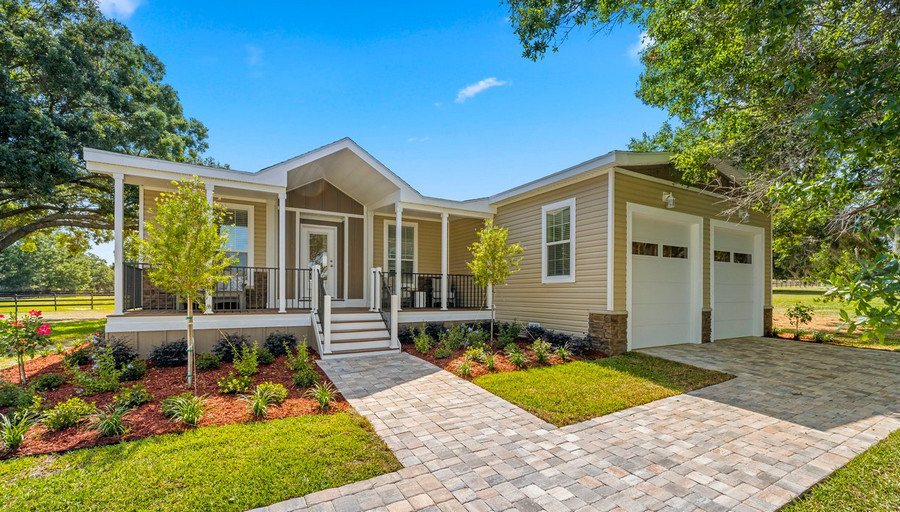
Why Budgeting Matters for First-Time Buyers
When you know your price range, you can focus on finding a home that fits your needs without financial strain. This planning step helps prevent future debt and ensures your investment remains manageable.
Private Land or Mobile Home Community?
One major decision you’ll need to make as a **mobile home first time buyer** is whether to place your home on private land or live in a mobile home community. Each option has its benefits and limitations.
If you value independence, private land might be ideal. You’ll have control over how your property is used and can customize your outdoor space freely. This setup is great for those who want privacy and long-term ownership.
However, mobile home communities offer convenience and shared amenities like pools, parks, and clubhouses. These areas also promote social interaction and community support.
On the downside, communities often have regulations regarding exterior design, landscaping, and maintenance. You’ll also need to pay lot rent or association fees.
Factors to Consider When Choosing a Location
Think about your priorities. Do you prefer independence or social living? Consider your lifestyle, budget, and long-term plans before choosing between land ownership and community life.
Know Your Must-Haves
Before purchasing, make a list of your must-haves. Determine how many bedrooms and bathrooms you need, what kind of layout you prefer, and what specific features matter most to you.
Ask yourself questions like:
Do I want a large kitchen or an open floor plan?
Is outdoor space important?
Should I be close to schools, work, or shopping centers?
New mobile homes often come with warranties and modern designs, while used ones may offer better prices but require upgrades. Decide what matters most to you before starting your search.
Balancing Needs and Budget
By knowing what you truly need, you can focus on homes that fit your lifestyle and finances. This approach saves time and helps you find the best possible match.
Plan for Additional Costs
Remember, the price tag isn’t the only cost when buying a mobile home. You should also plan for insurance, maintenance, and utility expenses.
Financing fees and interest rates can affect your overall cost, so review these carefully. Mobile home insurance may also differ from traditional homeowner coverage, so compare options before choosing a policy.
In addition, factor in maintenance and potential repair costs. Even though mobile homes are low-maintenance, they still require care to stay in good condition.
If you’re living in a community, don’t forget about monthly lot rent or association fees. These can vary depending on location and available amenities.
Understanding Long-Term Expenses
Setting aside a maintenance fund and understanding your recurring costs will help keep your finances stable. Planning for these ahead of time prevents unexpected stress later on.
FAQs About Buying a Mobile Home for the First Time
1. What is the first step for a mobile home first time buyer?
Start by setting your budget and reviewing financing options.
2. Do I need a down payment to buy a mobile home?
Yes, most lenders require a down payment, typically between 5% and 20%.
3. Can I buy a mobile home with bad credit?
It’s possible, but you may face higher interest rates or limited financing options.
4. Is it better to buy new or used?
New homes offer warranties and modern features, while used homes can be more affordable.
5. What’s the difference between mobile and manufactured homes?
Mobile homes were built before 1976; newer ones are called manufactured homes and follow stricter building standards.
6. Do mobile homes appreciate in value?
Typically, mobile homes depreciate, but proper maintenance and a good location can help retain value.
7. Can I move my mobile home to another location?
Yes, but relocation can be expensive and requires professional assistance.
8. What ongoing costs should I expect?
Expect to pay for insurance, utilities, maintenance, and possibly lot rent.
9. How long does a mobile home last?
With proper care, a mobile home can last 30–55 years or more.
10. Where can I find reliable sellers?
Check local listings, dealerships, or trusted companies like The Mobile Home Dealer.
Final Thoughts
Buying a mobile home can be a rewarding experience when you plan wisely. Understand your budget, research financing, and decide whether to live on private land or in a community. Knowing your must-haves and planning for extra costs will make your homeownership journey smoother.
For expert guidance and listings, visit The Mobile Home Dealer — a trusted resource for mobile home buyers.
See Also:
- How to Get a Perfect Appraisal for Your Mobile Home for Free in Florida
- Is There a Mobile Home For Sale in Florida Under $5,000?
- How to Find a Reputable Mobile Home Broker in Florida
- Mobile Homes For Sale in Florida With No Lot Rent: Do They Exist?
- How Long Will It Take to Sell My Mobile Home in Florida?