
Buying a fixer-upper mobile home can be an exciting way to enter the housing market without breaking the bank. For many, this approach provides a chance to create a personalized living space while keeping costs manageable. However, before diving into renovations, it’s essential to understand what this type of investment involves. Knowing the advantages, challenges, and best strategies can help you make a confident and informed decision.
The Pros of Buying a Fixer-Upper Mobile Home
When it comes to affordability and potential value, buying a fixer-upper mobile home offers several key benefits that attract first-time buyers and investors alike.
Affordability and Personalization
One of the biggest reasons people consider buying a fixer-upper mobile home is affordability. These properties are typically priced lower than move-in-ready options, giving budget-conscious buyers a more attainable path to homeownership. Lower upfront costs also free up funds for renovations, allowing you to tailor the home to your personal taste.
Additionally, fixer-uppers provide a creative outlet. You can choose your own finishes, layouts, and design features, turning the property into a reflection of your lifestyle. From installing modern fixtures to reimagining outdated spaces, personalization becomes one of the most rewarding aspects of owning a fixer-upper.
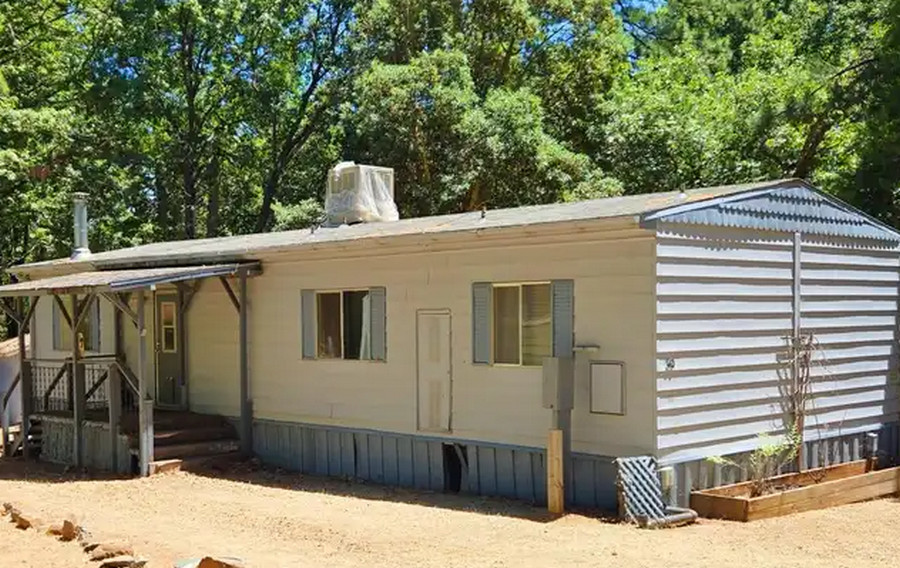
Equity and Learning Opportunities
Renovating a fixer-upper mobile home can also lead to equity growth. As you make improvements, the property’s value often increases, allowing you to build wealth over time. This makes it not only a living space but also a potential investment.
Furthermore, the process of restoring and upgrading your home can be an excellent learning experience. You’ll gain hands-on knowledge about maintenance, repairs, and home improvement projects—skills that can prove valuable for future properties.
Profit Potential and Long-Term Value
With thoughtful planning and quality upgrades, buying a fixer-upper mobile home can even become a profitable venture. If the home is purchased at a low price and renovated wisely, you could sell it later for a higher value. This makes fixer-uppers appealing for both personal homeowners and small-scale investors seeking affordable real estate opportunities.
The Cons of Buying a Fixer-Upper Mobile Home
Despite the appeal, buying a fixer-upper mobile home isn’t without challenges. It requires time, patience, and financial preparedness to ensure your investment pays off.
Hidden Costs and Unexpected Problems
While the initial purchase price may be low, renovation expenses can add up quickly. Hidden structural damage, plumbing issues, or electrical problems are common in older mobile homes. Without a detailed inspection, these issues can catch you off guard and stretch your budget thin.
To avoid surprises, it’s best to hire a professional home inspector before closing the deal. They can identify major problems and help you plan repairs accurately.
Time Commitment and Stress
Renovating a fixer-upper demands time and dedication. If you’re balancing work, family, and daily responsibilities, the constant maintenance and decision-making can feel overwhelming. Unexpected delays, budget overruns, and supply issues can also increase stress levels.
However, careful planning and realistic expectations can make the process more manageable. Creating a clear renovation timeline and tackling one project at a time can help maintain momentum without feeling burnt out.
Financing and Resale Challenges
Securing financing for a fixer-upper mobile home can sometimes be difficult. Lenders may hesitate to approve loans for homes that need significant repairs. You might need to explore renovation-specific loans or personal financing options to move forward.
Additionally, resale value depends on location, market trends, and the quality of renovations. Even after extensive upgrades, there’s no guarantee your home will appreciate substantially if the surrounding area doesn’t support higher property values.
Tips for Navigating the Fixer-Upper Journey
If you’re considering buying a fixer-upper mobile home, following a few key strategies can make your experience smoother and more rewarding.
Plan, Prioritize, and Budget Wisely
- Get a Professional Inspection: Always start with a thorough inspection to uncover potential issues. Knowing the true condition of the home helps you set realistic expectations and plan your renovation budget effectively.
- Create a Realistic Budget: Include repair costs, material expenses, and labor in your calculations. It’s also wise to set aside 10–20% of your budget for unexpected repairs.
- Prioritize Essential Repairs: Focus first on structural integrity, plumbing, and electrical systems before moving to aesthetic improvements. This ensures your investment is safe and sustainable.
- Balance DIY and Professional Work: While DIY projects can save money, hiring professionals for critical repairs ensures quality and compliance with local codes.
- Know Local Regulations: Each state or city may have specific building codes for mobile homes. Make sure your renovation plans meet these legal requirements.
Finally, consider the long-term potential of your investment. Even if you plan to live in the home for years, making improvements that appeal to future buyers can enhance resale value down the road.
Frequently Asked Questions
1. What is a fixer-upper mobile home?
A fixer-upper mobile home is a pre-owned home that requires repairs or renovations before it’s fully livable.
2. Is buying a fixer-upper mobile home worth it?
Yes, it can be worth it if you plan carefully, budget wisely, and are prepared for renovation challenges.
3. How much should I budget for repairs?
Budgets vary, but setting aside 20–30% of the purchase price for repairs is a good rule of thumb.
4. Can I get a loan for a fixer-upper mobile home?
Yes, but financing may require specialized renovation loans or personal loans since traditional mortgages can be harder to obtain.
5. What should I inspect before buying?
Check the roof, plumbing, wiring, floors, and foundation. A professional inspection is strongly recommended.
6. Is it cheaper to renovate or buy a new mobile home?
Renovating can be cheaper upfront, but it depends on the extent of the repairs and your renovation goals.
7. How long does it take to renovate a mobile home?
Small renovations can take a few weeks, while full remodels may take several months depending on scope and resources.
8. Can I live in my fixer-upper during renovation?
Yes, but expect some inconvenience, especially if major systems like plumbing or electricity need work.
9. How can I increase resale value?
Focus on high-impact upgrades like kitchen and bathroom improvements, energy-efficient windows, and updated flooring.
10. Where can I buy or sell a fixer-upper mobile home?
Visit The Mobile Home Dealer to explore listings and get expert guidance on buying or selling mobile homes.
Final Thoughts
Buying a fixer-upper mobile home can be both a challenge and a rewarding investment. It’s a practical option for those seeking affordability and creativity in homeownership. While it comes with potential pitfalls like hidden costs and financing hurdles, proper planning can minimize risks.
If you’re willing to put in the effort, a fixer-upper mobile home can transform into a comfortable, customized space that grows in value over time. With the right approach and expert advice from resources like The Mobile Home Dealer, you can turn your fixer-upper into a lasting and worthwhile investment.