
What are the requirements to own a mobile home is one of the first questions buyers ask before purchasing. Many people see mobile homes as an affordable path to homeownership. Yet ownership involves several legal, financial, and community-related steps. Buyers who understand these steps early avoid delays and unexpected costs later.
Mobile homes differ from traditional houses in several ways. Ownership rules depend on land status, financing type, and local regulations. For that reason, preparation plays a large role in a smooth purchase. Buyers who plan ahead often complete transactions faster and with fewer surprises.
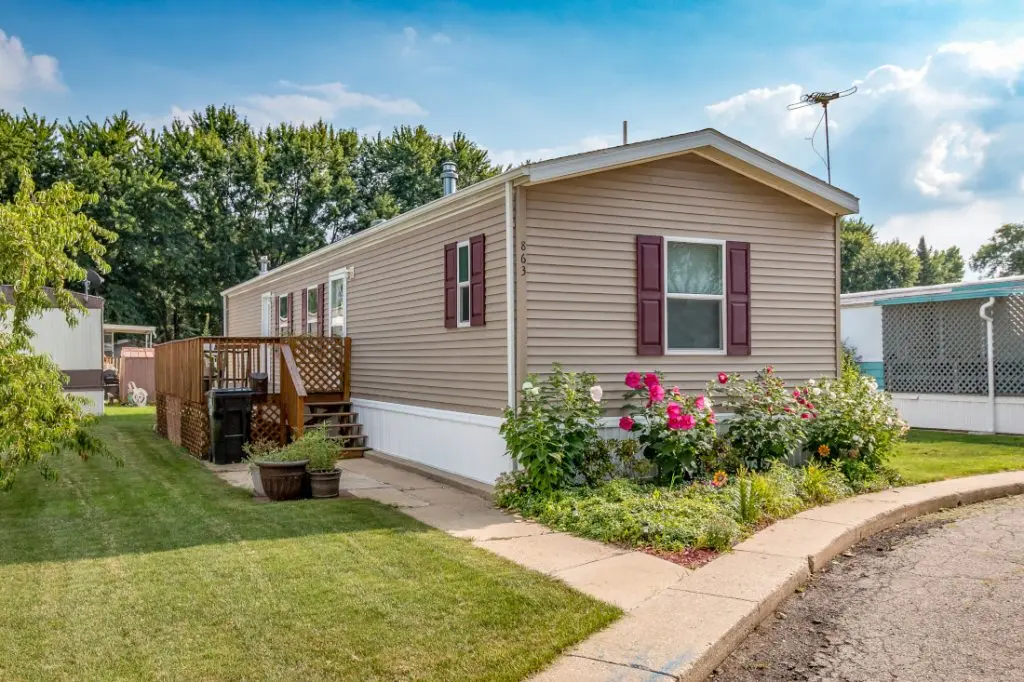
This guide explains the main requirements, documents, and responsibilities tied to mobile home ownership. Each section focuses on practical details buyers can apply immediately.
Legal Ownership Basics Every Buyer Should Know
A mobile home may be titled as personal property or real estate. The classification affects taxes, financing, and registration requirements. Many older homes remain titled like vehicles through a state agency. Newer homes placed on owned land often convert into real property.
Buyers must confirm ownership status before signing a purchase agreement. Title verification prevents disputes and protects against unpaid liens. Sellers must provide proper transfer documents during closing.
Local governments require registration updates after ownership changes. New owners typically submit paperwork within a set timeframe. Failure to complete registration may lead to penalties or delayed occupancy approval.
Zoning rules matter as well. Cities and counties regulate where mobile homes can sit. Buyers should verify zoning approval before moving a home or purchasing vacant land.
What Are the Requirements to Own a Mobile Home on Leased Land?
Many buyers choose homes located inside land-lease communities. In these communities, residents own the home yet rent the lot beneath it. Community approval often becomes part of the purchase process.
Park management usually reviews applications before allowing ownership transfers. Requirements vary by community but often include:
- Background screening and identity verification
- Proof of income or financial stability
- Credit history review
- Agreement to follow community rules
Applicants may pay an administrative or screening fee. Approval protects community standards and helps maintain long-term stability.
Lot rent forms part of monthly housing costs. Buyers should request written confirmation of current rent and future increases. Community rules may cover pets, parking, home appearance, and occupancy limits.
Financial Requirements and Budget Preparation
Financing a mobile home differs from financing a site-built house. Loan options depend on home age, location, and ownership classification. Buyers often use personal property loans, chattel loans, or traditional mortgages.
Lenders review income, debt levels, and credit scores during approval. Down payment expectations vary widely. Some loans require larger upfront payments compared to conventional home loans.
Buyers should plan for expenses beyond purchase price. Common ownership costs include:
- Monthly lot rent or land taxes
- Property taxes and registration fees
- Insurance coverage
- Utility connections and maintenance
Insurance requirements depend on location and lender rules. Coastal areas may require wind or flood coverage. Buyers benefit from requesting insurance quotes early during the buying process.
What Are the Requirements to Own a Mobile Home on Private Land?
Ownership requirements change when buyers place a home on land they own. Local building departments regulate installation standards and inspections. Homes must meet safety codes before occupancy approval.
Installation typically includes foundation setup, utility hookups, and anchoring systems. Licensed installers complete most setups to meet state guidelines. Inspections confirm structural stability and safety compliance.
Buyers must obtain permits before installation begins. Permit approval confirms zoning compatibility and infrastructure readiness. Counties may require septic inspections or water connection approvals.
Land ownership introduces additional responsibilities. Property taxes replace lot rent payments. Maintenance of driveways, utilities, and landscaping becomes the owner’s responsibility.
Documentation Needed During the Purchase Process
Proper paperwork protects buyers and sellers throughout the transaction. Missing documents often cause closing delays. Buyers should verify records early during negotiations.
Typical documents include:
- Certificate of title or deed
- Bill of sale
- Tax clearance confirmation
- Community approval letter if applicable
- Installation records for relocated homes
Title searches confirm the absence of liens or unpaid taxes. Buyers may request professional assistance during this step. Accurate documentation speeds registration after closing.
Buyers should keep copies of all paperwork permanently. These records help during resale, refinancing, or insurance claims later.
Inspection and Condition Requirements
Inspections help buyers understand the condition of the home before purchase. Many lenders require inspections before approving loans. Even cash buyers benefit from professional evaluations.
Inspectors review roofing, plumbing, electrical systems, and structural components. Older homes may require upgrades before financing approval. Safety issues discovered early reduce unexpected repair costs.
Some communities require exterior inspections before approving residency. Management may request repairs to siding, skirting, or landscaping. Buyers should ask for written inspection standards before purchase.
A clear inspection report allows buyers to negotiate repairs or pricing adjustments. This step protects long-term affordability and safety.
Community Rules and Lifestyle Expectations
Mobile home communities operate under written rules. Buyers agree to follow these rules after approval. Understanding expectations prevents conflicts after moving in.
Rules often address:
- Noise levels and guest policies
- Pet size or breed restrictions
- Exterior maintenance standards
- Parking guidelines
Community amenities may include pools, clubhouses, or recreation areas. Residents share responsibility for maintaining respectful behavior within shared spaces.
Buyers should request a full copy of community guidelines before signing contracts. Reading these documents helps confirm the community fits personal lifestyle preferences.
Moving, Setup, and Utility Requirements
Some buyers purchase homes that remain in place. Others move homes onto new lots or land. Moving a mobile home requires permits, transportation coordination, and utility setup planning.
Licensed movers handle transportation and structural preparation. State regulations govern road transport safety. Buyers must schedule utility connections before occupancy.
Utility requirements often include electricity, water, sewer, and internet setup. Service activation timelines vary by provider. Early scheduling prevents move-in delays.
Anchoring systems and skirting installation protect the home from weather exposure. Proper installation also meets insurance and lender requirements.
Long-Term Responsibilities of Mobile Home Ownership
Ownership continues long after closing day. Routine maintenance helps preserve property value and living comfort. Owners should inspect roofing, HVAC systems, and plumbing annually.
Budgeting for repairs supports long-term affordability. Small repairs handled early often prevent larger expenses later. Owners living in communities must maintain exterior appearance according to park rules.
Owners planning resale should maintain documentation of repairs and upgrades. Buyers often request maintenance records during future transactions. Organized records help speed resale approval.
Frequently Asked Questions
Do I need good credit to buy a mobile home?
Credit requirements vary by lender. Some programs accept moderate credit scores with larger down payments.
Can I finance an older mobile home?
Yes, though loan options may narrow depending on age and condition.
Do mobile homes require insurance?
Most lenders and communities require insurance before occupancy.
Can I place a mobile home on any land?
Local zoning rules must allow mobile home placement before installation.
Is community approval always required?
Approval applies mainly to homes inside land-lease communities.
Are property taxes required?
Taxes depend on whether the home qualifies as personal or real property.
Can I rent out my mobile home?
Some communities allow rentals, though rules differ by location.
Do I need inspections before buying?
Inspections help identify repairs and support financing approval.
How long does ownership transfer take?
Transfers often complete within a few weeks after paperwork submission.
Can I move my mobile home later?
Yes, though moving requires permits and professional transport services.
Owning a mobile home offers an accessible path into homeownership for many buyers. Learning what are the requirements to own a mobile home helps buyers prepare financially, legally, and practically before purchasing. With proper planning and clear expectations, buyers can move forward confidently and enjoy stable, affordable housing.