
The foundation of a building is its most critical element, ensuring stability, durability, and safety. Among the various foundation types, the mobile home concrete runner foundation has gained attention for its practicality and cost-effectiveness. This guide explores its components, construction process, benefits, limitations, and why it could be the ideal choice for your mobile home.
Understanding Foundations
Foundations distribute the building’s weight evenly to the soil or bedrock below. This prevents uneven settling, structural damage, or collapse. Choosing the right foundation depends on several factors: soil type, moisture levels, building weight, and climate. Proper planning ensures your structure remains safe and secure for years.
Defining the Concrete Runner Foundation
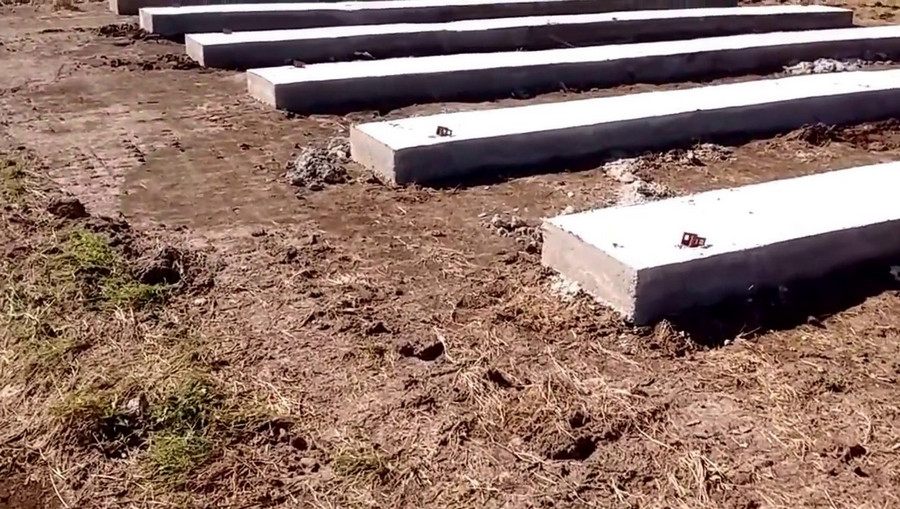
A concrete runner foundation, also called a grade beam foundation, features reinforced concrete beams supporting the building’s walls. These beams, or “runners,” run along the ground, typically along the longer sides of the home.
How It Supports Your Home
The runners act as solid, linear supports, distributing weight evenly along the structure’s length. This method is particularly suitable for rectangular-shaped mobile homes. Because the runners rest directly on prepared footings, they provide a durable base for lightweight structures while maintaining flexibility for various soil conditions.
Components and Construction
The construction of a concrete runner foundation involves several steps:
- Footings: Dug at intervals beneath the runners, footings extend below the frost line to prevent movement during freeze-thaw cycles.
- Reinforcement: Steel rebar is strategically placed within the runners to strengthen the concrete and prevent cracking.
- Pouring: High-quality concrete is poured into the forms, shaping the runners according to building size and weight requirements.
- Wall Support: Once cured, the runners act as the base for the walls, providing a stable and level platform for construction.
Streamlined Construction Process
This approach is simpler and faster than full-slab foundations. It reduces labor and material needs while maintaining structural integrity, making it ideal for mobile homes and modest constructions.
Advantages of a Concrete Runner Foundation
Concrete runner foundations offer multiple benefits:
- Cost-Effective: Reduced materials and labor costs make it more affordable than full-slab alternatives.
- Versatility: Works well on various soils, including clay and sandy humus soils, while distributing weight evenly.
- Flood Resistance: Elevates the structure, helping prevent water intrusion during minor flooding.
- Ease of Installation: Fewer construction complexities allow quicker setup compared to other foundations.
Why Builders Choose Runners
Their combination of affordability, adaptability, and stability makes concrete runner foundations particularly attractive for mobile homes. Transitioning from concept to finished foundation is smoother than with more intricate designs.
Limitations and Considerations
Despite advantages, certain considerations must be addressed:
- Insulation: The elevated design leaves a gap between the ground and structure, requiring insulation to maintain energy efficiency.
- Pest Control: Open space beneath the home can attract rodents or insects, so regular inspections and barriers are necessary.
- Load Limitations: Not suitable for exceptionally heavy or multi-story structures; best for single-story mobile homes.
Planning for Longevity
Considering these factors ensures the foundation remains functional and protective over time. Proactive measures can prevent energy loss, pest problems, and structural issues.
FAQ
1. What is a concrete runner foundation?
It’s a reinforced concrete beam foundation supporting walls along the length of a structure, often used for mobile homes.
2. Is it suitable for all soil types?
Yes, it works well on clay, sand, and humus soils with proper footings.
3. How does it compare to a full-slab foundation?
It is more cost-effective, easier to install, and uses fewer materials.
4. Can it elevate a home in flood-prone areas?
Yes, elevating the home helps prevent water damage during minor flooding.
5. Do I need steel reinforcement?
Absolutely. Rebar strengthens the runners and prevents cracking.
6. Is insulation necessary?
Yes, the space beneath the home must be insulated for energy efficiency.
7. Can it support multi-story buildings?
No, it’s best suited for single-story or lightweight structures like mobile homes.
8. How long does construction take?
Typically faster than full-slab foundations due to simpler setup and less concrete use.
9. How do I prevent pests under the home?
Install barriers, perform inspections, and seal access points.
10. Where can I find more mobile home resources?
Visit The Mobile Home Dealer for guides and tips.
Bottom Line
A mobile home concrete runner foundation offers a practical, cost-effective, and stable solution for lightweight structures. By understanding its construction, benefits, and limitations, homeowners can make informed decisions. Proper insulation, pest prevention, and adherence to load guidelines ensure safety and longevity. Consulting professionals during planning and installation maximizes the foundation’s performance, making it a reliable choice for mobile homes.