
How long people keep their mobile homes is a common question for prospective buyers. According to the HUD (Department of Housing and Urban Development), the expected life of a manufactured home ranges from 30 to 55 years. With careful maintenance, this lifespan can extend even further.
Manufactured homes can endure as long as conventional homes if they receive proper care. In fact, a 2018 Federal Housing Finance Agency report shows that manufactured homes maintain the same resale value as site-built homes. Reference: Urban Institute Report
The Manufactured Housing Institute states that the average lifespan of a manufactured home is 55.8 years. With proper care, these homes may even last indefinitely. Modern construction materials and improved designs ensure durability comparable to traditional houses.
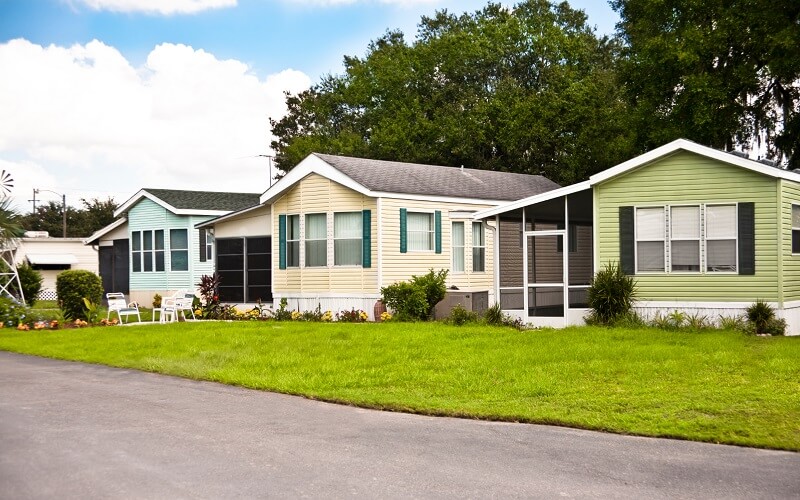
Since 1976, prefabricated homes have been called manufactured homes, reflecting advancements in construction techniques. With consistent upkeep, homeowners can enjoy decades of comfort without worrying about early deterioration.
Factors That Influence Mobile Home Longevity
A home’s lifespan is often influenced by climate. In places like Florida, high humidity and frequent rainfall can accelerate the degradation of materials like fiberboard and particle board. Despite this, indoor construction protects homes from the elements, ensuring consistent quality.
Manufactured homes are built in controlled factory settings, which guarantees precision and adherence to HUD standards. Materials such as wood, metal, and piping are kept dry, reducing construction waste and ensuring durability. Furthermore, HUD inspectors verify quality before each home leaves the factory.
According to the Federal Housing Finance Agency, prefabricated homes retain value similarly to site-built homes. Therefore, the expected life of a manufactured home can be comparable to conventional housing if managed well.
HUD has strictly monitored manufactured home quality since 1976, making these homes some of the most thoroughly inspected on the market. Factory inspections occur multiple times per month, covering every stage of construction.
What Doesn’t Affect Manufactured Home Durability
Contrary to some misconceptions, the construction materials or methods do not determine a shorter lifespan. Mobile homes use the same high-quality materials as conventional homes, but they are lighter due to a simplified frame.
During construction, a skilled team ensures precision in walls, ceilings, and flooring. The controlled environment reduces errors and guarantees consistent quality, which positively affects long-term durability.
Furthermore, regulations introduced in 1976 established strict HUD codes for safety and construction. Compliance with these rules ensures that all new manufactured homes meet high standards for durability and longevity.
Key Factors That Affect Lifespan
Even if your home meets HUD standards, the following can impact its longevity:
-
Incorrect setup
-
Cracks in the foundation
-
Accidental flooding or water damage
Incorrect Setup
Improper installation can lead to foundation damage, which affects the structural integrity of your home. Professional installation is critical to ensure stability and minimize future issues.
Cracks in the Foundation
A damaged foundation can cause doors to stick, walls to crack, and plumbing issues. Regular inspection can prevent these problems from escalating.
Accidental Flooding or Water Damage
Water can severely damage a manufactured home. Even minor leaks should be addressed immediately to prevent costly long-term damage. Maintaining the home’s exterior and keeping it sealed and painted in wet climates is essential.
Ways to Extend the Life of Your Manufactured Home
Although most homes last 30-50 years, you can prolong this by taking proactive measures:
Choose the Right Location
Selecting a solid foundation and a well-drained site is crucial. Property value often increases with a well-chosen location, ensuring long-term stability.
Pre-Purchase Property Checkup
Regular inspections help detect foundation shifts, leveling issues, and other potential hazards. This prevents minor issues from becoming major repairs.
Maintain the Roof
A well-maintained roof protects against leaks. Rolled steel roofs, common in older homes, require resealing and regular upkeep, including gutter cleaning.
Install Skirting
Skirting keeps pests away while providing ventilation to prevent water damage and mold.
General Maintenance
Routine checks, electrical inspections, and plumbing repairs extend the home’s life. Ensuring windows and doors function correctly and sealing potential water entry points are key strategies.
When to Consider Selling or Scrapping
If repair costs exceed your home’s market value, it may be time to sell. Some mobile home parks have maximum age limits, and relocation expenses can influence the decision. Selling the home to someone who can use it, or scrapping it, might be necessary.
Debunking the Short Lifespan Myth
Many believe manufactured homes have shorter lifespans than traditional homes. This misconception stems from media coverage during severe weather events and FEMA’s temporary housing units, which are not built to the same quality. Manufactured homes built to HUD standards are durable and long-lasting.
FAQ: Expected Life of a Manufactured Home
How long do manufactured homes typically last?
Most last between 30-55 years with proper care.
Does climate affect lifespan?
Yes, high humidity or frequent rainfall can shorten lifespan without maintenance.
Do modern manufactured homes last longer?
Yes, improved materials and construction techniques extend durability.
Can foundation issues reduce life expectancy?
Absolutely. Cracks or improper setup can cause major structural problems.
Are HUD inspections necessary?
Yes, HUD ensures compliance with safety and quality standards.
How can I extend my home’s lifespan?
Regular maintenance, proper installation, and roof care are crucial.
Do water leaks significantly impact longevity?
Even minor leaks can cause serious damage if not addressed quickly.
Is resale value affected by age?
Manufactured homes retain similar value to site-built homes if maintained.
Do temporary FEMA homes represent true manufactured homes?
No, FEMA units are designed for short-term use and not built to HUD standards.
Should I sell if repairs exceed value?
Yes, it’s financially wise to sell before the cost of repairs outweighs the home’s worth.
Bottom Line
Even though the expected life of a manufactured home averages 30 to 55 years, proper installation, careful site selection, and diligent maintenance can extend this considerably. Manufactured homes are built with quality materials, inspected regularly, and can offer long-lasting comfort for decades.
For buyers or sellers exploring manufactured homes, The Mobile Home Dealer provides guidance to help you make the best decisions. Visit The Mobile Home Dealer for more information.
Great insights! I never realized how much maintenance can impact the lifespan of a manufactured home. It’s encouraging to know that with proper care, they can last for a long time. Thanks for sharing this valuable information!
Thanks for the comment, happy you found value in the blog post!
This was a really informative post! It’s great to know the expected lifespan of manufactured homes and factors that can influence it. I appreciate the insights on maintenance and upgrades too—they’re definitely important for longevity. Thanks for sharing!
Happy to hear you are enjoying our content!