
What regular maintenance do mobile homes require is a common question among buyers and owners alike. Mobile homes need consistent care so systems work properly and living spaces remain comfortable year after year. Regular attention helps prevent small issues from becoming expensive repairs later.
At The Mobile Home Dealer, many buyers ask how maintenance compares with site-built homes. Mobile homes share many maintenance needs with traditional houses. Yet, certain features require closer monitoring. For example, skirting, tie-down systems, and roofing materials need periodic checks.
Routine maintenance improves comfort and protects long-term value. Owners who follow a schedule often experience fewer emergency repairs. At the same time, maintenance tasks stay manageable when completed regularly instead of all at once.
Transitioning into seasonal habits makes upkeep easier. Owners who create simple checklists usually stay organized. Over time, these habits become part of normal homeownership.
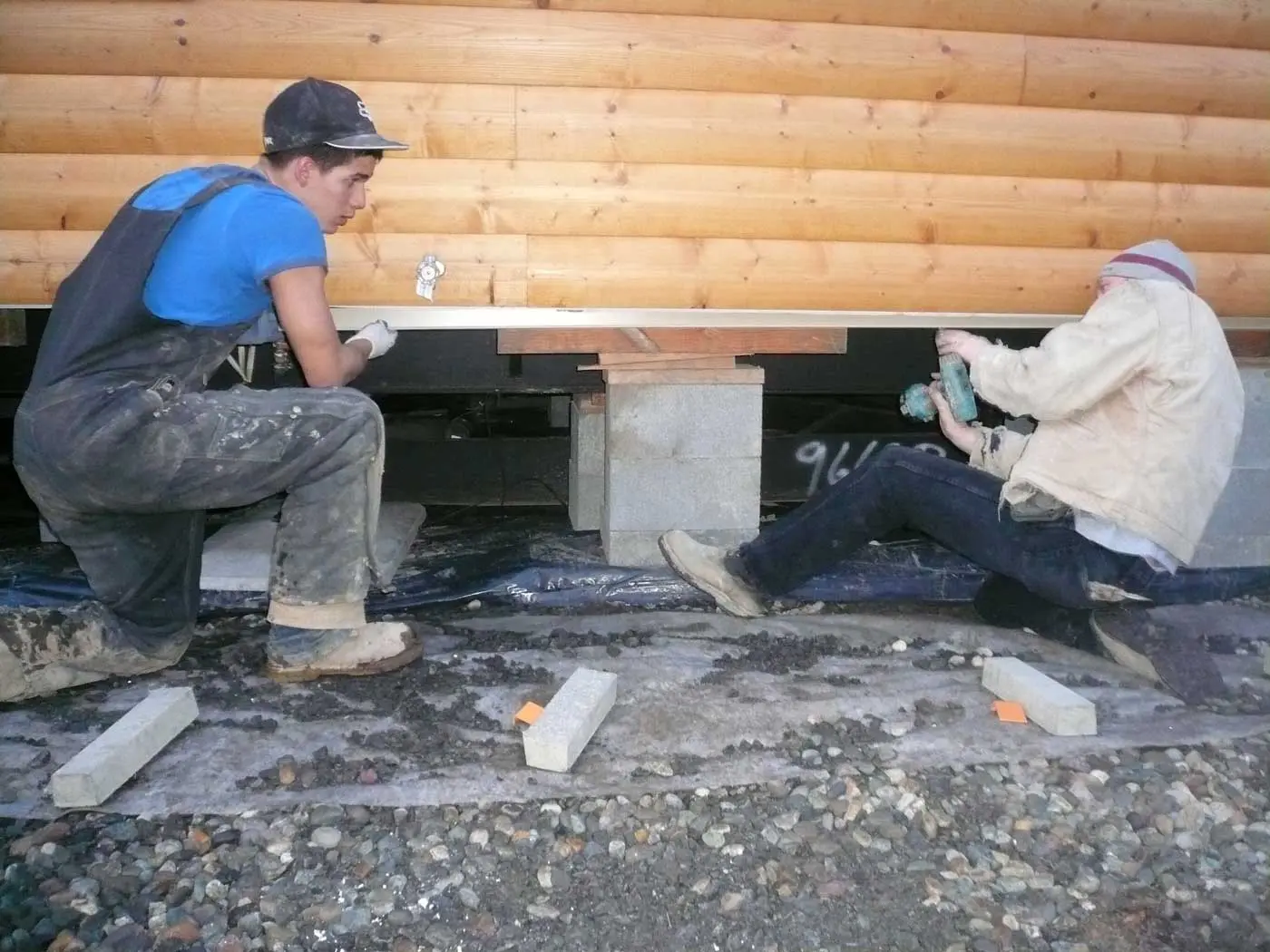
Exterior Maintenance Every Mobile Home Owner Should Schedule
Exterior care protects the structure from moisture, weather exposure, and temperature changes. Regular inspections help identify early warning signs before damage spreads.
Start with the roof. Mobile home roofs expand and contract with changing temperatures. Small cracks may appear near seams or vents. Sealing those areas early prevents water intrusion.
Next, inspect siding and trim. Loose panels allow moisture and pests inside wall cavities. Cleaning siding twice yearly keeps buildup from causing stains or decay.
Pay attention to skirting as well. Skirting protects plumbing and insulation underneath the home. Damaged panels allow animals and debris underneath, which can lead to pipe problems.
Common exterior maintenance tasks include:
- Inspect roof seams and reseal when needed
- Clean gutters and downspouts twice yearly
- Check skirting panels for gaps or cracks
- Wash siding to remove dirt and mildew
These simple steps help maintain structural stability across changing seasons.
What Regular Maintenance Do Mobile Homes Require for Plumbing Systems?
Plumbing maintenance plays a major role in preventing water damage. Mobile home plumbing often runs beneath the structure, making protection especially important.
Start by checking for leaks under sinks and near water heaters. Even slow drips increase water bills and weaken flooring over time. Insulating exposed pipes reduces freezing risks during colder weather.
Water heaters need flushing once a year. Sediment buildup reduces heating efficiency and shortens equipment life. Replacing worn hoses on washing machines prevents sudden failures.
Watch water pressure closely. High pressure strains pipe connections and fixtures. Installing a pressure regulator helps extend plumbing system life.
Plumbing upkeep often includes:
- Inspect supply lines and drain connections
- Flush water heater annually
- Insulate exposed pipes
- Monitor water pressure levels
Regular checks reduce unexpected repairs and maintain steady water flow throughout the home.
Heating, Cooling, and Ventilation Maintenance
Comfort inside a mobile home depends on efficient airflow and temperature control. Heating and cooling systems require steady attention to operate properly.
Change air filters every one to three months. Dirty filters restrict airflow and increase energy usage. Clean vents and registers to keep circulation consistent throughout rooms.
Ductwork inspections help identify loose connections or dust buildup. Sealing ducts improves efficiency and maintains balanced airflow. Thermostat testing confirms accurate temperature readings.
Air conditioning units benefit from seasonal servicing. Cleaning condenser coils removes debris that blocks airflow. Heating systems should receive inspections before colder months begin.
Owners who maintain HVAC systems often notice improved indoor comfort. Energy costs remain more predictable when equipment runs efficiently.
Interior Maintenance That Protects Daily Living Spaces
Interior upkeep focuses on preventing wear and protecting finishes. Floors, walls, and fixtures experience daily use, so periodic inspections help maintain their condition.
Start with flooring checks. Soft spots may signal moisture issues below. Addressing the cause early prevents structural damage.
Windows and doors should open and close smoothly. Replacing worn weatherstripping reduces drafts and improves indoor comfort. Sealing small gaps keeps insects outside.
Kitchen and bathroom areas need extra attention. Moisture levels remain higher in these rooms. Recaulking sinks, tubs, and backsplashes prevents water from seeping into walls.
Interior maintenance often includes:
- Inspect flooring for soft or uneven areas
- Replace worn weather seals on doors and windows
- Recaulk bathrooms and kitchen surfaces
- Test smoke detectors monthly
These routine actions support safe and comfortable living conditions.
Foundation, Leveling, and Structural Checks
Mobile homes depend on proper leveling for stability. Over time, soil movement or settling may shift support points underneath the home.
Uneven floors, sticking doors, or wall cracks may signal leveling issues. Professional releveling restores balance and prevents stress on plumbing and framing.
Tie-down systems help secure the home against strong winds. Inspect anchors periodically for corrosion or loosened straps. Tightening connections maintains structural safety.
Crawlspace inspections allow owners to check insulation and moisture barriers. Standing water beneath the home requires immediate attention.
Structural maintenance includes:
- Inspect tie-down straps annually
- Check for signs of uneven flooring
- Examine insulation under the home
- Schedule releveling when needed
Maintaining stability protects both comfort and long-term durability.
Seasonal Maintenance Planning Made Simple
Seasonal planning makes maintenance easier to manage. Dividing tasks across the year prevents overload and keeps systems working smoothly.
Spring is ideal for exterior inspections and gutter cleaning. Summer works well for cooling system maintenance and siding cleaning. Fall focuses on sealing gaps and preparing heating systems. Winter checks include monitoring insulation and preventing frozen pipes.
Creating a maintenance calendar helps homeowners stay consistent. Many owners prefer monthly reminders for smaller tasks. Over time, maintenance becomes predictable and less stressful.
Consistent scheduling reduces emergency repairs and helps owners budget for upkeep more effectively.
How Preventive Care Protects Mobile Home Value
Buyers often ask what regular maintenance do mobile homes require before purchasing. A well-maintained home typically attracts stronger buyer interest. Clean systems and documented upkeep show responsible ownership.
Preventive care extends the lifespan of major components like roofing, HVAC equipment, and plumbing. Small repairs completed early cost far less than large replacements later.
Maintenance records help during resale. Buyers appreciate transparency and confidence in the home’s condition. Sellers often experience smoother transactions when the maintenance history is clear.
Regular care supports comfort, safety, and property value throughout ownership.
Common Maintenance Mistakes Owners Should Avoid
Many maintenance issues occur from delayed inspections. Waiting too long allows minor problems to spread into structural concerns.
Ignoring roof maintenance ranks among the most common mistakes. Small leaks often go unnoticed until interior damage appears. Skipping filter changes also reduces HVAC efficiency and increases energy costs.
Another mistake involves blocking crawlspace ventilation. Proper airflow prevents moisture buildup beneath the home.
Avoid these common errors:
- Delaying small repairs
- Skipping seasonal inspections
- Ignoring minor leaks
- Forgetting HVAC filter replacements
Addressing problems early keeps maintenance manageable and predictable.
FAQ About Mobile Home Maintenance
How often should a mobile home roof be inspected?
Inspect the roof at least twice yearly and after major storms.
How frequently should HVAC filters be changed?
Replace filters every one to three months based on usage.
Do mobile homes need releveling?
Yes, most homes require leveling checks every few years.
How can owners prevent frozen pipes?
Pipe insulation and sealing drafts help prevent freezing.
Is skirting maintenance necessary?
Yes, intact skirting protects plumbing and insulation underneath.
How often should gutters be cleaned?
Clean gutters at least twice yearly or after heavy debris buildup.
Should plumbing connections be checked regularly?
Yes, periodic inspections help detect leaks early.
What interior areas need the most maintenance?
Bathrooms and kitchens need frequent moisture checks.
Does maintenance affect resale value?
Yes, consistent upkeep helps attract buyers and support pricing.
Can owners perform most maintenance tasks themselves?
Many tasks are simple, though structural work may require professionals.
Regular upkeep keeps a mobile home comfortable, safe, and dependable year after year. Owners who understand what regular maintenance do mobile homes require often experience fewer repairs and better long-term performance. Consistent inspections, seasonal planning, and timely repairs support a smooth ownership experience and help maintain property condition over time.