
A mobile home purchase is a smart move for buyers looking for affordable and flexible living. Whether you’re retiring, downsizing, or just getting started, mobile homes offer comfort without the large price tag of traditional housing.
Still, buying one requires careful thought. You need to understand what you’re getting into, how the process works, and what to look out for. Below, we break it down in clear, simple terms so you can make your next move with confidence.
Why People Choose Mobile Homes
More Americans now consider mobile homes a real housing option. Prices for site-built homes continue to rise, and many are priced out of the market. That’s where mobile homes come in.
Mobile homes provide:
- Lower upfront cost
- Faster move-in timelines
- Lower property taxes
- Easier maintenance
These homes are also great for retirement communities or people wanting less house to manage. Because of this, more people make a mobile home purchase each year.
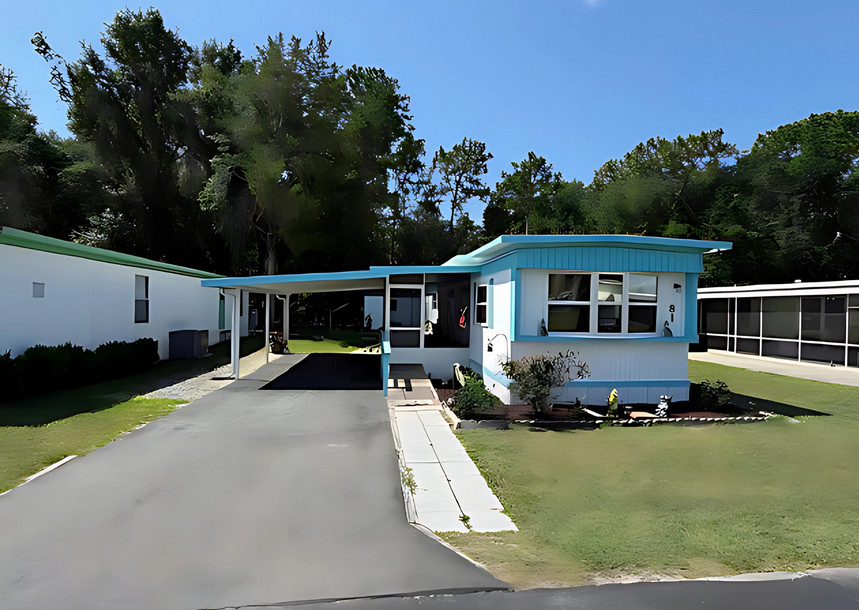
Is a Mobile Home Right for You?
Before buying, ask yourself:
- Do you want to live in a community or on private land?
- What size home fits your lifestyle?
- Do you prefer a new home or a resale?
- How much space do you need?
If you want lower costs and flexibility, this could be the right path. Just make sure you understand the process, which can differ from a site-built home.
How to Start Your Mobile Home Purchase
Start by figuring out your budget. Know how much you can afford before looking. Then decide if you want a new or used mobile home.
Here’s a basic step-by-step:
- Set a budget
- Check financing options
- Choose new or used
- Find a dealer or owner to buy from
- Inspect the home
- Close the deal and plan your move
You don’t need to rush. Take time to compare options and ask questions.
Understanding Mobile Home Types
Not all mobile homes are the same. You’ll find three basic types:
- Single-wide: Narrow and compact, easy to place and move
- Double-wide: Wider with more space, ideal for families
- Triple-wide: Largest option, often as spacious as a traditional house
Think about your long-term plans. If you might expand your family or work from home, more space might help. If you travel often or want to move later, smaller may be better.
Mobile Home Purchase vs Traditional Home Buying
The mobile home purchase process is quicker and has fewer steps. But it also comes with differences you should know:
✅ Mobile homes may not include land
✅ You may rent space in a park
✅ Some lenders won’t finance older models
✅ Mobile homes depreciate faster than site-built homes
This doesn’t make them a bad choice. It just means you should plan ahead and stay informed.
How to Finance a Mobile Home Purchase
Financing can work in a few different ways. Some buyers pay in cash, but many still need loans.
Here are common financing options:
- Personal loans
- Chattel loans (for the home only)
- FHA loans (for newer models on owned land)
- VA loans (for veterans, certain limits apply)
Some lenders require higher credit scores. Others ask for proof the home meets HUD standards. Be prepared with your documents and ask lenders what they require.
Common Mistakes to Avoid
Mobile home buyers sometimes make easy-to-avoid mistakes. Here’s how to steer clear:
- Don’t skip inspections. Hidden issues can cost you later.
- Don’t forget about park rules. Some communities have strict rules.
- Don’t overpay. Compare prices before agreeing.
- Don’t ignore resale value. Some models sell faster than others.
Check the home’s title, age, condition, and any fees tied to the park or property. Always read everything before you sign.
Where to Buy a Mobile Home
You can buy from several sources:
- Dealers
- Direct from the owner
- Through a real estate agent
- Online marketplaces
Each option has pros and cons. Dealers offer warranties and services, but prices can be higher. Owners may give better deals, but there’s more risk.
Always check reviews or ask for references before choosing a seller.
What to Look for During Home Tours
While walking through a mobile home, look at:
- Roof condition
- Floor level and softness
- Wall cracks or signs of leaks
- Window condition
- Water heater and plumbing
Bring a checklist with you. If something seems off, ask questions. Don’t be afraid to walk away if a home has too many red flags.
What Happens After the Purchase
Once your mobile home purchase is complete, it’s time to move in or set up the home on your lot. If the home needs to be moved, hire a licensed mover. Make sure utilities are connected properly.
Also:
- Register the title with your local authority
- Keep a copy of the bill of sale
- Inform your insurance provider
That’s it—you’re ready to enjoy your new space.
Frequently Asked Questions
What is a mobile home purchase?
A mobile home purchase means buying a factory-built home that is movable and often placed in a park or on private land.
Do I need to own land to buy a mobile home?
No. Many buyers rent a lot in a mobile home park instead of buying land.
Can I finance a used mobile home?
Yes, but some lenders may have restrictions based on the age or condition of the home.
How long do mobile homes last?
With good maintenance, they can last 30 to 55 years or more.
What are park fees?
These are monthly fees you pay for renting a space in a mobile home community. They may include utilities.
Can I remodel a mobile home?
Yes, but some parks or lenders may have rules about structural changes.
Do mobile homes come with warranties?
New homes often include warranties. Used homes typically do not.
Is insurance required?
Yes. Most states and parks require proof of mobile home insurance.
Do mobile homes increase in value?
Most depreciate over time, but well-kept homes in good locations may hold value better.
What’s the difference between a manufactured and mobile home?
Technically, homes built after June 15, 1976, are called manufactured homes. Older ones are mobile homes.
Final Thoughts
A mobile home purchase offers a real way to own without overpaying. It’s fast, flexible, and affordable—if you plan well. Know your budget, check the home’s condition, and ask questions before buying.
Whether you’re downsizing or just starting out, this option could be the right fit. With fewer steps than traditional home buying, you can get settled sooner and enjoy the perks of mobile living.