
Ensuring accessibility in mobile homes is essential for individuals with mobility challenges. Limited space and unique layouts make this task difficult, but with proper planning and the right solutions, mobile homes can become fully accessible. This guide explores the importance, challenges, and practical strategies for building and choosing wheelchair ramps for mobile homes, offering insights for homeowners, caregivers, and builders alike.
The Challenges of Wheelchair Ramps in Mobile Homes
Mobile homes’ compact designs create challenges for installing ramps that meet slope and length standards. Limited space often prevents traditional ramp installations. However, innovative solutions allow homeowners to maintain accessibility without compromising safety or aesthetics.
Modular and telescopic ramps are highly effective in these situations. They are adjustable to fit the available space while adhering to ADA slope requirements. These ramps provide functionality and blend seamlessly with the home’s exterior design, enhancing overall appeal.
Innovative Accessibility Solutions
Vertical platform lifts offer another option. These lifts occupy less space than traditional ramps and can be installed near doorways, giving users easier access. When doorways are narrow, swing-away or expandable hinges can provide the necessary width for wheelchair entry.
By combining these solutions, mobile homeowners can ensure accessibility without major renovations or sacrifices in space. Transitioning from conventional to adaptive approaches allows both convenience and compliance with safety standards.
Why Wheelchair Ramps Are Essential
Wheelchair ramps do more than facilitate entry and exit—they provide independence. Individuals with mobility issues can navigate daily life, attend medical appointments, visit friends, and maintain autonomy without relying on constant assistance. Accessibility ramps transform mobile homes into safe, inclusive spaces.
Assessing Your Needs
Planning is key before installing wheelchair ramps for mobile homes. Start by evaluating the wheelchair user’s requirements, including type (manual or electric), physical capabilities, and frequency of use. Measure the entryway’s height and calculate the necessary ramp slope to determine the appropriate ramp length and style.
Additionally, assess surrounding space. The available area influences design choices and installation logistics. Professionals can provide guidance to ensure compliance with ADA and local building codes. Consultation with healthcare providers or occupational therapists helps identify the optimal ramp type and configuration.
Planning for Functionality
Consider long-term use. Frequent use may require durable materials and permanent structures, while occasional use may justify portable ramps. Proper planning ensures safety, comfort, and practicality for daily life.
Length Requirements Based on ADA Guidelines
The Americans with Disabilities Act (ADA) specifies that ramps should have a slope of 1:12, meaning one foot of ramp per inch of rise. Mobile homes’ limited space can make compliance challenging, but modular and telescopic ramps provide flexible solutions without violating standards. Adhering to these guidelines ensures safe, usable access for all users.
Material Options for Durability and Aesthetics
Material selection is crucial for longevity and appearance. Common options include:
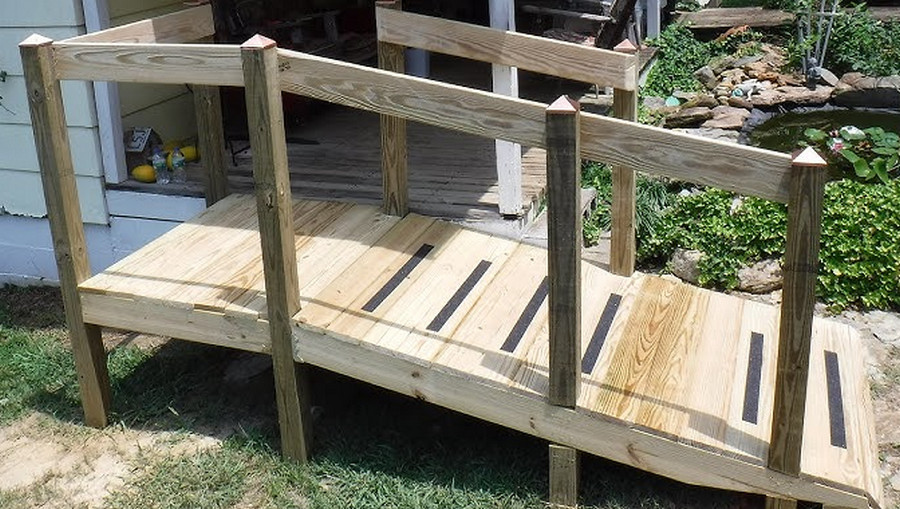
- Wood Ramps: Provide a natural aesthetic but require regular maintenance to prevent wear and rot.
- Aluminum Ramps: Lightweight, durable, and low-maintenance. Resistant to corrosion, making them ideal for outdoor use.
- Rubber and Composite Ramps: Budget-friendly, slip-resistant, and low-maintenance, though less visually appealing than wood.
Balancing cost, durability, maintenance, and aesthetics ensures the ramp meets both functional and visual requirements.
Types of Wheelchair Ramps
Choosing the right ramp type depends on user needs and mobility challenges. Options include:
- Solid Ramps: Permanent, sturdy, and durable; limited portability.
- Single Fold Ramps: Portable, affordable, suitable for occasional use.
- Multi-Fold Ramps: Foldable multiple times, adaptable for higher elevations; balance portability and stability.
- Telescoping Track Ramps: Extendable, adjustable, highly portable; suitable for varying heights.
Pros and Cons of Each Ramp Type
- Solid Ramps: Stable and durable; expensive and non-portable.
- Single Fold Ramps: Affordable and portable; less stable, suitable for lower elevations only.
- Multi-Fold Ramps: Versatile and portable; moderate stability, higher cost.
- Telescoping Ramps: Adjustable and portable; may be less stable, higher price.
Safety Considerations
Prioritize safety when selecting a ramp. Ensure a non-slip surface, adequate railings, proper width, and manageable slope. Always follow ADA and local building codes. Professional installation guarantees security, and regular inspections maintain safety and usability over time.
FAQ
1. What are the best wheelchair ramps for mobile homes?
Modular, telescopic, and vertical platform lifts are ideal for mobile homes due to space limitations and flexibility.
2. How steep can a ramp be for a mobile home?
ADA recommends a slope of 1:12—one foot of ramp for each inch of rise.
3. Are portable ramps safe?
Yes, if they are properly installed, stable, and have non-slip surfaces.
4. Which materials are most durable?
Aluminum and composite ramps are durable, low-maintenance, and weather-resistant.
5. Can wheelchair ramps be customized?
Yes, ramps can be tailored for height, slope, length, and doorway width.
6. Do I need professional installation?
Professional installation ensures ADA compliance, safety, and stability.
7. Are ramps necessary for all mobile homes?
Not always, but they are essential for residents with mobility challenges to maintain independence.
8. How do vertical lifts compare to ramps?
Vertical lifts occupy less space, are easier for small entries, but usually cost more.
9. Can single-fold ramps handle frequent use?
They are best for occasional use; frequent use may require more durable options.
10. Where can I find guidance on mobile home accessibility?
Visit The Mobile Home Dealer for resources on accessible mobile home solutions.
Bottom Line
Installing wheelchair ramps for mobile homes transforms homes into accessible, safe, and independent living spaces. By evaluating user needs, choosing suitable materials and ramp types, and following ADA standards, homeowners can ensure safety and convenience. Proper planning, professional installation, and maintenance create an inclusive environment, enhancing mobility and quality of life for residents.