
Winterizing a mobile home in Florida may seem simple, yet weather changes still cause damage. Cold snaps, rain, and humidity affect mobile homes across the state. So, owners should prepare early each season.
Next, Florida winters stay mild, yet sudden temperature drops still happen. These short cold periods can damage pipes and systems. So, planning ahead prevents costly repairs later.
Then, this guide explains clear steps for proper winter preparation. Each section helps protect your home and improve comfort.
Why Florida Homes Still Need Winter Preparation
Florida does not face heavy snow, yet winter risks still exist. Cold nights can freeze exposed pipes under mobile homes. Moisture can also cause mold and wood damage.
Next, strong winds and storms remain common during winter months. These conditions can loosen roofing and siding. So, securing your home helps prevent long-term issues.
Then, winter preparation keeps your home safe, dry, and efficient. It also reduces repair costs over time.
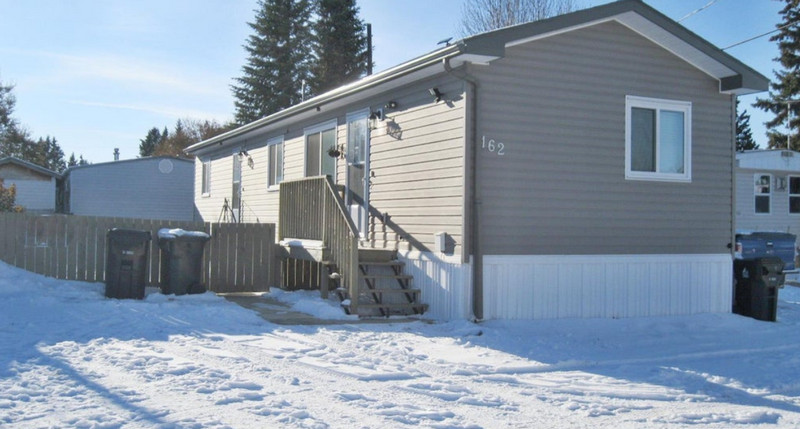
Winterizing a Mobile Home: Protecting Plumbing Systems
Plumbing damage is one of the most common winter issues. Even short cold periods can freeze water lines.
Next, exposed pipes under mobile homes need proper insulation. Pipe wraps or foam covers help block cold air.
Then, sealing gaps under the home prevents cold drafts from reaching pipes. Skirting also helps keep temperatures stable.
Steps to protect plumbing include:
- Insulate exposed pipes under the home
- Seal gaps and openings in skirting
- Drain outdoor hoses and faucets
- Keep a slow drip during cold nights
After that, check for leaks before winter starts. Fixing small issues early prevents bigger problems later.
Sealing Air Leaks and Improving Insulation
Air leaks reduce comfort and increase energy costs. Florida homes often lose cool air in summer and warm air in winter.
Next, check doors and windows for gaps. Use weather stripping to block drafts.
Then, inspect insulation in walls and floors. Proper insulation keeps indoor temperatures stable.
Areas to check for leaks include:
- Around windows and door frames
- Floor edges and vents
- Roof seams and ceiling joints
- Utility entry points
After sealing these areas, your home will stay more comfortable during cold nights.
Preparing the Roof for Winter Weather
Florida roofs face heavy rain and strong winds. Winter storms can still cause leaks or damage.
Next, inspect the roof for cracks, loose panels, or worn seals. Repair these areas before problems grow.
Then, clean gutters and downspouts to prevent water buildup. Proper drainage protects the roof and foundation.
After that, consider adding a roof coating for extra protection. This step helps extend the roof’s lifespan.
Winterizing a Mobile Home: Heating System Check
A working heating system keeps your home comfortable during cold nights. Many Florida homes use heat pumps or space heaters.
Next, test your heating system before winter begins. Check airflow and thermostat settings.
Then, clean or replace air filters. This improves efficiency and indoor air quality.
Heating system tips include:
- Test heaters before cold weather arrives
- Replace or clean air filters
- Check thermostat accuracy
- Keep vents clear from obstructions
After that, keep a backup heating option ready. This helps during unexpected system issues.
Protecting Windows and Doors From Drafts
Windows and doors often allow cold air inside. Sealing these areas improves comfort and saves energy.
Next, install weather stripping or door sweeps. These materials block air leaks effectively.
Then, use thermal curtains to reduce heat loss at night. This simple step adds extra insulation.
After that, inspect window seals for cracks or gaps. Repair any damage quickly.
Managing Moisture and Preventing Mold
Florida humidity remains high even during winter months. Moisture buildup can lead to mold growth inside mobile homes.
Next, use a dehumidifier to control indoor moisture levels. This helps protect walls and flooring.
Then, check for leaks around plumbing and roofing areas. Fix any moisture sources right away.
After that, keep airflow steady by opening vents when needed. Good airflow reduces damp conditions.
Securing the Exterior of the Home
Strong winds can affect mobile homes during winter storms. Loose items around the home may cause damage.
Next, secure outdoor furniture and equipment. Store items that could blow away during storms.
Then, inspect skirting panels and anchors. Tighten or repair any loose sections.
Exterior preparation steps include:
- Secure outdoor furniture and tools
- Inspect skirting and anchors
- Trim nearby trees and branches
- Check tie-downs for stability
After that, these steps help protect your home during windy conditions.
Saving Energy During Florida Winters
Energy costs can still rise during cooler months. Simple steps help reduce monthly bills.
Next, use ceiling fans on low settings to circulate warm air. This improves indoor comfort.
Then, adjust thermostat settings to avoid overuse. Small changes can lower energy use.
After that, sealing leaks and improving insulation also reduces energy loss.
Common Mistakes to Avoid During Winter Preparation
Many homeowners skip simple steps, which leads to problems later. Awareness helps prevent these issues.
Next, avoid ignoring small leaks or cracks. These problems often grow over time.
Then, do not delay inspections or repairs. Early action saves money and time.
After that, avoid using unsafe heating equipment indoors. Always follow safety guidelines.
Frequently Asked Questions About Winterizing a Mobile Home
What Is Winterizing a Mobile Home?
It means preparing your home for colder weather and preventing damage.
Do Florida Mobile Homes Need Winter Preparation?
Yes, short cold periods can still affect pipes and systems.
How Do I Protect Pipes in Winter?
Use insulation and keep water flowing during cold nights.
Should I Seal My Windows and Doors?
Yes, sealing gaps helps keep warm air inside your home.
Can Florida Winters Damage Mobile Home Roofs?
Yes, storms and rain can cause leaks or structural issues.
What Heating Option Works Best?
Heat pumps and safe space heaters work well in Florida homes.
How Do I Prevent Mold in Winter?
Control humidity and fix leaks quickly to reduce moisture buildup.
Do I Need a Dehumidifier?
Yes, it helps manage indoor moisture levels effectively.
How Often Should I Inspect My Home?
Inspect before winter and check regularly during the season.
Is Professional Help Necessary?
It helps for inspections, repairs, and system checks.
Final Thoughts on Seasonal Preparation
Winterizing a mobile home helps Florida owners protect their property and avoid costly damage. Preparation steps keep systems working and improve comfort. Take action early and review your home each season. Small efforts lead to long-term savings and better living conditions.