
Dreaming of living in the Sunshine State without spending a fortune? You’re not alone. Florida’s warm climate, rich culture, and laid-back lifestyle draw thousands of new residents every year. However, the rising cost of housing can be intimidating. Luckily, there’s a practical solution: finding a budget-friendly mobile home.
Mobile homes offer comfort, flexibility, and affordability, making them an ideal option for retirees, young families, and anyone seeking a simpler lifestyle. If you’re ready to make the move, this guide walks you through every step — from setting your budget to closing the deal — so you can find the perfect mobile home in Florida without breaking the bank.
Why Mobile Home Living Makes Sense in Florida
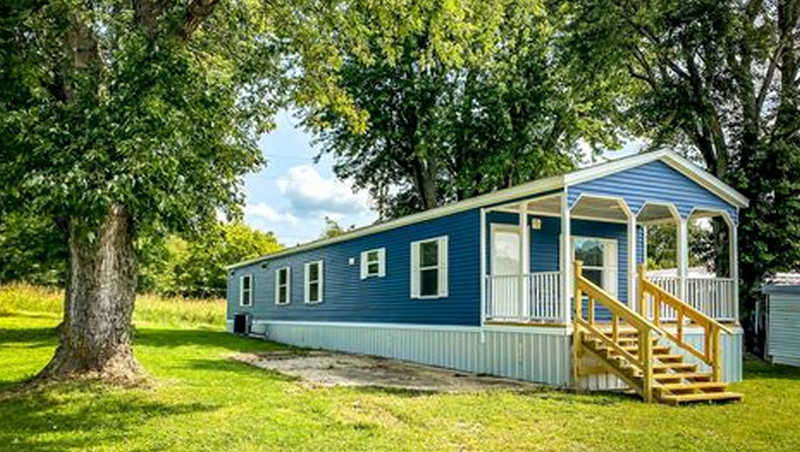
Florida has one of the largest mobile home markets in the U.S. because the state’s climate, affordable land options, and well-developed communities make it perfect for this type of housing. Mobile homes, also known as manufactured homes, come in various layouts such as single-wide or double-wide units. They can be placed in designated mobile home parks or on private lots — both of which offer different advantages.
Living in a mobile home park comes with perks like swimming pools, clubhouses, fitness centers, and organized events. However, you’ll need to budget for lot rent, which typically ranges from $400 to $800 per month, depending on the location and amenities.
Step 1: Determine Your Budget and Financing Options
The first step in finding a budget-friendly mobile home is knowing exactly what you can afford. Start by reviewing your finances — including your income, savings, and monthly expenses. Factor in not only the purchase price but also taxes, insurance, maintenance, and moving costs.
If you plan to finance your purchase, explore loan options specifically designed for mobile homes. These may include:
- **FHA Loans:** Government-backed loans for qualified buyers, often with lower down payments.
- **Chattel Loans:** Common for mobile homes on leased land, as the home is considered personal property.
- **Personal Loans:** A quick option for lower-priced homes, though interest rates may be higher.
Pro Tip:
Shop around for different lenders to compare interest rates and terms. Getting pre-approved for financing gives you a stronger negotiating position when you find your ideal home.
Step 2: Research Mobile Home Listings
Once you’ve set your budget, start your search for affordable options. There are several ways to find mobile homes for sale in Florida:
- Online Listings: Platforms like Zillow, Realtor.com, and MHVillage.com allow you to filter by price, location, and property type.
- Local Real Estate Agents: Agents specializing in mobile homes can guide you toward good deals and reliable sellers.
- Mobile Home Parks: Visit parks in your desired area — many have homes for sale directly through management.
- Word of Mouth: Tell friends and family you’re looking; you might discover a great deal before it’s publicly listed.
Research Tips:
Set up alerts for new listings and be ready to act quickly, as affordable mobile homes often sell fast. Consider looking outside major metro areas — rural regions tend to have lower prices.
Step 3: Consider Location and Amenities
When choosing your mobile home, location is everything. Think about how close you want to be to essentials such as grocery stores, schools, hospitals, and employment opportunities. Also, evaluate the quality of the mobile home park — amenities like swimming pools, gated security, and community events can enhance your lifestyle but may raise monthly fees.
If you prefer more privacy, placing your mobile home on private land can be a good long-term investment. However, you’ll need to account for the costs of utilities, septic systems, and land maintenance.
Balancing Priorities:
It’s easy to be tempted by luxurious parks or beachside locations, but affordability should remain your priority. A few miles inland can save you thousands while still keeping you near Florida’s best attractions.
Step 4: Schedule a Home Inspection
Before finalizing a purchase, schedule a professional inspection. Even budget-friendly homes should meet basic safety and structural standards. Hire a licensed inspector to check for:
- Water damage or roof leaks
- Electrical and plumbing issues
- Foundation stability
- Mold or pest infestations
If the inspection reveals issues, you can negotiate a lower price or ask the seller to make repairs. Remember, a low upfront price isn’t worth it if hidden problems lead to costly repairs later.
Step 5: Negotiate the Purchase Price
Negotiation is a key part of finding a budget-friendly mobile home. Use your inspection results and knowledge of local market trends to make a fair but firm offer. Be ready to walk away if the deal doesn’t meet your expectations — sometimes patience leads to better opportunities.
Sellers who need to move quickly are often open to negotiation, especially if the home has been listed for several weeks.
Step 6: Close the Deal
Once you’ve reached an agreement, it’s time to finalize the paperwork and complete the purchase. During the closing process, you’ll review contracts, pay closing costs, and officially transfer ownership. If the home is located in a mobile home park, ensure you meet the park’s residency requirements and sign the necessary lease agreements.
After closing, you’ll receive the title and keys — congratulations! You’re now a Florida homeowner enjoying the benefits of affordable living.
Frequently Asked Questions
1. Are mobile homes in Florida a good investment?
Yes. Mobile homes are affordable, and if placed on owned land, they can appreciate over time.
2. How much does a budget-friendly mobile home cost in Florida?
Prices typically range from $10,000 to $60,000, depending on age, size, and location.
3. Can I finance a used mobile home?
Yes. Many lenders offer loans for both new and used mobile homes, though older models may have stricter requirements.
4. What’s the average lot rent in Florida?
Lot rent usually ranges from $400 to $800 per month, depending on the community and amenities.
5. Do mobile homes require insurance?
Yes. Mobile home insurance protects against damage, liability, and theft — and may be required by lenders.
6. What should I look for during a mobile home inspection?
Check for leaks, damaged flooring, faulty wiring, and signs of mold or pests.
7. Can I move a mobile home to a new location?
Yes, but moving costs can range from $3,000 to $10,000 depending on distance and size.
8. Are there age restrictions for living in mobile home parks?
Some parks are age-restricted (55+), while others are family-friendly. Always verify before buying.
9. Do mobile homes depreciate in value?
Mobile homes can depreciate if on leased land, but those on owned land tend to hold value better.
10. How do I find the best deal on a mobile home?
Compare listings, act quickly on new opportunities, and negotiate confidently to secure the best price.
Final Thoughts
Finding a budget-friendly mobile home in Florida is an achievable goal with the right preparation and strategy. By setting a clear budget, exploring financing options, researching listings, and carefully inspecting properties, you can secure an affordable and comfortable home in one of America’s most desirable states.
Whether you’re planning to retire, relocate, or simply downsize, mobile home living offers an affordable path to enjoying Florida’s sunshine and vibrant lifestyle. With patience, research, and smart decision-making, your dream of owning a Florida home can become reality — without draining your wallet.