
Buying a mobile home in Florida can be a practical way to own a home at a lower cost. Florida offers thousands of mobile home communities, warm weather, and many housing choices. Yet many buyers make costly mistakes before signing a contract.
This guide explains each step clearly. You will learn how to set a budget, inspect a home, review lot fees, and avoid common problems. By following these steps, you can make a better decision and save money.
Why Florida Is Popular for Mobile Home Buyers
Florida has one of the largest mobile home markets in the country. Many retirees, seasonal residents, and first-time buyers choose mobile homes for affordability.
The state offers communities near beaches, shopping centers, medical facilities, and entertainment areas. Many communities include amenities such as clubhouses, swimming pools, and social activities.
At the same time, prices vary widely between locations. Coastal areas often cost more than inland regions. As a result, researching different markets helps you find better value.
Set Your Budget Before Shopping
Start with a realistic budget. Many buyers focus only on the home’s price. Yet ownership costs extend beyond the purchase amount.
Consider expenses such as:
- Lot rent
- Property taxes
- Insurance
- Utility bills
- Maintenance costs
Next, decide whether you will pay cash or finance the purchase. Some lenders offer mobile home loans, though requirements differ from traditional mortgages.
A clear budget helps narrow your search and prevents overspending.
Decide Between a Park Community and Private Land
Your location choice affects your long-term expenses.
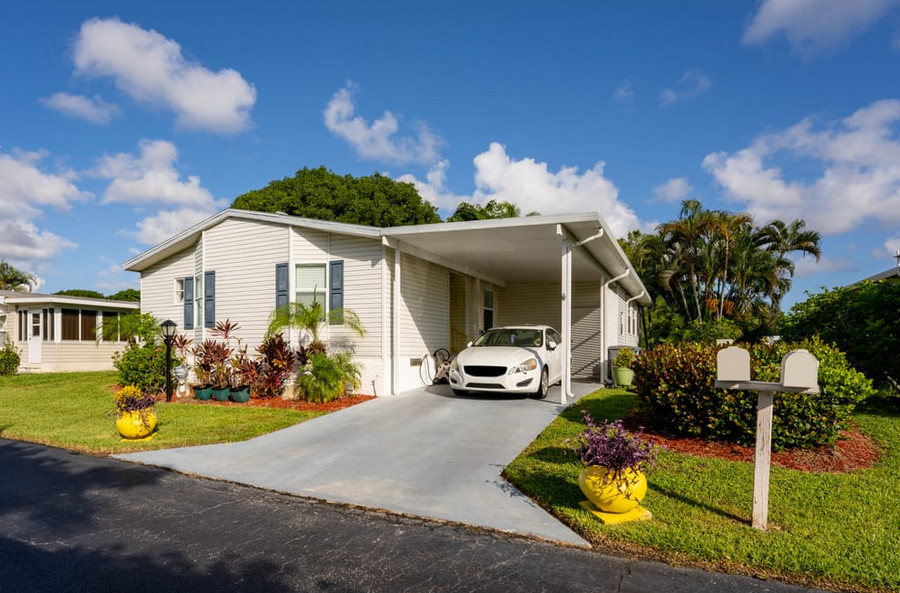
Some mobile homes sit inside managed communities. Others sit on privately owned land.
Community living often provides:
- Organized activities
- Shared amenities
- Landscaping services
- Added security features
Private land offers:
- More privacy
- Fewer community rules
- Greater control over the property
- No monthly lot rent
Compare both options carefully before making a decision.
Buying a Mobile Home in Florida: Understand Lot Rent
One of the biggest mistakes buyers make involves lot rent.
When purchasing a home inside a community, you may own the home but lease the land beneath it. Monthly lot rent can range from a few hundred dollars to much higher amounts in premium locations.
Before purchasing, ask:
- What is the current lot rent?
- How often does rent increase?
- What services are included?
- Are there extra community fees?
Review written documentation before signing any agreement.
Inspect the Home Thoroughly
Never purchase a mobile home without a detailed inspection.
A professional inspection may reveal hidden issues that are difficult to spot during a showing.
Pay close attention to:
- Roofing condition
- Plumbing systems
- Electrical systems
- Flooring damage
- Soft spots in subfloors
- Window condition
- Air conditioning systems
Florida’s humidity can create moisture-related problems. As a result, checking for water damage becomes very important.
If repairs are needed, estimate costs before negotiating the price.
Check the Age and Construction Standards
Mobile homes built during different years follow different standards.
Homes built after June 15, 1976, follow federal HUD standards. These homes display a HUD certification label.
Older homes may have different construction methods and materials. Some insurance companies and lenders place restrictions on older units.
Ask for documentation showing the home’s age and manufacturer details.
Buying a Mobile Home in Florida: Review Insurance Requirements
Insurance costs vary throughout Florida.
Homes located near coastal regions often face higher premiums. Storm exposure, flood risks, and hurricane activity influence rates.
Request insurance quotes before finalizing a purchase. This step prevents surprises after closing.
You should review:
- Windstorm coverage
- Flood coverage
- Personal property coverage
- Liability protection
Comparing several providers may help reduce costs.
Verify Community Rules and Restrictions
Every mobile home community operates differently.
Some communities accept residents of all ages. Others restrict residency to older adults.
Read community documents carefully. These documents may contain rules regarding:
- Pets
- Parking
- Home improvements
- Guests
- Rental policies
Understanding these rules beforehand helps avoid future conflicts.
Research the Community’s Financial Stability
A well-managed community often provides a better living experience.
Ask questions about management practices and planned improvements. Look for signs that the community maintains roads, common areas, and facilities properly.
You can speak with current residents. Their feedback often reveals information unavailable in brochures or advertisements.
A short conversation may save you from future frustrations.
Compare Several Homes Before Making an Offer
Avoid purchasing the first home you visit.
Instead, compare multiple properties in different locations. This process helps identify fair market prices and better opportunities.
Take notes during each visit. Record:
- Asking price
- Lot rent
- Condition
- Community features
- Repair needs
Comparing several options gives you stronger negotiating power.
Work With Experienced Mobile Home Professionals
The mobile home market differs from traditional real estate transactions.
Experienced professionals understand title transfers, park requirements, inspections, and financing options.
Many buyers begin their search with The Mobile Home Dealer. The company provides resources and listings for buyers seeking mobile homes throughout Florida.
If you want to buy a mobile home, reviewing available listings can help you understand current market prices and community options.
Understand the Closing Process
Before closing, verify all paperwork carefully.
Review:
- Title information
- Bill of sale
- Community approval documents
- Financing paperwork
- Insurance requirements
Confirm that no outstanding liens exist on the property.
Keep copies of every document for future reference.
A careful review helps prevent legal and financial problems later.
Common Mistakes Buyers Should Avoid
Many buyers rush through the process. Yet patience often saves money.
Avoid these mistakes:
- Skipping inspections
- Ignoring lot rent increases
- Failing to compare communities
- Underestimating insurance costs
- Purchasing without reviewing rules
Each mistake can create expenses that exceed initial expectations.
Frequently Asked Questions
Is buying a mobile home in Florida a good investment?
It can be a good housing option for many buyers seeking affordability and flexibility.
How much does a mobile home cost in Florida?
Prices vary by location, age, size, and condition. Costs range widely across the state.
Can I finance a mobile home purchase?
Yes. Many lenders offer financing programs for qualified buyers.
Do mobile homes in Florida require insurance?
Most owners carry insurance, especially when financing is involved.
What is lot rent?
Lot rent is the monthly fee paid for land use within a community.
Can I own the land under my mobile home?
Yes. Some mobile homes sit on privately owned land.
Are inspections necessary?
Yes. Inspections help identify structural, electrical, plumbing, and moisture issues.
Can I live in a mobile home year-round?
Yes. Many Florida residents live in mobile homes full-time.
What are HUD standards?
HUD standards are federal construction requirements for mobile homes built after June 15, 1976.
How can I find available mobile homes for sale?
You can search listings through mobile home marketplaces and specialized dealers.
Final Thoughts
Buying a mobile home in Florida requires careful planning and research. Review costs, inspect each property, compare communities, and understand long-term expenses before making a commitment. A thoughtful approach helps you avoid common mistakes and find a home that fits both your lifestyle and budget. Whether you are relocating, retiring, or purchasing your first home, taking time to evaluate every detail can lead to a more successful purchase.