Collateral is an essential component of many loan agreements, providing lenders with a safety net in case borrowers default. While houses and cars are the most common types of collateral, many people wonder, can you use a mobile home as collateral for a loan? The short answer is yes—but the process involves several important steps and conditions that you must understand before applying.
If you’re considering using your mobile home to secure financing, this guide will help you understand how it works, its benefits, and the potential risks involved.
Understanding Mobile Homes as Collateral
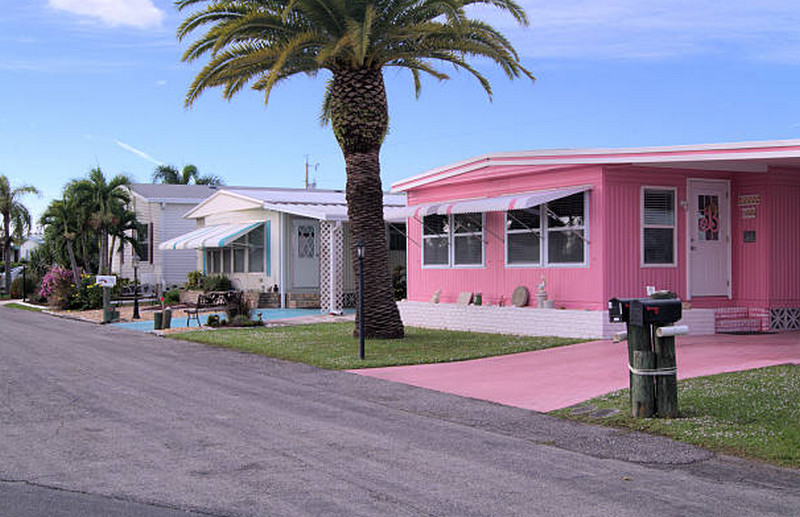
A mobile home—also known as a manufactured home—is a prefabricated structure built in a factory and transported to its permanent location. It can sit on private land, leased land, or within a mobile home community. These homes come in different sizes, from single-wide to multi-section models, and are a popular choice for affordable homeownership.
When asking can you use a mobile home as collateral for a loan, it’s essential to understand that lenders treat mobile homes differently from traditional houses. While both are considered assets, mobile homes can be classified as personal property (like vehicles) or real property (like houses), depending on their location and setup.
If your mobile home is permanently attached to land you own, it’s often considered real property—making it easier to use as collateral. However, if it’s located in a leased mobile home park, it’s typically treated as personal property, which may limit your financing options.
Types of Loans That May Accept Mobile Homes as Collateral
The type of loan you’re applying for will determine whether your mobile home qualifies as collateral. Some of the most common loan types include:
- Mortgage Loans: If your mobile home is on land you own, you may be eligible for a traditional mortgage that uses both the land and home as collateral.
- Home Equity Loans or Lines of Credit: If you’ve built equity in your property, you can use that value to secure a loan or line of credit.
- Personal Loans: Some lenders may allow you to use a mobile home as collateral for a secured personal loan, although approval criteria can vary widely.
- Chattel Loans: If your mobile home is located in a park or on leased land, you may qualify for a chattel loan, which treats the home as personal property.
Ownership and Title Requirements
To use a mobile home as collateral, you must own it outright or have significant equity. Lenders will require proof of ownership, which usually comes in the form of a title or deed. The home must also be free of liens or have a clear record of existing loans to qualify.
Additionally, your mobile home’s age and condition will affect its value and eligibility. Lenders typically prefer newer, well-maintained homes that meet modern safety and construction standards.
Appraisal and Valuation Factors
When you apply for a loan using your mobile home as collateral, the lender will conduct an appraisal to determine its market value. Several factors influence the appraised value, including:
- The home’s age, size, and model
- Condition of the structure and systems (plumbing, electrical, HVAC)
- Location and land ownership status
- Market demand for similar properties
In general, newer mobile homes located on owned land tend to appraise higher, increasing your borrowing power.
Benefits of Using a Mobile Home as Collateral
Using your mobile home as collateral can provide several financial advantages, including:
- Access to Financing: You can unlock funds for major expenses such as home improvements, medical bills, or debt consolidation.
- Lower Interest Rates: Because secured loans pose less risk to lenders, they often come with lower interest rates compared to unsecured loans.
- Flexible Repayment Options: Lenders may offer longer repayment terms, making it easier to manage monthly payments.
- Improved Loan Approval Chances: Using collateral increases your odds of loan approval, especially if you have limited credit history.
Important Considerations and Potential Risks
While using your mobile home as collateral can help you secure financing, it’s important to understand the potential downsides.
- Risk of Losing Your Home: If you default on the loan, the lender can seize your mobile home to recover losses.
- Value Depreciation: Unlike traditional homes, mobile homes may depreciate over time, affecting their long-term collateral value.
- Limited Lender Options: Not all lenders accept mobile homes as collateral, particularly older or relocated ones.
- Legal Requirements: Florida’s property and lending laws may impose certain requirements for registering or financing mobile homes, so it’s essential to check local regulations before proceeding.
Tips for Borrowers Considering This Option
If you’re thinking about using your mobile home to secure a loan, keep these practical tips in mind:
- Work with lenders experienced in mobile home financing.
- Get a professional appraisal to determine your home’s true market value.
- Review loan terms carefully, including interest rates, penalties, and repayment schedules.
- Consider alternative options such as personal loans or refinancing before using your home as collateral.
Frequently Asked Questions
1. Can you use a mobile home as collateral for a loan?
Yes, many lenders allow it, provided you meet ownership and valuation requirements.
2. What kind of loans accept mobile homes as collateral?
Mortgage loans, home equity loans, chattel loans, and certain personal loans may qualify.
3. Do I need to own the land to use my mobile home as collateral?
Not necessarily. However, owning the land increases your home’s value and financing options.
4. How old can a mobile home be to qualify?
Most lenders prefer homes built after 1976 that comply with HUD safety standards.
5. Will using my mobile home as collateral affect my credit?
If you repay the loan responsibly, it can improve your credit. Defaults, however, will hurt your score.
6. What happens if I default on the loan?
The lender can repossess or foreclose on your mobile home to recover the owed amount.
7. Do all lenders accept mobile homes as collateral?
No, you’ll need to find lenders who specialize in manufactured or mobile home financing.
8. How is the value of my mobile home determined?
Lenders use professional appraisers who assess your home’s condition, location, and market demand.
9. Can I still live in my mobile home while it’s used as collateral?
Yes, as long as you make your loan payments, you retain full occupancy and ownership rights.
10. What documents will I need?
Typically, you’ll need proof of ownership, the title, identification, and recent income verification.
Final Thoughts
So, can you use a mobile home as collateral for a loan? Absolutely—but it requires careful planning, financial responsibility, and an understanding of the risks. Using your mobile home as collateral can unlock funding opportunities and lower borrowing costs, but it also puts your property at stake if you fail to repay.
Before proceeding, weigh your options, consult with a financial advisor, and compare lenders who specialize in mobile home financing. With the right strategy, you can use your mobile home as an asset to achieve your financial goals while keeping your investment secure.
See Also:
- Understanding the Importance of Income Verification in Sarasota, Florida Mobile Home Parks
- Why You Should Get an Inspection on Your Sarasota Florida Mobile Home Before Buying
- How Can You Buy a Sarasota Florida Mobile Home Online
- Understanding the Cost of Mobile Homes in Florida in 2025
- Choosing The Right AC Size For Your Mobile Home
Hi I own a lodge on a holiday park. Its value is £100,000 and I would like to borrow against it.
I have poor credit but own this outright with no mortgage
I want to borrow £10000
Can you help
I have mobile home in Tampa florida own it out right on leased land its worth about 120k ..but have bad credit can i get a loan?