
Mobile homes offer many Floridians an affordable path to homeownership, but the structure of ownership in mobile home parks is unique. In most cases, the homeowner owns the mobile home itself, while the land the home sits on is leased from the park. Because of this arrangement, questions often arise regarding what happens when a homeowner falls behind on lot rent. One of the most common concerns is whether a park owner can take or foreclose on a mobile home in the event of unpaid fees. Understanding foreclosure rights in Florida mobile home parks is crucial for protecting your home and financial stability.
Foreclosure vs. Eviction: Why the Difference Matters
The biggest point of confusion for many mobile homeowners is the difference between foreclosure and eviction. Foreclosure is a legal process used by lenders to seize and sell a property to recover unpaid mortgage debt. However, most mobile homes located in parks are considered personal property rather than real estate. Because the home is personal property, traditional foreclosure laws usually do not apply to unpaid lot rent.
Instead, if a resident does not pay their lot rent, the park owner may pursue eviction, not foreclosure. Eviction is the legal removal of a tenant or resident from the land they are occupying. Florida Statute §723.061 outlines the process mobile home parks must follow when seeking eviction for non-payment.
- Written Notice Must Be Given: The park owner must provide a written notice, often referred to as a 5-Day Notice to Pay Rent or Vacate.
- Grace Period to Catch Up: The homeowner is given a short period (usually five days) to pay the overdue rent and any applicable late fees.
- Legal Action May Follow: If the resident does not pay within the time allowed, the park owner may file an eviction action in court.
Because eviction—not foreclosure—is the primary course of action, the homeowner does not automatically lose their mobile home. However, eviction can still have serious consequences that affect the home, finances, and stability.
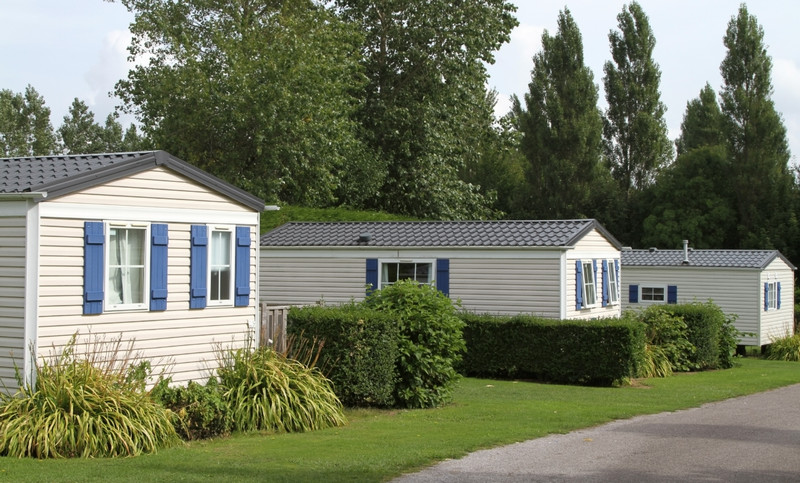
How Eviction Can Still Impact the Ownership of Your Mobile Home
Even though the park owner cannot directly foreclose a mobile home simply for unpaid rent, eviction can create a situation where the homeowner may still lose their home. If a homeowner is removed from the park and cannot relocate the property, the cost and logistics of moving the home can become overwhelming.
- Relocation Costs Can Be High: Moving a mobile home can cost thousands of dollars, depending on size, distance, and condition.
- Potential Structural Damage: The moving process may damage the home, leading to costly repairs.
- Difficulty Finding a New Park: Not all parks accept incoming homes, especially older units.
Additionally, having an eviction on record can negatively affect your credit score and make securing future housing more difficult. While your home may remain legally yours, protecting it becomes more challenging if you must move it and cannot afford to do so.
Communication and Negotiation Can Prevent Eviction
An eviction does not happen immediately. If you are struggling with lot rent, communicating early and honestly with your park manager is one of the best ways to avoid losing your home. Many park owners are willing to work with residents because eviction is also time-consuming and costly for them.
- Request a Payment Plan: Many parks will allow residents to pay overdue rent in installments.
- Seek Financial Assistance: Local housing programs, nonprofits, and county agencies sometimes offer emergency rental aid.
- Consider Selling the Home: If long-term affordability is the issue, selling the home before eviction may allow you to protect some equity.
Taking action early is key—waiting until legal notices are filed reduces your options.
When Foreclosure May Apply Instead of Eviction
Although delinquent lot rent usually leads to eviction, there are cases where foreclosure may occur. These situations are less common but are important to understand to fully protect your home and rights.
- If the Home Is Financed: If you have a mortgage or chattel loan on the mobile home itself, the lender may foreclose if you stop making payments.
- Park Closures and Redevelopment: If a mobile home park is being sold or redeveloped, the park owner may foreclose on unpaid liens before selling the land.
In redevelopment cases, Florida law requires the park owner to contribute to relocation assistance through the Florida Mobile Home Relocation Corporation, helping residents offset the cost of moving their homes.
Reviewing Your Lease: Protecting Yourself Starts with Understanding the Contract
The lease agreement is one of your strongest tools for understanding your foreclosure rights in Florida mobile home parks. Although state law sets the baseline rules, your lease may include additional terms.
- Check for Clauses Regarding Home Seizure: Some leases attempt to allow the park to take possession of the home after eviction.
- Review Maintenance Responsibilities: The lease outlines who is responsible for repairs and grounds upkeep.
- Understand Dispute Resolution Procedures: Many leases require mediation or written notification before formal legal action.
If you find language that seems unfair or confusing, you may want to consult an attorney who specializes in mobile home park law.
Frequently Asked Questions
Can a park owner take my mobile home if I miss rent payments?
No. They can evict you from the land, but cannot automatically take your home.
How long do I have before eviction begins?
You typically have five days after receiving written notice to pay the overdue rent.
Can I move my home to another park?
Yes, if the home meets the new park’s age and condition requirements.
Will eviction affect my credit?
Yes, eviction judgments may appear on your credit report and harm your credit score.
Can I negotiate a payment plan?
Many parks will agree to payment plans if requested early.
What happens if the park closes?
The park may need to assist with relocation costs under Florida law.
Can I sell my home during an eviction process?
Yes, in most cases, selling is still allowed unless restricted by a court order.
Do I have to move my home after eviction?
If you cannot pay rent or secure approval to remain, you will need to move the home.
Who can I contact for legal help?
Legal aid organizations and attorneys specializing in mobile home law are available statewide.
Does foreclosure apply if I financed my mobile home?
Yes. If the home is mortgaged, the lender can foreclose if loan payments stop.
Final Thoughts
Understanding foreclosure rights in Florida mobile home parks empowers homeowners to make informed and confident decisions. While foreclosure for unpaid lot rent is rare, eviction can still threaten your ability to remain in your home. The best protection lies in clear communication, careful review of lease agreements, and knowing where to seek assistance when challenges arise. By staying proactive and well-informed, you can preserve your home, your investment, and your peace of mind.
See Also:
- Understanding the Rights of Florida Mobile Home Owners
- The Sunshine State Showdown: Mobile Homes vs. Modular Homes in Florida
- Seeking Extra Income? Why Mobile Home Sales Could Be Your Perfect Side Hustle
- Eviction in Mobile Home Parks: Understanding Your Rights and Responsibilities
- Repossessed Mobile Homes: Weighing the Pros and Cons Before You Buy