
Many buyers ask how to insure a mobile home when they own the structure but lease the land it sits on. Just as often, they want to know whether the same insurance options available for single-family homes also apply to mobile homes on leased land. These questions usually come from people who are new to the mobile home space and want clarity before making long-term decisions.
For this discussion, the focus remains on mobile homes on leased land, which is the primary area of specialization for The Mobile Home Dealer. Understanding how these homes are classified in Florida is the first step toward understanding insurance options.
How Mobile Homes on Leased Land Are Classified
In Florida, mobile homes on leased land are titled as personal property rather than real estate. In other words, they are treated similarly to used motor vehicles. Ownership is established through a title, not a deed, because the land itself is not part of the transaction.
However, when a mobile home is sold together with the land, such as in a rural setting or a resident-owned community, the classification changes. In that case, the property is considered real estate, and insurance options become much broader.
Because mobile homes on leased land are not real estate, insurance coverage works differently. This difference often surprises new owners, especially those transitioning from traditional homeownership.
Insurance Availability for Mobile Homes on Leased Land
Insurance for mobile homes on leased land is available, although it is not identical to standard homeowner’s insurance for single-family houses. What is most common is liability coverage rather than full replacement coverage.
Many mobile homeowners choose liability policies that protect against incidents such as slips and falls, personal injury, or accidents occurring on the property. For example, if a guest slips on wet steps during a rainy day or a delivery driver falls while approaching the front door, this type of policy may help cover claims.
Although no one hopes to face these situations, liability coverage can provide peace of mind. Therefore, many homeowners see it as a practical baseline rather than optional protection.
Why Full Coverage Is Less Common
When mobile homeowners explore full coverage similar to single-family homes, they are often surprised by how uncommon it is within leased-land communities. One major reason is repair cost.
Mobile homes are typically less expensive to repair than site-built houses. As a result, filing an insurance claim may not always make financial sense. For instance, if a vehicle damages a carport pillar, paying a local professional in cash is often cheaper than filing a claim.
Once deductibles and potential premium increases are factored in, homeowners may spend more by using insurance than by handling the repair directly. Because of this, many owners prefer limited coverage combined with out-of-pocket repairs when needed.
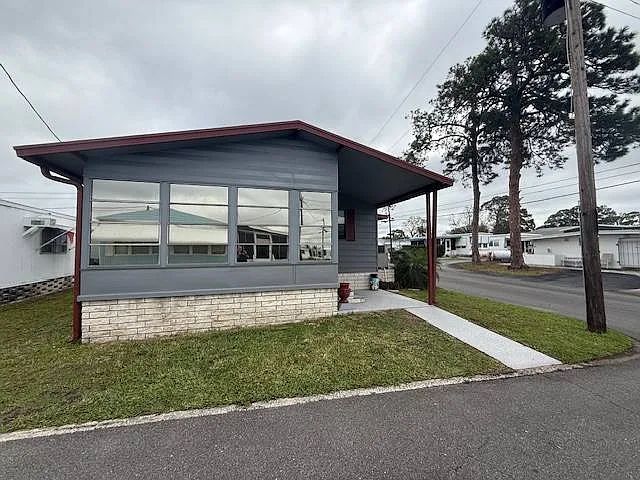
Understanding Mobile Home Insurance Coverage
Although mobile homes are factory-built, insurance policies often resemble those used for traditional houses. Whether the home is occupied year-round or seasonally, coverage is designed to protect both the structure and the homeowner.
Insurance policies generally include two core components: physical damage coverage and civil liability coverage. These elements form the foundation of most mobile home insurance plans.
Physical Structure and Personal Property Coverage
Physical damage coverage applies when the mobile home or its contents are damaged by covered events such as fire, theft, or vandalism. In many cases, attached structures like patios or garages may also fall under the policy.
Personal belongings inside the home are typically included as well. However, coverage is not always comprehensive. Some policies operate under “designated hazards,” meaning only specific causes of loss are covered.
While these policies may come with lower premiums, exclusions can be significant. Therefore, homeowners should carefully review what is and is not included before committing to a policy.
Civil Liability Coverage Explained
Civil liability coverage protects homeowners if they are found responsible for damage to someone else’s property or certain injuries. This protection applies within the limits set by the policy.
For example, if children accidentally damage a neighbor’s property, the policy may cover repair costs. However, liability coverage generally does not apply to injuries suffered by the homeowner or family members inside the home.
Because of this limitation, understanding policy boundaries is just as important as understanding benefits.
Frequently Asked Questions
Can mobile homes on leased land be insured?
Yes, insurance is available, although coverage options differ from single-family homes.
Are mobile homes considered real estate in Florida?
No, unless the home is sold with the land.
Is full coverage required?
No, many owners choose liability-only policies.
Why do fewer owners carry full coverage?
Repair costs are often lower than deductibles and premium increases.
Does insurance cover personal belongings?
Most policies include personal property coverage, depending on terms.
Are attached structures covered?
Often yes, but coverage varies by policy.
Do policies cover all types of damage?
Not always, especially under designated hazard policies.
Is civil liability coverage important?
Yes, it can protect against claims involving injuries or property damage.
Do seasonal residents need insurance?
Yes, even part-time occupancy carries risk.
Should homeowners compare policies?
Absolutely, reviewing exclusions and limits is essential.
Final Thoughts
Insuring a mobile home on leased land requires a different mindset than insuring a traditional house. Because these homes are classified as personal property, insurance options focus more on liability and selective coverage rather than full replacement.
While full coverage is available, many owners choose limited policies paired with practical repair decisions. The key is understanding how the home is classified, what risks matter most, and which policy aligns with those realities.