
Are you tired of staring at a cracked, stained, or sagging ceiling in your mobile home? A damaged ceiling isn’t just unattractive—it can also become a safety concern. Whether the issue comes from water damage, age, or general wear and tear, it’s essential to repair or replace ceiling panels for mobile homes to maintain a safe and comfortable living space.
Most often, water is the main cause of ceiling damage. Over time, a leaking ceiling can cause panels to sag or deteriorate. Sagging ceilings may sometimes be repaired, but in severe cases, replacement becomes the better option.
If you’re planning to repair or replace ceiling panels for mobile homes, it helps to understand the materials, techniques, and proper steps involved. This guide will walk you through different ceiling options, including repair, replacement, and texturing methods to achieve the best results.
Repairing Damaged Ceiling Panels
If your ceiling tiles have been affected by moisture and have started to sag, small repairs might fix the issue temporarily. Lightly spraying the area with water and pushing the tile up for several days may work for minor sags, though results aren’t always guaranteed.
For a more reliable solution, insert boards at the seams of each panel. Long screws at truss points can help pull panels back into position. This method not only restores alignment but also reinforces structural stability. To keep things looking uniform, apply this technique across the entire ceiling. Don’t forget to paint or stain the boards beforehand to match the surrounding surface.
When damage is extensive, repairs may not be enough. In such cases, replacing the panels completely ensures a more durable and visually consistent ceiling.
How to Replace Ceiling Panels for Mobile Homes
Replacing old ceiling tiles can be tricky, especially if the same material is no longer available. You may need to switch to an entirely new ceiling type. Manufactured homes usually have one of three styles: sheetrock ceilings, suspended ceilings, or paneled ceilings.
Sheetrock Ceilings
Sheetrock ceilings are known for their clean, modern appearance. However, they are heavier than other materials, so proper installation is crucial. Most builders use 5/8” thick sheetrock for stability, but this thickness requires joists placed 16 inches apart. To reduce weight, some homeowners opt for ½” or 1” sheetrock, spacing supports every 12 inches.
Begin by screwing furring strips (1×4 boards) across the ceiling joists, spaced evenly 12 inches apart. Once these are level, install the sheetrock using construction adhesive and screws. Apply mesh tape over seams and cover them with three coats of joint compound, letting each coat dry before sanding. Finally, prime and paint the ceiling to your preferred finish.
Adding Texture and Finishing Touches
After replacement, many homeowners choose to texture their ceilings for added character. Texture spraying is an easy method that can hide imperfections while giving the ceiling a stylish look. You can create fine, medium, or coarse textures using a sprayer and a paint mixture.
Before spraying, cover floors and walls with plastic. Mix dry texture with ceiling paint and a bit of water until it reaches a soft, ice-cream-like consistency. Allow it to rest for an hour, stirring occasionally for even color absorption. Test spray on a spare panel to perfect your technique before applying it to the ceiling.
Installing a Suspended Ceiling
A suspended ceiling is another great option if you prefer easy access to wiring or want to cover an uneven surface. This type uses a grid framework with 2’x2’ or 2’x4’ tiles. Installation is straightforward—secure the grid with wires attached to the old ceiling, then drop each tile into place. Just make sure to remove any loose ceiling sections beforehand to avoid collapse.
Using Paneled Ceilings
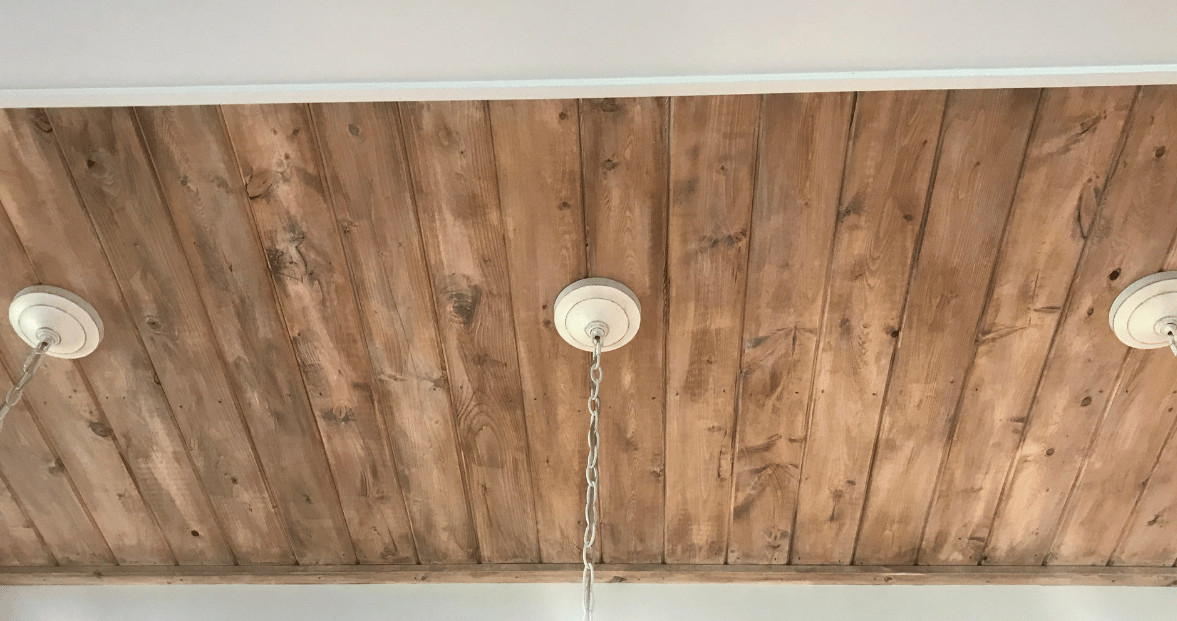
For homeowners who want a more creative or rustic style, paneled ceilings are a practical choice. Start by installing furring strips every 12 inches across the rafters. Once leveled, attach thin wood or decorative panels using finishing nails and adhesive.
You can enhance seams with stained trim or decorative wood strips for a polished finish. To explore more paneling designs, visit your local home improvement store.
Maintenance and Prevention Tips
To prevent future ceiling damage, regularly inspect your roof and attic for leaks. Moisture buildup is the most common reason homeowners have to replace ceiling panels for mobile homes. Addressing leaks early helps extend the life of your ceiling and reduces repair costs in the long run.
If you’re unsure about doing the work yourself, consider hiring experts such as The Mobile Home Dealer for guidance or professional service recommendations.
Frequently Asked Questions
1. What causes ceiling panels to sag?
Water damage and humidity are the most common reasons for sagging panels.
2. Can I repair ceiling tiles instead of replacing them?
Yes, small sags can be repaired, but heavily damaged panels should be replaced.
3. How often should ceiling panels be inspected?
Inspect your ceiling every 6–12 months, especially after storms or leaks.
4. What tools do I need to replace ceiling panels?
You’ll need screws, a level, a utility knife, a drill, and sheetrock materials.
5. How long does it take to replace ceiling panels?
Depending on the room size, it usually takes one to two days.
6. Can I add texture without replacing the entire ceiling?
Yes, texture spray or paint can refresh existing panels if they’re in good shape.
7. What is the best material for mobile home ceilings?
Sheetrock and lightweight panels are durable, affordable, and easy to maintain.
8. Are suspended ceilings good for mobile homes?
Yes, they allow easy access to wiring and create a smooth, modern appearance.
9. How can I prevent water damage?
Check roof seals, maintain proper ventilation, and inspect for leaks regularly.
10. Should I hire a professional for ceiling replacement?
If you’re unsure about safety or alignment, hiring a professional is recommended.
Final Thoughts
Repairing or replacing a mobile home ceiling requires patience and attention to detail. With the right tools and preparation, you can restore your ceiling’s strength and appearance efficiently. However, if the task feels overwhelming, seeking professional help ensures a flawless result.
Ultimately, consistent maintenance and regular inspection will save you time and money. Whether you choose to repair minor issues or fully replace ceiling panels for mobile homes, investing in your ceiling’s condition keeps your space safe, comfortable, and visually appealing for years to come.