
Mobile home property taxes explained clearly can help Florida buyers avoid confusion and unexpected costs. Taxes depend on land ownership, home classification, and local county rules. So, buyers should understand these details before purchasing a mobile home.
Next, some mobile homes are taxed like personal property. Others are taxed like traditional real estate.
Then, knowing how taxes work helps buyers budget more accurately each year.
How Mobile Home Taxes Work in Florida
Florida uses different tax methods for mobile homes. The setup depends on how the property is classified.
Next, homes attached to owned land may qualify as real property. These homes are often taxed similarly to standard houses.
Then, mobile homes on rented lots may be taxed as personal property.
After that, buyers should confirm the tax classification before closing.
Mobile Home Property Taxes Explained: Real Property vs. Personal Property
The biggest tax difference involves property classification. This affects yearly tax bills and legal records.
Next, real property usually includes both the home and the land. The home must often sit on a permanent foundation.
Then, personal property usually applies to homes in mobile home parks or leased lots.
Key differences include:
- Real property includes land ownership
- Personal property applies to leased land homes
- Tax rates may differ
- Registration requirements may change
After that, local county offices can confirm the current classification.
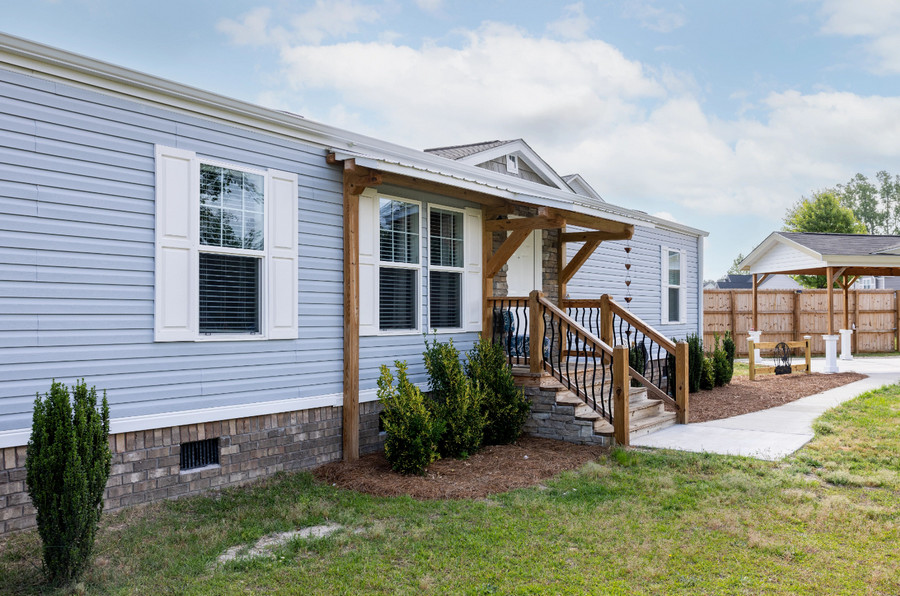
What Affects Mobile Home Property Taxes
Several factors influence yearly property tax amounts in Florida. Buyers should review these costs carefully.
Next, property value is one of the main factors. Higher-value homes usually carry higher taxes.
Then, county tax rates vary across Florida locations.
After that, improvements or additions to the home may increase assessed value.
Mobile Home Property Taxes Explained for Park Residents
Many Florida mobile homes sit inside managed parks. Tax treatment may differ in these communities.
Next, homeowners often pay taxes on the structure only. The park owner usually pays taxes on the land.
Then, residents may still pay monthly lot rent in addition to taxes.
After that, buyers should include both costs in their budget planning.
Tax Benefits and Homestead Exemptions
Florida offers tax exemptions for some homeowners. These programs may reduce yearly tax bills.
Next, buyers who use the home as a primary residence may qualify for homestead exemptions.
Then, eligibility rules depend on residency and ownership requirements.
After that, filing for exemptions early helps avoid missed savings opportunities.
Possible tax benefits include:
- Homestead exemption savings
- Senior tax benefits in some counties
- Disability-related exemptions
- Veteran-related exemptions
How Assessments Affect Tax Bills
Local tax authorities assess property value regularly. These assessments help determine yearly taxes.
Next, home improvements may increase the assessed value.
Then, market conditions can affect future tax changes.
After that, owners should review annual assessment notices carefully.
Paying Property Taxes in Florida
Property taxes are usually paid yearly. Some lenders collect taxes through monthly escrow payments.
Next, buyers who finance their homes should confirm how taxes are handled.
Then, missed tax payments may lead to penalties or legal issues.
After that, keeping records organized helps avoid confusion during tax season.
Mobile Home Property Taxes Explained for Investors
Investors should understand how taxes affect long-term profits. Tax costs impact rental income and resale planning.
Next, investment properties may not qualify for certain exemptions.
Then, park-based homes and land-owned properties may have different tax structures.
After that, reviewing tax records before buying helps investors estimate expenses accurately.
Common Tax Mistakes to Avoid
Some buyers assume all mobile homes receive the same tax treatment. This often creates confusion later.
Next, always confirm whether the home is real or personal property.
Then, avoid ignoring assessment notices or exemption deadlines.
After that, review tax amounts before finalizing any purchase.
Frequently Asked Questions About Mobile Home Property Taxes Explained
How Are Mobile Homes Taxed in Florida?
They may be taxed as real property or personal property.
What Is Real Property Classification?
It means the home and land are taxed together.
Are Park Homes Taxed Differently?
Yes, homes on leased land often use personal property taxes.
Can Mobile Home Owners Get Tax Exemptions?
Yes, some owners qualify for homestead exemptions.
Do Improvements Increase Taxes?
Yes, upgrades may raise assessed value.
Who Pays Land Taxes in Mobile Home Parks?
The park owner usually pays taxes on the land.
Are Property Taxes Paid Monthly?
Some lenders collect taxes through escrow accounts.
Can Investors Get Homestead Exemptions?
Investment properties usually do not qualify.
Why Should Buyers Check Tax Records?
Tax records help estimate yearly ownership costs.
Should I Contact the County Tax Office?
Yes, local offices provide property classification and tax details.
Final Thoughts on Florida Mobile Home Taxes
Mobile home property taxes explained properly can help Florida buyers plan their budgets and avoid confusion. Tax classification, land ownership, and local rules all affect yearly costs. Careful research before buying helps homeowners and investors make smarter financial decisions.