
When it comes to affordable housing, the terms mobile homes and trailer homes are often used interchangeably. However, while they may appear similar at first glance, there are key distinctions between them. Understanding these differences helps potential buyers make informed decisions that align with their lifestyle, financial goals, and long-term plans. In this article, we’ll explore the main contrasts between mobile homes vs. trailer homes, focusing on their construction, design, zoning, and value over time.
Defining Mobile Homes
Mobile homes—commonly referred to as manufactured homes—are factory-built residences constructed under strict federal guidelines established by the U.S. Department of Housing and Urban Development (HUD). These homes are built in controlled environments, ensuring consistent quality and compliance with safety and durability standards.
Once completed, mobile homes are transported to a chosen location and installed permanently or semi-permanently. Their steel chassis and wheels allow them to be moved if necessary, making them an ideal choice for individuals who value flexibility. Because they must meet HUD regulations, mobile homes offer durability and longevity that rival many traditional houses.
In short, mobile homes are designed to provide affordable yet secure housing with modern amenities—bridging the gap between affordability and comfort.
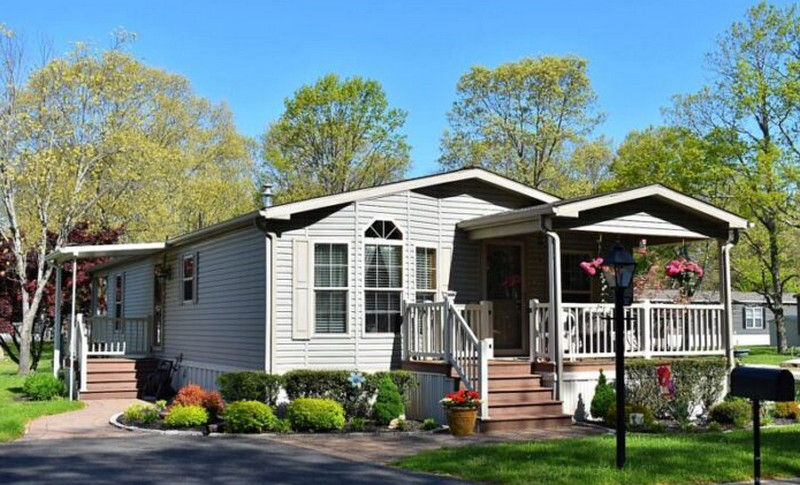
Understanding Trailer Homes
Trailer homes, on the other hand, have a more flexible definition. The term can refer to older-style mobile homes, travel trailers, or even modern tiny homes on wheels. Historically, trailer homes were precursors to mobile homes, built with lightweight materials and designed for temporary or mobile living.
Unlike mobile homes, trailer homes are not regulated by HUD codes. This lack of uniform standards means their quality can vary widely depending on the builder. Many trailer homes are built for short-term stays or seasonal use, rather than as permanent residences.
For instance, some tiny houses on wheels fall into the category of trailer homes. These are popular among minimalist homeowners but may face restrictions when it comes to zoning or long-term placement.
Construction and Building Standards
One of the biggest differences between mobile homes vs. trailer homes lies in their construction requirements.
- Mobile homes: Must meet HUD standards for design, strength, fire safety, and energy efficiency. These regulations ensure that every home meets a consistent level of quality nationwide.
- Trailer homes: Typically do not adhere to any national construction code. Their design and durability depend entirely on the manufacturer, which can lead to inconsistency in safety and performance.
Because of these differences, mobile homes tend to have higher resale value and longer life expectancy. Trailer homes, while often cheaper upfront, can face more maintenance issues over time.
Size and Design Differences
Size is another major distinction between these two housing types. Mobile homes are generally larger, offering more space for families or long-term living. They come in different configurations, such as single-section, double-section, and even triple-section layouts. Many include full kitchens, multiple bedrooms, and modern amenities similar to those found in traditional homes.
Trailer homes, however, are typically smaller and designed for minimalistic living. They focus on efficiency rather than space. Tiny homes on wheels, for example, maximize storage and layout functionality but may not be practical for larger families.
Mobile homes are ideal for buyers seeking a more permanent, comfortable residence, while trailer homes appeal to individuals valuing portability and simplicity.
Zoning and Placement Regulations
When comparing mobile homes vs. trailer homes, it’s essential to consider zoning laws. Mobile homes are subject to specific zoning regulations that define where they can be placed. They are often found in designated manufactured home communities or on private lots approved for such use.
Trailer homes, however, face more restrictions. Since many are classified as recreational vehicles (RVs), they may not qualify for permanent residency in certain areas. Local ordinances often prohibit full-time living in trailer homes unless specific permits are obtained.
Before purchasing, potential owners should research local zoning laws to ensure they can legally place and live in their home year-round.
Value, Maintenance, and Longevity
The financial aspects of ownership differ significantly between the two. Mobile homes, due to their HUD certification, tend to retain value better—especially when well-maintained and located in desirable parks or communities. Their sturdy construction and long-term housing classification make them a more stable investment.
Trailer homes, however, generally depreciate faster. Because they are not built to permanent housing standards and may be seen as temporary structures, their resale value typically declines over time. Maintenance also plays a crucial role; lower construction standards can mean higher upkeep costs.
FAQs About Mobile Homes vs. Trailer Homes
1. What’s the main difference between mobile homes and trailer homes?
Mobile homes are built under HUD standards for permanent living, while trailer homes are portable and often temporary dwellings.
2. Are mobile homes more durable than trailer homes?
Yes. Mobile homes must meet strict federal codes, making them more durable and weather-resistant.
3. Can trailer homes be lived in year-round?
In some areas, yes, but zoning laws often restrict long-term occupancy in trailer homes.
4. Do mobile homes appreciate in value?
Mobile homes can retain or even appreciate in value depending on location, upkeep, and market conditions.
5. Are trailer homes cheaper than mobile homes?
Generally, yes. Trailer homes have lower upfront costs but may require more maintenance over time.
6. Can I move my mobile home easily?
Yes, mobile homes are designed for relocation, but the process requires professional movers and permits.
7. Do both mobile and trailer homes qualify for financing?
Mobile homes often qualify for traditional loans, while trailer homes may require alternative financing or cash purchases.
8. Where can I place a mobile home legally?
In designated manufactured home communities or on private lots zoned for mobile home use.
9. Are trailer homes the same as RVs?
Not exactly. Some trailer homes are classified as RVs, but not all RVs are trailer homes.
10. Which is better for long-term living?
A mobile home is generally the better choice due to its durability, safety, and zoning flexibility.
Final Thoughts on Mobile Homes vs. Trailer Homes
Understanding the differences between mobile homes vs. trailer homes is crucial for anyone considering affordable housing options. Mobile homes provide stability, safety, and longevity, making them ideal for permanent living. Trailer homes, while offering portability and flexibility, may be better suited for short-term or seasonal use.
Ultimately, your choice depends on your lifestyle and long-term goals. If you value mobility and simplicity, a trailer home may suffice. But if you seek a durable, comfortable, and investment-worthy residence, a mobile home is the clear winner.
As the demand for affordable housing continues to grow, knowing these distinctions ensures you make a well-informed decision that fits your needs, budget, and future plans.