
As housing costs continue to rise, more people are turning to prefabricated homes and mobile homes as affordable and flexible living options. While both are built in factories and share some similarities, they differ significantly in design, construction, and legal classification. Understanding these differences can help buyers make informed decisions that align with their lifestyle and long-term goals.
In this article, we’ll explore what sets prefabricated homes apart from mobile homes — from construction methods to customization options, regulations, and overall value.
Understanding the Basics of Prefabricated Homes and Mobile Homes
Both prefabricated and mobile homes are built off-site, but how they are designed and installed makes all the difference.
Definition and Construction
Prefabricated Homes
Prefabricated homes, also known as modular or prefab homes, are built in factories in sections (modules) and then transported to a building site for assembly. Each module is carefully engineered and constructed using precision equipment in a controlled environment. Once the modules arrive on-site, they are assembled on a permanent foundation to form a complete home.
Because they are built to strict local and state codes, prefabricated homes can be as durable and customizable as traditional houses. They can range from simple, single-story homes to luxurious multi-level designs, offering flexibility for homeowners who want long-term stability and style.
Mobile Homes
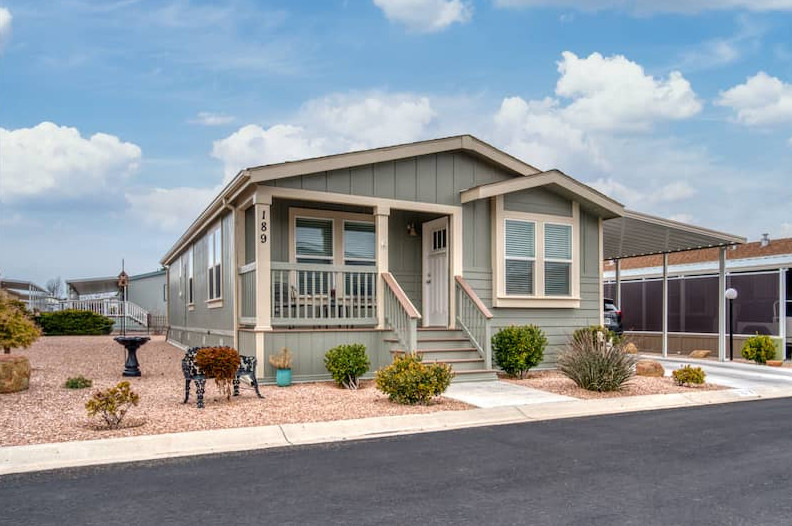
Mobile homes — or manufactured homes — are also built in factories, but unlike prefab homes, they are constructed on a permanent steel chassis with wheels. This allows them to be transported easily and placed in mobile home communities or on private lots.
Most mobile homes come in single-wide or double-wide formats, with standardized floor plans and amenities. Although they are designed for mobility, many mobile homes remain stationary once installed.
Design and Customization Options
Prefabricated Homes
One of the biggest benefits of prefabricated homes is their level of customization. Buyers can choose from a variety of designs, layouts, finishes, and energy-efficient options. Homeowners can personalize everything — from flooring and cabinetry to solar panels and eco-friendly insulation.
This flexibility allows homeowners to create a modern and sustainable living space that fits their budget and aesthetic preferences. Prefab homes can even meet green certification standards, appealing to environmentally conscious buyers.
Mobile Homes
Mobile homes also offer customization options, though to a lesser extent. Since they are built on chassis with fixed dimensions, design flexibility is somewhat limited. Manufacturers may offer upgrades like better flooring, modern appliances, or premium fixtures, but the layout typically remains standardized.
Still, modern mobile homes have improved tremendously in design and comfort, providing stylish and practical spaces for individuals and families alike.
Legal Classifications and Regulations
Prefabricated Homes
Prefabricated homes are classified as real property because they are permanently installed on a foundation. This means they are subject to local building codes, zoning laws, and property taxes — similar to site-built homes. Homeowners must also obtain construction permits and pass inspections to ensure the structure meets safety and structural standards.
This legal status gives prefab homeowners more stability and potential for long-term value appreciation.
Mobile Homes
Mobile homes are legally classified as personal property (not real estate), unless they are permanently affixed to owned land. They are regulated by the U.S. Department of Housing and Urban Development (HUD), which enforces strict safety and energy standards.
Additionally, mobile home parks often have their own rules for residents regarding maintenance, renovations, and community conduct. While this can create a convenient, managed environment, it also means less autonomy compared to owning a prefabricated home on private land.
Affordability and Accessibility
Prefabricated Homes
Prefabricated homes are known for being more affordable than traditional stick-built houses. Since they’re built in a factory, labor and material costs are more predictable, and construction time is shorter. These factors can reduce overall costs while maintaining high-quality craftsmanship.
Prefab homes appeal to those looking for a permanent home with lower costs and customizable features — a great option for growing families or anyone seeking long-term homeownership without overspending.
Mobile Homes
Mobile homes, on the other hand, remain one of the most affordable housing options available. They’re especially popular among first-time homebuyers, retirees, or those looking for budget-friendly living. Mobile homes typically have lower purchase prices and can be financed through specialized lenders.
However, it’s important to account for recurring costs such as lot rent, utilities, and park fees, which can vary depending on location and community amenities.
Durability and Longevity
Prefabricated Homes
Prefabricated homes are built to meet local construction standards, which ensures long-lasting durability. Many use advanced materials and energy-efficient technologies, making them resilient to harsh weather and environmental conditions. With proper maintenance, prefab homes can last as long as — or even longer than — traditional houses.
Because they’re built in controlled environments, the risk of weather-related construction delays or quality issues is minimal.
Mobile Homes
Mobile homes are less durable than prefabricated homes, primarily because they’re built for mobility. While newer models use better materials and construction methods, they can still be more vulnerable to weather and structural wear over time.
However, with consistent maintenance and protection from severe elements, mobile homes can remain safe and comfortable for decades.
Frequently Asked Questions
1. What is the main difference between prefabricated homes and mobile homes?
Prefabricated homes are built in sections and assembled on permanent foundations, while mobile homes are built on wheels for transportability.
2. Are prefabricated homes permanent?
Yes. Prefabricated homes are installed on a foundation and considered permanent structures.
3. Are mobile homes cheaper than prefab homes?
Generally, yes. Mobile homes cost less upfront but may depreciate faster than prefab homes.
4. Do prefab homes appreciate in value?
When built on owned land, prefabricated homes can appreciate similarly to traditional houses.
5. Can I customize my prefab home?
Absolutely. Prefabricated homes offer extensive customization options for layout, finishes, and energy efficiency.
6. How long does it take to build a prefabricated home?
Prefab homes can typically be built and installed within 3–6 months, depending on size and design.
7. Do mobile homes follow building codes?
Mobile homes follow HUD standards, while prefabricated homes follow local and state building codes.
8. Can I move a mobile home?
Yes, mobile homes are designed for relocation, though moving them can be costly and requires proper permits.
9. Which is more energy-efficient — a prefab or mobile home?
Prefabricated homes generally offer better energy efficiency because they can include advanced insulation and eco-friendly features.
10. Which option is better for long-term investment?
Prefabricated homes typically offer better long-term value since they are treated as real property and can appreciate over time.
Final Thoughts
Choosing between a prefabricated home and a mobile home ultimately depends on your lifestyle, budget, and long-term goals. Prefabricated homes offer permanence, design flexibility, and long-lasting durability, making them ideal for homeowners seeking stability. Mobile homes, on the other hand, provide affordability and flexibility, perfect for those who prioritize cost savings and mobility.
Both housing options present excellent alternatives to traditional construction. By weighing your priorities — whether it’s customization, price, or location — you can confidently decide which home type best suits your future.
If you’re exploring affordable, modern housing, prefabricated homes and mobile homes both provide pathways to comfortable, sustainable living.
See Also:
- Is a Mobile Home the Best Option for a Newlywed Couple?
- Are Mobile Homes Just for Retired and Seniors? Debunking the Stereotype
- Is Buy-to-Rent a Mobile Home Good Investment?
- How to Prepare Your Mobile Home Against Hurricanes
- Things to Consider When Buying a Mobile Home in Sarasota for the First Time