
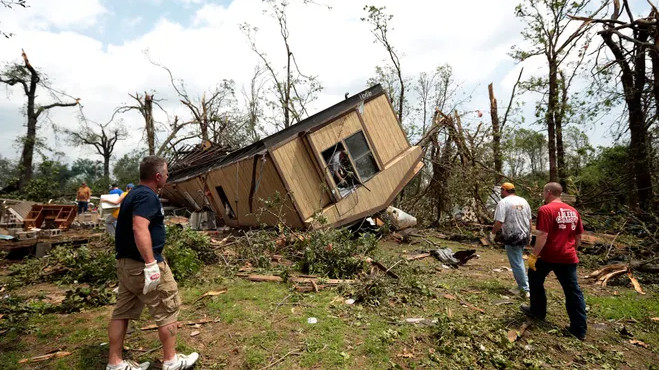
Living in a mobile home offers freedom, affordability, and comfort, but when hurricane season hits, preparation becomes crucial. Florida, especially coastal areas like Sarasota, faces intense storms every year, and mobile homeowners must take proactive steps to safeguard their property. With the right plan and precautions, you can prepare your mobile home against hurricanes and minimize risks to your home and loved ones.
This guide will walk you through effective ways to strengthen your mobile home, create an emergency plan, and stay safe during and after a storm.
Understand the Threat Before It Strikes
The first step in hurricane preparation is knowing your risks. Research your area’s wind and flood zones using local government resources. Check if your neighborhood is in an evacuation zone and locate the nearest shelters.
Keep an eye on official weather updates from trusted sources like the National Hurricane Center and Sarasota County’s emergency management website. Understanding the forecast and potential risks helps you make informed decisions early, especially if evacuation orders are issued.
Additionally, review your insurance coverage before hurricane season begins. Make sure your policy covers wind and flood damage, as these are common during Florida storms.
Secure the Inside of Your Mobile Home
When you prepare your mobile home against hurricanes, focus first on protecting the interior. Strong winds and flying debris can cause significant damage if your home isn’t properly reinforced. Here’s how to get started:
- Window protection: Install durable storm shutters or fit plywood panels securely over windows. Avoid using tape, as it offers little protection from debris.
- Reinforce doors: Strengthen all entry doors with extra locks or braces. Sliding glass doors are especially vulnerable; cover them with plywood or upgrade to impact-resistant glass.
- Seal gaps and cracks: Use weatherproof sealant or silicone caulk around windows, vents, and pipes to prevent water intrusion.
- Secure heavy objects: Anchor furniture and appliances to prevent them from shifting during strong winds. Use straps or brackets for stability.
- Prevent flooding inside: Move valuables and electrical devices to higher shelves or cabinets. Turn off the main water supply to avoid pipe damage and flooding.
Strengthen the Exterior of Your Mobile Home
The outside of your mobile home faces the brunt of a hurricane’s power. Reinforcing the structure and keeping the surroundings clear are key to reducing damage.
- Inspect and tighten anchors: Tie-downs are vital for stabilizing your mobile home. Replace any rusted or damaged anchors and ensure they’re properly tightened using a torque wrench.
- Reinforce the roof: Examine the roof for loose shingles, cracks, or weak spots. Hire a professional if needed to add hurricane straps or additional bracing for extra protection.
- Trim trees and clear debris: Cut back overhanging branches and remove any loose outdoor objects like patio furniture, grills, and gardening tools that could become projectiles.
- Secure skirting and vents: Check that your home’s skirting is firmly attached and vents are sealed to prevent high winds from entering underneath the structure.
Taking these steps can make a significant difference in how well your mobile home weathers the storm.
Prepare an Emergency Plan and Supplies
In addition to reinforcing your home, you should have a solid emergency plan. Preparing supplies ahead of time ensures you can act quickly if a hurricane warning is issued.
- Build a hurricane kit: Include bottled water, non-perishable food, flashlights, extra batteries, a first-aid kit, medications, and hygiene products. Don’t forget to add important tools like a manual can opener and a portable phone charger.
- Protect important documents: Store insurance papers, identification, and medical records in a waterproof, portable container.
- Plan for pets: Prepare carriers, food, and identification tags for your animals. Research pet-friendly shelters in advance.
- Stay connected: Fully charge your phone and backup batteries before the storm. Have a battery-powered radio to receive updates in case of power outages.
Evacuate When Necessary
Even with strong preparation, there are times when evacuation is the safest choice. Follow local evacuation orders immediately and leave early to avoid dangerous road conditions.
Keep your car fueled, and have a go-bag ready with essentials like clothing, food, cash, medications, and emergency supplies. Make sure everyone in your household knows your evacuation route and meeting points.
Never try to ride out a major hurricane in a mobile home. These structures are not designed to withstand extreme wind forces from Category 3 or higher storms.
Post-Storm Safety and Recovery
Once the hurricane passes, proceed with caution when inspecting your property. Avoid downed power lines and report hazards to local authorities.
Document any damage by taking clear photos and videos for insurance claims. Don’t begin repairs until your insurer has assessed the damage unless safety is at risk.
Inspect your anchors, roof, and walls for structural issues before moving back in. If the home sustained flooding, have a professional inspect for mold and electrical hazards.
Frequently Asked Questions
1. Can mobile homes withstand hurricanes?
Modern mobile homes built after 1994 meet stricter HUD wind resistance standards but still need extra precautions.
2. What’s the best way to secure a mobile home during a hurricane?
Inspect tie-downs, add storm shutters, reinforce doors, and remove loose outdoor items.
3. Should I evacuate if I live in a mobile home during a hurricane?
Yes. Always evacuate if authorities issue a mandatory order. Mobile homes are unsafe in high winds.
4. How can I protect my windows?
Install metal storm shutters or plywood cut to fit each window securely.
5. What supplies should I include in a hurricane kit?
Water, food, first-aid supplies, flashlights, batteries, important documents, and medications.
6. How do I know if my home’s anchors are secure?
Have them inspected yearly and tightened with a torque wrench before hurricane season.
7. What insurance do I need for hurricane protection?
Ensure your policy includes both windstorm and flood coverage.
8. Can I use tape on my windows for protection?
No. Tape provides almost no protection and can make glass break into larger, more dangerous pieces.
9. How should I prepare my yard?
Trim trees, secure outdoor items, and clear debris to reduce flying hazards.
10. What should I do after a hurricane?
Inspect for damage, avoid hazards, contact your insurance company, and document everything with photos.
Final Thoughts
Taking the time to prepare your mobile home against hurricanes can mean the difference between safety and disaster. While mobile homes are more vulnerable than traditional houses, proactive maintenance, strong anchoring, and proper planning can significantly reduce risks.
Every step you take — from securing windows to creating a hurricane kit — builds a layer of protection for your family and property. Don’t wait until a storm is on the radar. Make hurricane preparation a part of your annual routine.
With smart planning, vigilance, and community awareness, you can face Florida’s hurricane season with confidence, knowing your mobile home is ready to weather the storm.
See Also:
- Things to Consider When Buying a Mobile Home in Sarasota for the First Time
- Top 10 Mobile Home Parks Sarasota
- Should You Buy A Double Wide Or Single Wide Mobile Home In Sarasota Florida?
- Why a Mobile Home Park Could Be a Profitable Investment
- Sarasota Mobile Home Plumbing: When Has The Plumbing Been Replaced In Your Mobile Home?