
Buying a mobile home can be a smart, affordable choice for homeowners looking for flexibility and convenience. However, before making the purchase, performing a thorough inspection is essential. A proper inspection can save you from costly repairs, uncover hidden issues, and give you the confidence that your investment is sound.
A mobile home inspection is a critical step in the buying process. By understanding what to look for, you can make informed decisions and negotiate effectively with the seller. Below, we outline key inspection tips before buying a mobile home that will help you avoid potential pitfalls.
Why Mobile Home Inspections Matter
Inspections are essential because mobile homes have unique construction and maintenance considerations compared to traditional houses. While mobile homes are generally more affordable, they can also face problems that aren’t immediately visible, such as water damage, structural weaknesses, or electrical issues.
Taking the time to inspect a mobile home gives you insight into its condition and helps you plan for any necessary repairs. Furthermore, lenders often require inspections as part of the financing process. Even if you are paying in cash, a detailed inspection ensures you are not overlooking major concerns that could lead to significant expenses later.
Additionally, inspections provide leverage during negotiations. If issues are discovered, you can ask the seller to repair them or adjust the price accordingly. Overall, performing a thorough inspection is an investment that protects your financial and personal interests.
Key Areas to Inspect
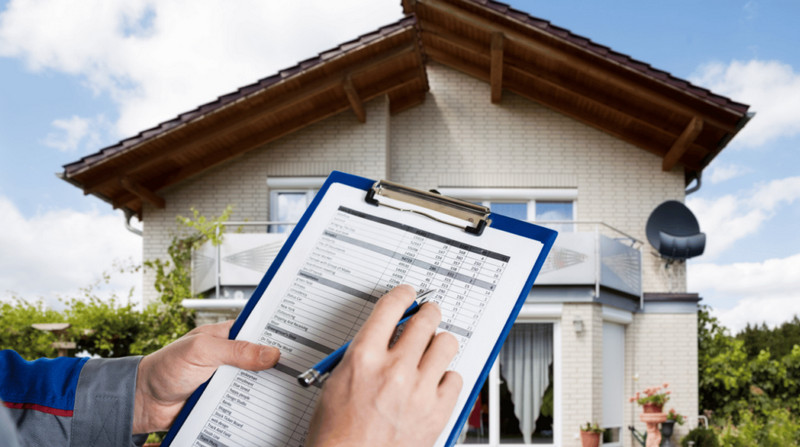
When inspecting a mobile home, pay close attention to critical areas that often cause problems.
- Water Damage: Check around windows, doors, under sinks, and near plumbing fixtures. Water stains, discoloration, or soft spots on walls and ceilings may indicate leaks. Don’t forget to inspect the roof for missing shingles or cracks, as these can lead to serious water intrusion.
- Floors and Foundation: Look for uneven floors, soft spots, and cracks in the foundation. Gaps between walls and floors can invite pests, while unlevel foundations may indicate structural issues. Older homes may show minor wear, but larger problems require professional evaluation.
- Vapor Barrier: This critical layer prevents moisture from penetrating walls. Check for holes, tears, or improper installation. A compromised vapor barrier can cause mold growth and water damage, leading to expensive repairs.
- Air Conditioning Units: Test the AC unit to ensure it blows cold air and inspect it for rust or leaks. Older units may need replacement, so ask the seller about past repairs and maintenance records.
Additional Inspection Considerations
Other essential components include doors, windows, and electrical systems.
- Doors and Windows: Make sure all doors and windows open and close smoothly. Check for water damage, gaps in caulking, and proper locks. Single-pane windows may affect energy efficiency compared to double-pane alternatives.
- Electrical Systems: Test outlets, switches, and circuit breakers. Look for exposed wires, frayed cords, or signs of overheating. Electrical issues can pose fire hazards, so consider hiring a professional electrician if needed.
- Leaks and Wet Spots: Check ceilings, walls, and flooring for signs of moisture. Water damage can be caused by roof leaks, plumbing problems, or condensation. Identify both visible and underlying causes to prevent future issues.
Conducting a thorough inspection of these areas helps identify costly problems before purchasing a mobile home.
Hiring an Inspector vs. Inspecting Yourself
You can either hire a certified mobile home inspector or perform the inspection yourself. Each option has advantages and disadvantages.
Hiring a professional ensures a detailed, unbiased evaluation. Inspectors are trained to spot potential issues that may not be visible to the untrained eye, such as hidden water damage, foundation problems, or electrical concerns. This provides peace of mind and documentation for negotiations.
On the other hand, self-inspecting can save money, but it requires knowledge and attention to detail. You must examine every aspect of the home, from the roof to the flooring, to avoid overlooking potential hazards. Without proper expertise, there is a risk of missing issues that could impact safety and finances.
Ultimately, choosing between a professional or self-inspection depends on your experience, budget, and comfort level with the inspection process. Regardless of your approach, taking the time to inspect carefully is crucial for any mobile home purchase.
FAQs on Mobile Home Inspections
1. Why is inspecting a mobile home important?
It identifies hidden issues like water damage, structural problems, and electrical hazards before purchase.
2. Can I inspect a mobile home myself?
Yes, but you must know what to look for. Hiring a certified inspector provides more thorough and professional results.
3. What areas are most critical to inspect?
Focus on water damage, floors, foundation, vapor barrier, AC units, doors, windows, and electrical systems.
4. How do I check for water damage?
Look for discoloration, soft spots, leaks near plumbing fixtures, and roof damage.
5. Should I inspect the foundation?
Absolutely. Cracks, uneven surfaces, and gaps between walls and floors can indicate major issues.
6. What is a vapor barrier?
It’s a layer that prevents moisture from entering walls, reducing the risk of mold and structural damage.
7. Are electrical inspections necessary?
Yes. Faulty wiring, exposed cords, or overloaded circuits can pose fire hazards.
8. Do doors and windows matter?
Yes. They affect security, insulation, ventilation, and energy efficiency.
9. How do AC units affect inspection?
Check for proper operation, age, leaks, and maintenance history to avoid costly replacements.
10. Can inspection findings influence the purchase price?
Yes. Identified issues can be negotiated with the seller or used to request repairs before closing.
Bottom Line on Mobile Home Inspections
Performing a thorough inspection before buying a mobile home is essential for protecting your investment. By focusing on critical areas like water damage, floors, foundation, vapor barriers, AC units, doors, windows, and electrical systems, you can avoid unexpected expenses and ensure a safe, comfortable home.
Whether you hire a professional inspector or conduct the inspection yourself, following these inspection tips before buying a mobile home will provide peace of mind and a clearer understanding of the property’s condition. Taking the time to do it right ensures that your mobile home investment is secure and avoids costly surprises in the future.