
Mobile home lot rent Florida buyers pay can have a major impact on housing affordability. Many shoppers focus on the home’s purchase price. Yet monthly lot rent often becomes one of the largest ongoing expenses.
Florida has thousands of mobile home communities. Many offer attractive amenities and convenient locations. At the same time, lot rent rates vary widely from one community to another.
This guide explains what lot rent includes, how it affects affordability, and what buyers should review before purchasing a mobile home in Florida.
What Is Mobile Home Lot Rent?
Lot rent is the monthly fee paid for the land beneath a mobile home.
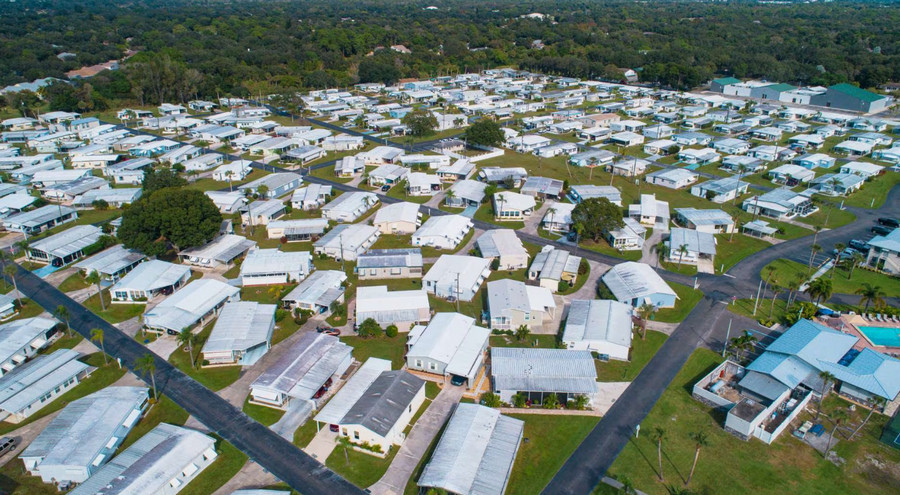
In many Florida communities, residents own the home but lease the land from the park owner. The monthly payment grants the right to keep the home on that site.
Lot rent differs from a mortgage payment. It does not build equity. Instead, it covers the use of the property and, in many cases, community services.
Understanding this cost helps buyers calculate the true monthly expense of homeownership.
Why Lot Rent Is Common in Florida
Florida has one of the largest concentrations of mobile home parks in the country.
Many communities were developed specifically for retirees, seasonal residents, and affordable housing seekers. Leasing the land allows residents to purchase homes at lower upfront costs.
As a result, many buyers can enter the housing market without purchasing both the home and land.
This arrangement creates affordability advantages for some buyers. Yet long-term costs deserve careful review.
What Does Lot Rent Usually Include?
Lot rent packages vary by community.
Some communities include only the land lease. Others bundle several services into the monthly payment.
Common inclusions may include:
- Lawn maintenance
- Trash collection
- Community amenities
- Road maintenance
- Common area upkeep
Certain parks include water or sewer services. Others charge separately.
Always ask for a complete breakdown before purchasing.
Mobile Home Lot Rent Florida Costs by Location
Location plays a major role in determining lot rent.
Communities near beaches, major cities, and popular retirement destinations often charge higher rates.
Several factors affect pricing:
- Community amenities
- Local demand
- Property size
- Park age
- Geographic location
A community near the Gulf Coast may charge substantially more than one located inland.
Comparing multiple areas can reveal significant differences in monthly expenses.
How Lot Rent Affects Housing Affordability
Many buyers focus on the home’s asking price alone.
Yet monthly affordability depends on more than the purchase amount.
A buyer might purchase an affordable home. Still, high lot rent could increase monthly housing costs considerably.
When calculating affordability, include:
- Mortgage payment
- Lot rent
- Insurance
- Utilities
- Property taxes
- Maintenance expenses
A complete budget provides a more accurate picture of long-term costs.
Questions to Ask Before Buying
Many buyers fail to ask enough questions about lot rent.
Before making an offer, request detailed information from management.
Important questions include:
- What is the current lot rent?
- How often do increases occur?
- Are utilities included?
- Are there extra community fees?
- Are future increases planned?
Written answers provide better protection than verbal promises.
Review all documents carefully before signing.
Mobile Home Lot Rent Florida Increases Explained
Lot rent rarely remains unchanged forever.
Community owners may adjust rates based on operating expenses, local demand, property improvements, and market conditions.
Buyers should understand how increases are handled within the community.
Request information regarding:
- Historical rent increases
- Notice requirements
- Lease terms
- Annual adjustment policies
Reviewing this information can prevent unpleasant surprises after moving in.
Comparing Communities Beyond Lot Rent
The lowest lot rent does not always provide the best value.
Some communities charge more but include amenities and services that reduce other expenses.
Amenities may include:
- Swimming pools
- Clubhouses
- Fitness centers
- Gated entrances
- Organized activities
Compare total value rather than focusing only on monthly rent.
A slightly higher payment may provide benefits that justify the additional cost.
Age-Restricted and Family Communities
Florida offers both age-restricted and all-age communities.
Age-restricted communities typically serve residents aged 55 and older. Family communities welcome residents of various ages.
Lot rent can vary between these community types.
Community rules, amenities, and resident services may influence pricing.
Review each community’s policies before making a purchase decision.
Understanding Community Rules
Lot rent covers more than land use. It often comes with community regulations.
Rules may address:
- Pet ownership
- Parking
- Landscaping
- Home modifications
- Guest stays
Understanding these requirements before purchasing helps avoid future conflicts.
Ask for a copy of the rules during your research process.
How to Budget for Long-Term Affordability
A smart budget extends beyond today’s expenses.
Many buyers calculate current costs but overlook future increases.
Create a budget that accounts for:
- Potential rent increases
- Insurance adjustments
- Maintenance needs
- Utility changes
- Emergency repairs
Planning ahead helps reduce financial stress later.
A realistic budget supports better purchasing decisions.
Alternatives to Paying Lot Rent
Some buyers prefer owning both the home and the land.
Purchasing a mobile home on private property eliminates monthly lot rent obligations.
Benefits may include:
- Greater control of the property
- No community lot fees
- More privacy
- Long-term land ownership
Yet these properties often carry higher purchase prices.
Compare both options carefully before deciding.
Finding Mobile Homes in Florida Communities
Florida offers a wide range of mobile home communities and housing options.
Many buyers begin their search with The Mobile Home Dealer. The website provides listings throughout Florida and helps buyers compare homes in different communities.
If you are ready to buy a mobile home, reviewing available listings can help you evaluate both home prices and community costs before making a decision.
Common Mistakes Buyers Make
Many buyers underestimate the impact of lot rent.
Common mistakes include:
- Ignoring future rent increases
- Focusing only on home price
- Skipping community research
- Failing to review park rules
- Overlooking additional fees
Taking time to research each community can help avoid these issues.
Frequently Asked Questions
What is mobile home lot rent?
Lot rent is the monthly fee paid to lease the land beneath a mobile home.
Does lot rent include utilities?
Some communities include certain utilities, while others charge separately.
Can lot rent increase?
Yes. Many communities adjust lot rent periodically.
Is lot rent the same as a mortgage?
No. Lot rent pays for land use, while a mortgage finances property ownership.
How much is mobile home lot rent Florida residents typically pay?
Rates vary significantly based on location, amenities, and community demand.
Are there communities without lot rent?
Yes. Homes located on privately owned land do not require lot rent.
Why do some communities charge higher lot rent?
Location, amenities, maintenance, and demand often influence pricing.
Should I review community rules before buying?
Yes. Community rules affect daily living and ownership responsibilities.
Can retirees find affordable lot rent communities?
Many Florida communities cater to retirees with various pricing options.
Does lot rent affect overall affordability?
Yes. Lot rent is a major factor in total monthly housing costs.
Final Thoughts
Mobile home lot rent Florida buyers encounter can significantly affect long-term affordability. Looking beyond the home’s purchase price helps create a more accurate budget. Review community policies, compare several locations, and understand future rent expectations before making a purchase. Careful planning can help you find a mobile home that fits both your lifestyle and financial goals.