
When people hear the phrase “mobile home,” they often picture quiet retirement communities filled with retirees enjoying the Florida sun. While that image holds some truth, it only tells part of the story. Today’s mobile homes have evolved far beyond their traditional reputation. They’re not just for retirees — they’re for anyone seeking affordable, comfortable, and flexible living.
So, are mobile homes just for retired and seniors? Absolutely not. In fact, they’re becoming an increasingly popular option for young families, first-time buyers, and even professionals looking for affordable homeownership in a competitive housing market.
Beyond Retirement: The Changing Landscape of Mobile Homes
The perception that mobile homes are primarily for seniors originates from decades of targeted marketing toward retirees looking to downsize. Age-restricted communities — often labeled “55+” — strengthened this image. But over time, manufactured housing has evolved dramatically.
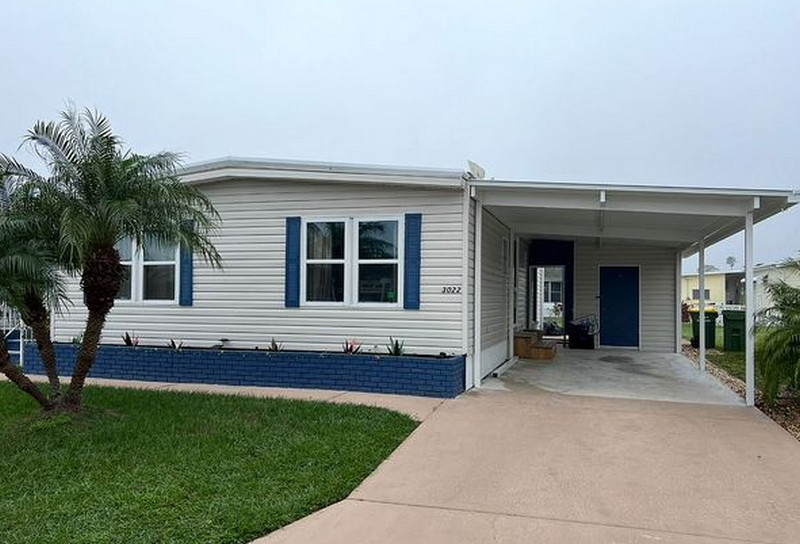
Modern mobile homes now feature open floor plans, energy-efficient designs, and stylish finishes that rival traditional homes. Many of these homes even include smart technology and high-quality construction that meet federal HUD safety standards.
These improvements have broadened the appeal of mobile homes. Today, they serve not only retirees but also millennials, growing families, and individuals seeking to escape the high costs of traditional real estate. The flexibility, affordability, and community lifestyle offered by mobile home living make it accessible to almost everyone.
Why Mobile Homes Appeal to All Generations
There are plenty of reasons why mobile homes have become an attractive choice across age groups. From affordability to sustainability, the advantages are hard to ignore.
- Affordability: The most compelling benefit is cost. Mobile homes typically cost far less than traditional single-family homes, making them ideal for first-time buyers and families on a budget. Lower prices allow homeowners to allocate savings toward education, travel, or personal goals.
- Customization and Comfort: Today’s mobile homes come in a variety of styles, sizes, and layouts. Buyers can personalize their homes with custom cabinetry, modern appliances, and energy-efficient upgrades. This flexibility ensures that every homeowner can find a home that suits their needs and tastes.
- Community Living: While there are age-restricted communities for retirees, many mobile home parks welcome families, professionals, and individuals of all ages. These communities often feature amenities such as swimming pools, playgrounds, and event spaces that encourage connection and shared experiences.
- Mobility and Flexibility: Although mobile homes aren’t “mobile” in the everyday sense, they can be relocated if needed. This makes them a practical option for people whose work or family situations may require moving to another city or region.
- Sustainability and Efficiency: Modern mobile homes are built with sustainability in mind. Energy-efficient insulation, smart thermostats, and eco-friendly materials help reduce utility bills while minimizing environmental impact.
Challenges to Keep in Mind
While mobile homes offer impressive benefits, buyers should also consider potential challenges. Understanding these factors helps make informed decisions before purchasing.
- Financing: Obtaining loans for mobile homes can be more complex compared to traditional real estate. However, many lenders now offer financing options specifically for manufactured homes, especially those placed on owned land.
- Resale Value: Unlike traditional homes, mobile homes may depreciate over time. Still, maintaining the property well and placing it in a desirable location can help preserve its value.
- Zoning and Regulations: Some localities have restrictions on where mobile homes can be placed. Buyers should research zoning laws and community guidelines before making a purchase.
Despite these challenges, many owners find that the financial and lifestyle advantages far outweigh the potential drawbacks.
Breaking the Stereotype: Who Lives in Mobile Homes Today?
So, are mobile homes just for retired and seniors? Not anymore. The demographics of mobile home residents have diversified significantly in recent years.
Young families are drawn to mobile homes for their affordability and sense of community. Professionals who work remotely find them ideal for achieving homeownership without high mortgage costs. Even environmentally conscious individuals prefer manufactured homes for their smaller carbon footprint.
Furthermore, mobile home parks are no longer just quiet retirement enclaves — they are dynamic, inclusive neighborhoods that welcome people from all walks of life. This shift in perception highlights the growing acceptance of mobile homes as a mainstream housing solution.
Frequently Asked Questions
1. Are mobile homes only for retirees?
No. While many retirees choose them, mobile homes are now popular among families, young professionals, and first-time buyers.
2. What makes mobile homes affordable?
They cost less to build and maintain than traditional homes, offering a budget-friendly path to homeownership.
3. Can families with children live in mobile home parks?
Yes. Many parks cater to families, offering playgrounds, pools, and family-oriented activities.
4. Do mobile homes hold their value?
Value depends on factors like maintenance, location, and whether you own the land. Some homes appreciate if well cared for.
5. Are mobile homes safe in bad weather?
Modern mobile homes built after 1994 meet strict HUD wind and safety standards, making them much safer than older models.
6. Can I customize a mobile home?
Absolutely. Buyers can choose floor plans, finishes, and energy-efficient features that fit their style and budget.
7. Do mobile homes qualify for financing?
Yes, but financing terms differ from traditional mortgages. Specialized lenders or credit unions often offer manufactured home loans.
8. Are mobile home communities all age-restricted?
No. While some are 55+, many are open to all ages, offering diverse and vibrant communities.
9. Can I move my mobile home if I relocate?
Yes, though it involves logistical planning and costs. Some homeowners choose to move their homes to different parks or properties.
10. Are mobile homes energy efficient?
Modern mobile homes are built to meet strict energy standards, helping reduce utility costs and environmental impact.
Final Thoughts
The idea that mobile homes are just for seniors is quickly becoming outdated. These homes offer a flexible, affordable, and sustainable living option for people at all stages of life. Whether you’re a young professional seeking independence, a family searching for an affordable home, or a retiree looking to downsize, mobile homes provide value and comfort that fit modern lifestyles.
By redefining what manufactured housing can be, the industry is helping reshape the future of affordable living. So, the next time someone asks, “are mobile homes just for retired and seniors?”, you’ll know the answer — they’re for anyone ready to embrace an affordable, modern, and community-oriented way of life.
If you’re considering a mobile home, explore local communities, research financing options, and take a tour of today’s modern models. You might be surprised by how much the industry has evolved — and how easily a mobile home can fit into your version of the American dream.