
Have you ever heard of a vapor barrier? Many mobile home Buyers and Sellers in the Sarasota Florida area are unfamiliar with this essential component. Essentially, a vapor barrier is a large black sheet attached to the underbelly of a mobile home. It runs along the entire length and width of the home but typically does not cover Florida rooms, carports, or outbuildings.
Vapor barriers protect the underside of the home, including the subfloor, plumbing, and any attached fixtures, from moisture and critters. If a barrier is missing or damaged, it can be repaired or replaced by a local professional at a reasonable cost. Most mobile homes come with a factory-installed vapor barrier, but over time, wear and tear can reduce its effectiveness. Regular inspection ensures it continues to perform its job properly.
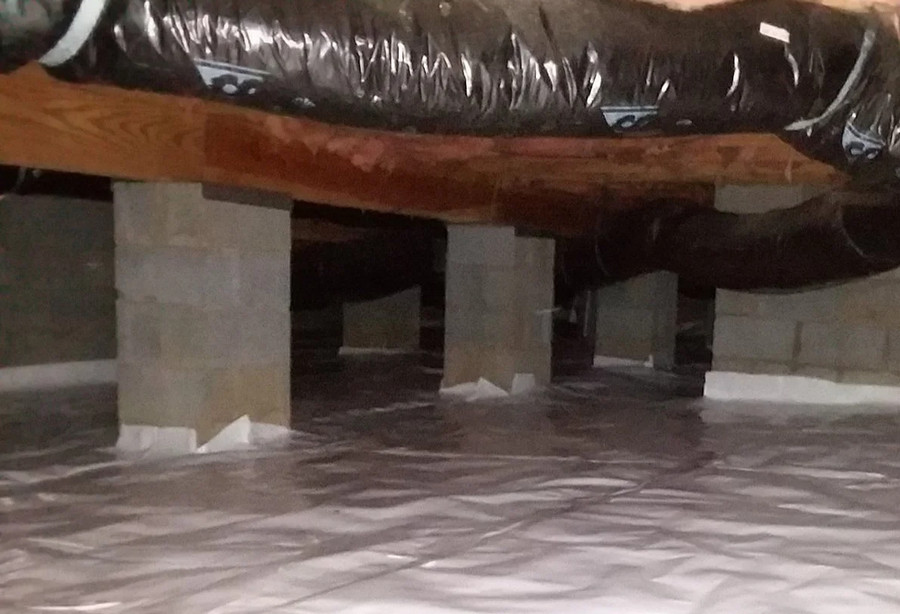
How Vapor Barriers Protect Your Mobile Home
The subflooring of mobile homes is wood-based, making it highly susceptible to moisture damage. Without a functional vapor barrier, condensation or crawl space moisture can cause wet spots, sagging, or even holes in the floor over time. Additionally, pests can easily damage plumbing if the barrier is compromised. Therefore, maintaining a solid vapor barrier is a proactive step that prevents costly repairs and preserves the integrity of your home.
Moisture accumulation can come from multiple sources. Crawl space moisture develops when water collects beneath the home, cooling as it meets the air and increasing humidity. Simultaneously, interior activities like cooking, bathing, or washing can raise indoor humidity, creating condensation that may stain surfaces and promote mold growth. In both cases, vapor barriers act as a protective shield, controlling moisture levels.
Types of Vapor Barriers
Vapor barriers are categorized into three types depending on permeability, material, and cost:
- Class I: Permeance less than 0.1, providing the highest moisture protection.
- Class II: Permeance between 0.1 and 1, using materials like asphalt-backed kraft paper and unfaced expanded polystyrene.
- Class III: Permeance between 1 and 10, including cellulose insulation, board lumber, fiberglass insulation, and gypsum board.
Class I barriers are ideal if budget allows, offering maximum protection against moisture and critters. Choosing the correct type depends on your mobile home requirements, budget, and long-term maintenance goals.
Installation and Maintenance
Installing vapor barriers can be straightforward for DIY enthusiasts, but professional installation ensures complete coverage and longevity. Regular inspections before buying a mobile home are critical; a missing or severely damaged barrier can indicate larger issues within the home. By addressing these problems early, homeowners prevent structural damage, mold, and pest infestations.
Conclusion
In conclusion, understanding whether vapor barriers are needed on a mobile home is crucial for protecting your investment. These barriers safeguard wood subflooring, plumbing, and attachments from moisture and pests while reducing the risk of costly repairs. Always inspect or replace the barrier when necessary to maintain a safe, healthy living environment.
This is Mark Kaiser with The Mobile Home Dealer, and we help mobile home Buyers and Sellers get to a better place in life.