
Many Florida residents consider relocating a mobile home to their own property for affordability, flexibility, or lifestyle reasons. However, the decision involves understanding regulations, zoning rules, transportation requirements, and associated costs. If you’ve ever asked yourself, can I move a mobile home to my property, it’s important to know that the answer depends on state laws, county permitting, and the age and condition of the home.
Mobile homes offer an appealing housing alternative due to their lower purchase price and generally easier maintenance. Yet, moving one is not as straightforward as towing a vehicle. The move must comply with Florida building standards, transportation regulations, and land-use laws, all of which help ensure safety for you and your surrounding community.
Florida Regulations That Affect Mobile Home Relocation
Florida enforces specific regulations to maintain structural safety and protect homeowners from potential hazards. These rules are especially strict regarding older mobile homes and those that were manufactured before modern building codes were established.
Some of the most important regulatory considerations include:
- Age Restrictions: Mobile homes built before June 15, 1976, are considered pre-HUD and are typically not allowed to be moved within the state. These homes often lack required safety construction standards.
- Code Compliance for Older Homes: If the mobile home is over 20 years old, it must pass a structural inspection and meet current Florida code requirements before being relocated.
- Permits and Approvals: You must obtain relocation permits from local building authorities. This includes permission to transport the home and official approval to place it on your land.
These regulations help ensure that only homes that meet current structural and safety standards are moved and installed in the state.
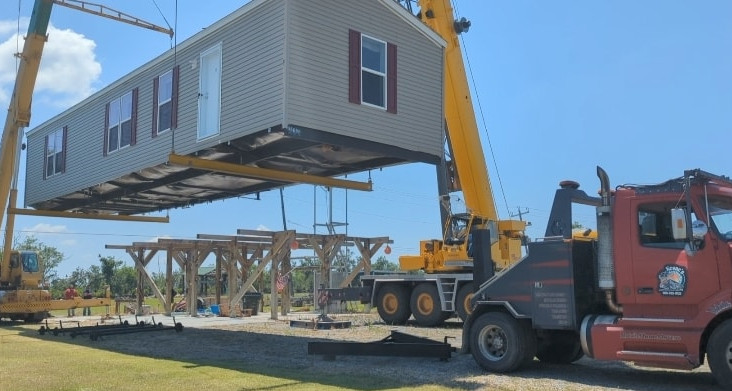
Essential Documentation You Will Need
The amount of documentation required may vary slightly depending on your city or county, but generally, you should expect the following paperwork:
- Proof of ownership, such as a title or bill of sale
- A mobile home moving permit from your local permitting office
- Engineering reports if upgrades are required for compliance
- Foundation and site plans detailing where the home will be placed
- Proof that the moving company you are using is licensed and insured
Failing to present any of these documents could delay the relocation process or result in penalties. Therefore, preparing in advance is key.
Pros and Cons of Moving a Mobile Home to Your Property
Asking can I move a mobile home to my property is also about weighing the benefits and challenges involved.
Pros
- Affordability: Mobile homes are usually cheaper to purchase and renovate compared to building a new house.
- Customization Potential: You can modify and personalize the home as long as you meet county guidelines.
- Lifestyle Consistency: If you already enjoy living in a mobile home, relocating one allows you to maintain that lifestyle on your own land.
Cons
- Complex Regulations: Meeting state and local relocation requirements takes time and effort.
- High Moving Costs: Transporting and reinstalling a mobile home requires professional movers and can be expensive.
- Zoning Limitations: Some neighborhoods or counties do not allow mobile homes on private lots.
- Financing Barriers: Financing can be more limited for used mobile homes placed on private land.
- Depreciation Risk: Unlike traditional homes, mobile homes typically depreciate in value over time.
Additional Factors to Consider Before Moving a Mobile Home
Relocating a mobile home involves more than transportation. Consider these practical factors to avoid unexpected costs:
- Age and Condition of the Home: Older homes may need new roofing, updated supports, or structural reinforcements before moving.
- Property Layout: Your land must have enough space and accessibility for maneuvering the home into place.
- Hidden Costs: Utility connections, skirting, foundation pads, and leveling add to total expenses.
If the home requires major upgrades to meet code requirements, sometimes purchasing a newer mobile home may be more affordable than relocating an older one.
Frequently Asked Questions
1. Is it legal to move any mobile home in Florida?
Not always. Homes built before June 15, 1976, are generally prohibited from being relocated within the state.
2. Do I need permits to move a mobile home?
Yes, you need both transport and installation permits from local authorities.
3. Can I move a mobile home myself?
No. Florida requires a licensed and insured professional mobile home mover.
4. How much does it cost to move a mobile home?
Costs vary but typically range from several thousand to tens of thousands depending on distance and required repairs.
5. Will zoning laws affect my ability to place a mobile home on my land?
Yes. Some areas do not allow mobile homes on private lots, so zoning must be checked first.
6. Who inspects the home before relocation?
A licensed inspector or structural engineer verifies compliance with building codes.
7. Does the home need to be strapped or anchored after moving?
Yes. Mobile homes must be properly anchored according to state code to ensure stability and safety.
8. Can I install additions or extensions after placing the home?
Often yes, but additional permits may be required depending on the structure.
9. What happens if my home does not meet current code?
It must be upgraded before a relocation permit is approved.
10. Is moving a mobile home cheaper than buying new?
Sometimes, but if major repairs are needed, buying newer may be more cost-effective.
Final Thoughts
Asking can I move a mobile home to my property is the first step in a detailed decision-making process. Relocating a mobile home in Florida is possible, but it requires careful planning, compliance with regulations, and realistic budgeting. Understanding code requirements, permits, zoning rules, and additional site preparation costs will help you make a confident and informed decision. Taking your time to research and consult with licensed professionals ensures a smoother and safer relocation experience.