
Buying a manufactured home can be an exciting step, whether you are a first-time homeowner or downsizing for simplified living. However, before finalizing the purchase, it is essential to schedule a manufactured home inspection. Unlike site-built homes, manufactured homes are not always required to undergo inspections during resale, which means it becomes the buyer’s responsibility to ensure the home’s condition is safe, functional, and worth the investment.
A manufactured home inspection helps uncover issues that may not be visible during a quick walk-through. From foundation support to electrical systems, there are several components that can affect safety, long-term maintenance costs, and the structural integrity of the home. Investing in an inspection early prevents major financial surprises later and provides peace of mind when moving into your new home.
Why Manufactured Home Inspections Matter
Manufactured homes are built in factories under the federal HUD code and then transported to a homesite. While this construction style ensures uniform standards, factors such as installation quality, repairs made by past owners, and outdoor exposure can impact the home over time. For these reasons, understanding the current condition of the home is essential.
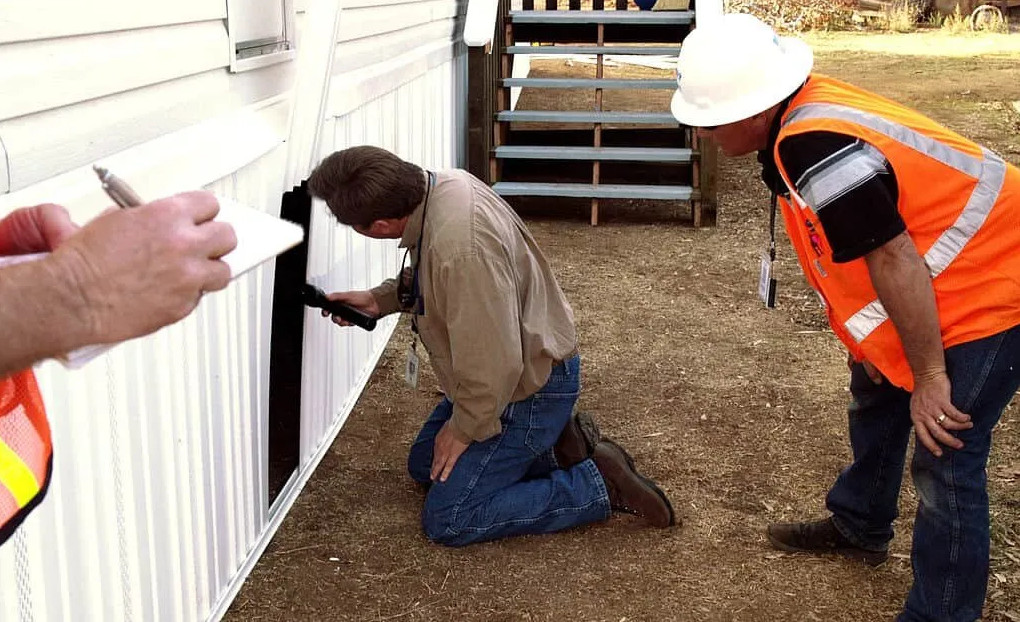
A thorough inspection may reveal:
- Structural weaknesses
- Moisture issues or soft flooring
- Aging electrical wiring
- Plumbing leaks or corrosion
- Roof damage or insulation problems
These issues may lead to costly repairs if left unaddressed. A manufactured home inspection allows buyers to evaluate the true value of the home and potentially negotiate repairs before closing.
Benefits of a Manufactured Home Inspection
- Better Decision-Making: The inspection report outlines the condition of critical systems such as roofing, plumbing, electrical components, and foundation support. With this information, you can confidently decide whether to move forward with the home.
- Negotiation Power: If major concerns are found, the report provides leverage to request repairs or price adjustments from the seller.
- Safety Protection: Older manufactured homes may have outdated wiring or structural concerns. The inspection identifies hazards that could impact your safety.
- Peace of Mind: Knowing the home has been professionally reviewed reduces uncertainty and helps you plan future maintenance.
- Preventing Costly Repairs: Catching early signs of leaks, roof issues, or foundation settling can help avoid major expenses later.
What a Manufactured Home Inspection Typically Includes
A complete inspection evaluates both the structural and mechanical components of the home. Inspectors look for signs of wear, improper installation, safety hazards, and defects.
Areas commonly covered include:
- Foundation and Support System: Ensuring the home is level and secure on its supports.
- Roof and Exterior: Checking for leaks, cracks, worn shingles, and damaged siding.
- Interior Walls, Floors, and Ceilings: Inspecting for soft spots, cracks, water stains, and ventilation problems.
- Windows and Doors: Ensuring frames are sealed properly and open and close smoothly.
- Plumbing System: Checking water pressure, drain function, leaks, and connection integrity.
- Electrical System: Reviewing outlet safety, wiring, breaker functions, and panel stability.
- Heating and Cooling Systems: Testing furnaces, air conditioners, vents, and thermostats.
- Appliances: Testing built-in appliances such as water heaters, ovens, and refrigerators (when included).
Choosing a Qualified Manufactured Home Inspector
Not all home inspectors specialize in manufactured homes. It is important to hire someone familiar with the HUD Code and the unique installation standards of manufactured housing.
Look for inspectors with:
- Experience specifically inspecting manufactured or mobile homes
- Certification from organizations like ASHI or NMHIA
- Knowledge of local installation and tie-down regulations
- Clear sample reports you can review before hiring
Asking questions up front ensures the inspector can accurately evaluate the property.
The Inspection Process and Cost
Most inspections take two to four hours depending on the size and condition of the home. Buyers are encouraged to attend so they can ask questions and better understand the findings. After the inspection, you will receive a written report detailing observations and recommendations.
The cost of a manufactured home inspection typically ranges from $300 to $600. Although this is an upfront expense, it is minor compared to the cost of unexpected structural or mechanical repairs later.
Frequently Asked Questions
1. Is a manufactured home inspection required?
No, but it is strongly recommended for your protection.
2. Does the inspection include looking under the home?
Yes, inspectors usually check the foundation, piers, and moisture barrier.
3. How long does the inspection take?
It typically takes two to four hours depending on the home’s size.
4. Can I negotiate price based on inspection findings?
Yes, the inspection report supports repair requests or price adjustments.
5. Will the inspector check for mold?
They will look for signs of moisture damage; further testing may require a specialist.
6. Can a manufactured home inspection reveal safety hazards?
Yes, especially in electrical systems, flooring stability, and ventilation.
7. Do newer manufactured homes still need inspection?
Yes, even newer homes may have installation or settling issues.
8. Are roofs inspected?
Yes, inspectors evaluate roofing condition and sealing.
9. Does the inspection include the HVAC system?
Yes, the heating and cooling systems are tested for function.
10. Should I attend the inspection?
Yes, attending helps you understand the findings clearly.
Final Thoughts
A manufactured home inspection is one of the most effective ways to protect your investment and avoid unexpected expenses after purchase. It provides valuable insight into the home’s true condition, supports negotiation, and ensures safety before you move in. Considering the long-term importance of your home, the inspection is a small cost that delivers long-lasting confidence and peace of mind.
See Also:
- Is an RV a Mobile Home? Understanding the Differences Between Nomadic Travel and Permanent Dwelling
- Does Mobile Home Insurance Cover Mold in Florida?
- Does a Mobile Home Have Property Tax in Florida?
- Can I Move a Mobile Home to My Property in Florida?
- Do Cold Fronts Affect Sarasota Mobile Home Sales?