
When real estate is discussed in the media, most of the attention goes toward rising prices, bidding wars, and affordability. However, one topic rarely gets the spotlight, even though it directly affects long-term ownership costs. That topic is property taxes. For traditional homeowners, property taxes are a predictable annual expense. For mobile home owners on leased land in Florida, the situation is very different.
Property taxes are yearly fees paid to the county where a home is located. Each Florida county sets its own tax rate, usually based on the assessed value of the property. On average, property taxes across the state hover around 1 percent of a home’s value. Therefore, a $100,000 home could generate a $1,000 annual tax bill.
These tax dollars help fund county services such as road maintenance, public landscaping, schools, police departments, and fire protection. Because of this, most homeowners accept property taxes as part of ownership. However, mobile homes on leased land follow a different set of rules.
Why Mobile Homes on Leased Land Are Treated Differently
At first glance, it seems logical that a mobile home would be taxed like any other house. After all, it looks like a home and functions like one. However, in Florida, mobile homes on leased land are not classified as real property.
Instead, these homes are considered tangible personal property. In practical terms, this means they are treated similarly to automobiles rather than traditional houses. Ownership is established through a title rather than a deed because the land itself is not owned by the homeowner.
Since property taxes are tied to land ownership, mobile home owners who lease the land do not pay property taxes to the county. This distinction alone creates significant annual savings when compared to owning a site-built home.
No Property Taxes, But Required Annual Registration
Although property taxes are not required for mobile homes on leased land, owners are not completely free of yearly obligations. Instead of paying property tax, homeowners must register their mobile home each year with the Florida Department of Motor Vehicles.
This registration fee is calculated based on the size of the home. Specifically, the fee depends on the length and width of the mobile home. For example, if the registration cost is $50 per section and the home is a double-wide, the total annual registration fee would be $100.
While this registration fee is mandatory, it is significantly lower than typical property tax bills. As a result, many buyers view this structure as a major affordability advantage.
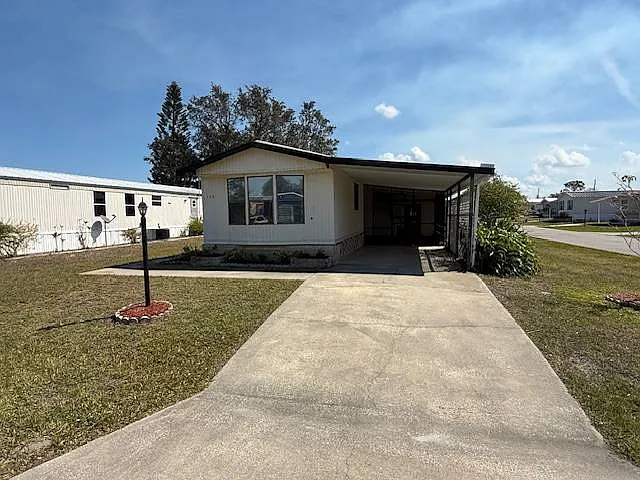
How Florida Handles Mobile Home Tax Classification
The Florida Department of Revenue provides clear guidance on how mobile homes are taxed when they are classified as tangible personal property. A mobile home without a current MH decal as of January 1 is subject to tangible personal property tax for that year.
Paying the annual license tax after an assessment has been made does not cancel the assessment. Therefore, maintaining proper registration and decals is critical for avoiding unexpected tax issues.
If a homeowner purchased the MH decal before January 1 but failed to properly affix it, relief may be requested. Documentation showing timely purchase is required in those situations.
Sales Tax and Repairs on Mobile Homes
While property taxes do not apply, other forms of taxation still exist. Sales and use tax applies to transfers of ownership for mobile homes classified as tangible personal property. Additionally, repairs and improvements are subject to sales tax and any applicable discretionary surtaxes.
This includes labor and materials. Items considered appurtenances, such as carports, sheds, sunrooms, appliances, and exterior air conditioning units, are also subject to sales tax when sold by registered dealers.
Understanding these distinctions helps buyers avoid surprises and plan ownership costs more accurately.
Frequently Asked Questions
Do mobile homes on leased land pay property taxes in Florida?
No, property taxes are not required because the homeowner does not own the land.
Why are mobile homes classified as personal property?
Because ownership is established by title rather than deed when land is leased.
Is there any yearly cost if property taxes are not required?
Yes, mobile homes must be registered annually with the Department of Motor Vehicles.
How is the registration fee calculated?
It is based on the length and width of the mobile home.
Is registration cheaper than property taxes?
In most cases, registration costs are significantly lower.
What happens if the MH decal is missing?
The home may be assessed tangible personal property tax for that year.
Does sales tax apply when buying a mobile home?
Yes, sales and use tax applies to ownership transfers.
Are repairs to mobile homes taxed?
Yes, repairs and improvements are subject to sales tax.
Are carports and sheds taxed?
Yes, appurtenances are subject to sales tax when sold by registered dealers.
Does this tax structure improve affordability?
Yes, the absence of property taxes can significantly lower annual ownership costs.
Bottom Line
Property taxes are a major expense for traditional homeowners, but mobile homes on leased land in Florida follow a different financial model. Because these homes are classified as personal property, owners do not pay county property taxes. Instead, they pay a modest annual registration fee.
When combined with lower purchase prices, this structure can dramatically improve affordability. For many buyers, the lack of property taxes becomes a deciding factor when comparing housing options.
Understanding how mobile home taxation works allows buyers to make informed decisions and accurately evaluate long-term costs. For anyone considering a mobile home on leased land, this distinction is not just helpful knowledge; it is a major financial advantage.