
Mobile homes offer an affordable housing solution for many families, but safety becomes a major concern during hurricane season. Because hurricanes bring destructive winds, flying debris, and possible flooding, many buyers ask whether mobile homes can withstand these extreme conditions. While mobile homes are generally more vulnerable than site-built homes, proper preparation, anchoring, and evacuation planning can greatly improve safety.
How Mobile Homes Compare to Traditional Homes
First, it is important to understand why mobile homes face greater hurricane risks than traditional houses. Most mobile homes use lighter construction materials and sit on less permanent foundations. As a result, strong winds can create uplift pressure that may shift, overturn, or severely damage the structure.
Traditional homes, by comparison, often use concrete foundations, reinforced framing, and heavier roofing materials. Therefore, they usually offer better wind resistance.
However, not all mobile homes perform the same way. Their safety depends on:
- Age of the home
- Quality of construction
- Anchoring system
- Location and exposure
- Storm preparation
Newer manufactured homes often perform significantly better than older units, especially those built after updated safety standards were introduced.
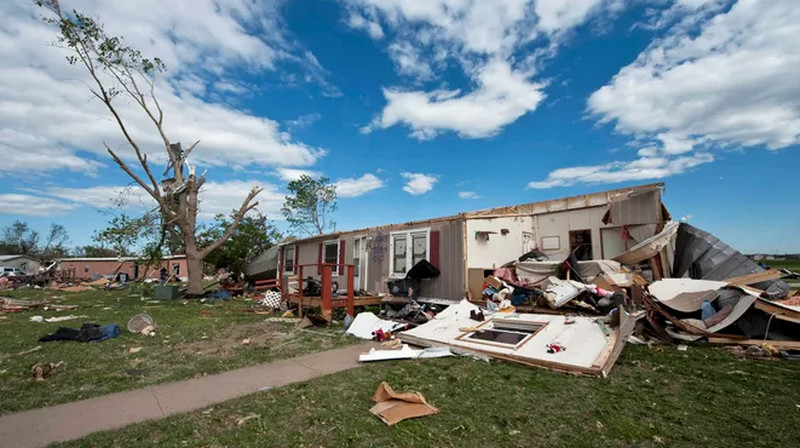
The Importance of Proper Anchoring
One of the most important safety factors is anchoring. A properly anchored mobile home has a much better chance of staying in place during hurricane-force winds.
Anchors and tie-downs secure the structure to the ground or concrete pad. Without them, high winds can lift the home from below and cause catastrophic damage.
Important anchoring elements include:
- Ground anchors: Secure the frame to the earth
- Tie-down straps: Hold the home firmly in place
- Concrete slab support: Adds additional stability
- Skirting: Helps reduce wind flow underneath the home
Additionally, skirting plays an important role by limiting wind uplift. Because wind pressure under the home can increase the risk of movement, properly installed skirting improves overall stability.
Age and Construction Standards Matter
The age of the mobile home makes a major difference in hurricane safety. Homes built before 1976 often do not meet modern construction codes.
In 1976, the HUD code introduced stricter federal standards for manufactured housing. Since then, manufacturers have improved:
- Wind resistance
- Roof construction
- Wall framing
- Anchoring requirements
Therefore, newer homes generally offer better protection during severe weather.
If you own an older mobile home, consider upgrading:
- Roof fasteners
- storm shutters
- window reinforcement
- tie-down systems
These improvements can significantly reduce storm damage.
Hurricane-Resistant Mobile Homes
Some newer manufactured homes are specifically designed for storm-prone areas. These units are often marketed as hurricane-rated or wind-resistant.
Many of these homes can withstand winds of 110 to 140 mph or more, depending on local code requirements.
Look for features such as:
- Reinforced steel frames
- impact-resistant windows
- upgraded roof trusses
- stronger wall bracing
Consequently, if you live in a hurricane-prone area, investing in a storm-rated mobile home may provide greater peace of mind.
Location and Community Safety
Location is another major factor. A mobile home in a well-managed community may be safer than one placed in an isolated area.
Good mobile home parks often provide:
- evacuation routes
- emergency shelters
- strict anchoring rules
- storm response plans
Moreover, communities with a proven disaster response plan can help residents evacuate quickly and safely.
Before buying, check whether the park has established hurricane procedures.
How to Prepare Before a Hurricane
Preparation can greatly reduce the risk of damage.
Take these steps before hurricane season:
- Inspect anchors and tie-downs
- install storm shutters
- reinforce doors and windows
- check the roof for loose shingles
- remove outdoor furniture and debris
- prepare emergency supplies
Additionally, create an evacuation checklist that includes medications, documents, flashlights, food, and water.
When Evacuation Is the Safest Option
Even with preparation, evacuation is often the safest decision.
If authorities issue an evacuation order, leave immediately.
This is especially important when:
- winds exceed 100 mph
- storm surge warnings are issued
- flood zones are affected
Because mobile homes remain more vulnerable than site-built homes, staying during a major hurricane is rarely recommended.
Insurance Protection Matters
Insurance is essential for mobile home owners in storm-prone areas.
Consider coverage for:
- wind damage
- flood damage
- debris impact
- temporary housing expenses
Furthermore, standard policies may not include flood protection, so separate flood insurance may be necessary.
Frequently Asked Questions
1. Can mobile homes survive hurricanes?
Yes, especially newer units with proper anchoring and storm preparation.
2. Are newer mobile homes safer?
Yes, homes built after 1976 generally meet stronger standards.
3. Do anchors really help?
Yes, they are one of the most important safety features.
4. Should I evacuate during a hurricane warning?
Yes, evacuation is usually the safest choice.
5. Is skirting important?
Yes, it helps reduce wind uplift.
6. Can storm shutters protect windows?
Yes, they help prevent debris damage.
7. Does insurance cover hurricanes?
Some policies do, but flood insurance may be separate.
8. Are mobile home parks safer?
They can be, especially with good management and emergency plans.
9. What wind speed becomes dangerous?
Winds above 100 mph pose significant risk.
10. Should I buy a hurricane-rated home?
Yes, if you live in a storm-prone area.
Final Thoughts
Mobile homes can be safe during hurricanes when owners take the right precautions. Proper anchoring, newer construction standards, storm-resistant upgrades, and early evacuation planning all play a major role in protecting both the property and the people inside. Ultimately, preparation remains the best defense during hurricane season.