
Hurricane-prone areas remain popular for affordable housing, especially in states like Florida, Texas, and Louisiana. However, buying a mobile home in these regions requires careful evaluation. While affordability attracts many buyers, safety concerns often come first.
Is It Safe to Buy a Mobile Home in a Hurricane-Prone Area?
Living in a mobile home in a hurricane-prone area can be safe, but only if you understand the risks and prepare properly. Mobile homes are generally more vulnerable than traditional houses. However, modern construction standards and proper planning can significantly reduce those risks. Therefore, before making a purchase, it is essential to look at construction quality, location, and preparedness.
Understanding the Risks of Hurricanes
Hurricanes bring a combination of strong winds, heavy rainfall, and flooding. As a result, mobile homes face higher exposure to damage compared to site-built houses. Wind speeds can exceed 100 mph, which may lift roofs, damage walls, or even overturn poorly anchored homes.
In addition, flooding presents another serious threat. Mobile homes located in low-lying or coastal areas are especially at risk. Water intrusion can damage flooring, insulation, and electrical systems. Consequently, choosing the right location becomes one of the most important decisions you will make.
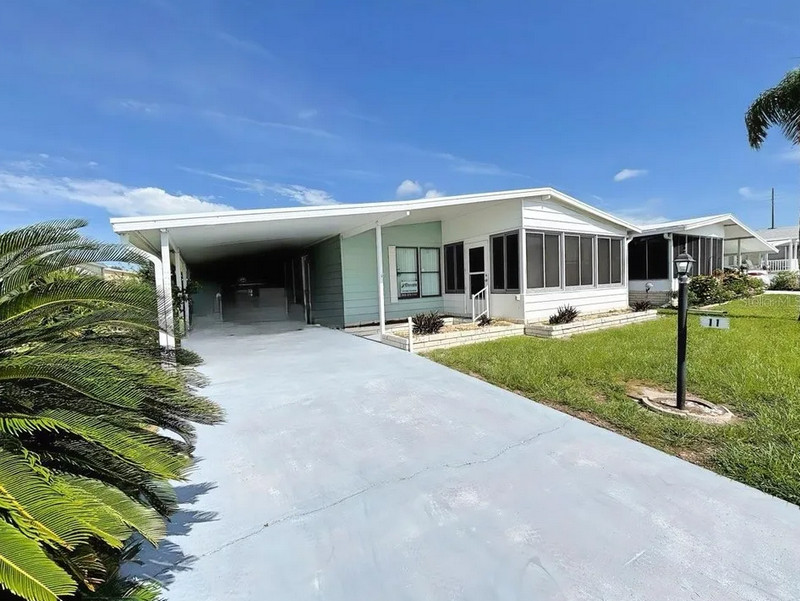
How Modern Mobile Homes Improve Safety
Fortunately, newer mobile homes are built with better safety standards. Over the years, building codes have improved significantly. For example, many homes now meet strict wind resistance requirements, especially in hurricane-prone regions.
These homes often include reinforced structures, stronger anchoring systems, and upgraded roofing materials. Moreover, manufacturers design them to handle higher wind loads depending on their location. In coastal areas, some homes can withstand winds up to 130 mph or more.
Water resistance has also improved. Elevated foundations, better sealing systems, and durable materials help reduce flood damage. Therefore, choosing a newer model can greatly increase safety and long-term durability.
Key Factors to Consider Before Buying
Before purchasing a mobile home in a hurricane zone, you should evaluate several critical factors. Each one plays a direct role in your safety and investment.
- Location Matters
First, check whether the home sits in a floodplain or near water. Homes in higher elevations or inland areas are generally safer. Additionally, research local storm history and risk levels before deciding. - Age and Condition
Older mobile homes may not meet current safety codes. Therefore, always inspect the structure carefully. A professional inspection can reveal weak roofing, outdated anchors, or structural issues. - Anchoring and Foundation
Proper anchoring is essential. Homes should be secured with tie-downs that meet local standards. In addition, elevated foundations help protect against flooding. - Hurricane-Resistant Features
Look for features like impact-resistant windows, reinforced roofs, and storm shutters. These additions can significantly reduce storm damage. - Insurance Requirements
Insurance costs can be higher in hurricane zones. You may need separate policies for wind and flood damage. Therefore, always check coverage options and pricing before buying. - Evacuation Planning
Finally, ensure you have a clear evacuation plan. Many communities provide routes and shelters, which can make a major difference during emergencies.
Pros and Cons of Buying in Hurricane Zones
While risks exist, there are also benefits to owning a mobile home in these areas. However, you should weigh both sides carefully.
Advantages to Consider
- Affordability – Mobile homes are generally more budget-friendly than traditional houses. Therefore, they provide access to desirable locations at a lower cost.
- Flexibility – Many communities offer flexible living arrangements. As a result, you can relocate more easily if needed.
- Prepared Communities – Residents in hurricane-prone areas often understand storm preparation. Consequently, communities may be better organized during emergencies.
Potential Drawbacks
- Weather Vulnerability – Even modern homes can still be affected by extreme storms.
- Higher Insurance Costs – Additional coverage increases overall expenses.
- Possible Evacuations – Storm warnings may require temporary relocation, which can disrupt daily life.
Frequently Asked Questions
1. Are modern mobile homes safe during hurricanes?
Yes, newer models built to updated codes are much safer, especially when properly anchored.
2. What wind speeds can mobile homes withstand?
Some modern homes can handle winds up to 130 mph, depending on location and construction.
3. Do I need special insurance?
Yes, you typically need windstorm and flood insurance in hurricane-prone areas.
4. Is location more important than home quality?
Both matter, but location plays a major role in overall risk exposure.
5. Should I avoid older mobile homes?
Not necessarily, but they require thorough inspection and possible upgrades.
6. Can mobile homes be elevated?
Yes, elevated foundations help reduce flood risk significantly.
7. Are mobile home parks safer?
Some parks are designed with storm safety features, including evacuation plans.
8. How can I prepare for a hurricane?
Secure your home, stock emergency supplies, and follow evacuation guidelines.
9. Do storm shutters make a difference?
Yes, they protect windows and reduce interior damage.
10. Is buying still worth it despite the risks?
Yes, if you take proper precautions and choose the right home and location.
Bottom Line
Buying a mobile home in a hurricane-prone area can be a smart and affordable decision. However, you must approach it with preparation and awareness. By choosing a well-built home, securing proper insurance, and understanding local risks, you can significantly improve safety.
Ultimately, the key is planning ahead. When you combine smart buying decisions with proper storm readiness, mobile home living in hurricane zones becomes much more manageable and secure.