
At first glance, RVs and mobile homes can appear similar because both offer residential living spaces. However, their purposes, legal classifications, mobility, and typical use cases differ significantly. If you are considering travel living, seasonal living, or long-term affordable housing, it is important to understand these differences before deciding which option fits your lifestyle and goals. Many people ask, is an RV a mobile home, but the answer depends on how each type of dwelling is built, used, and regulated.
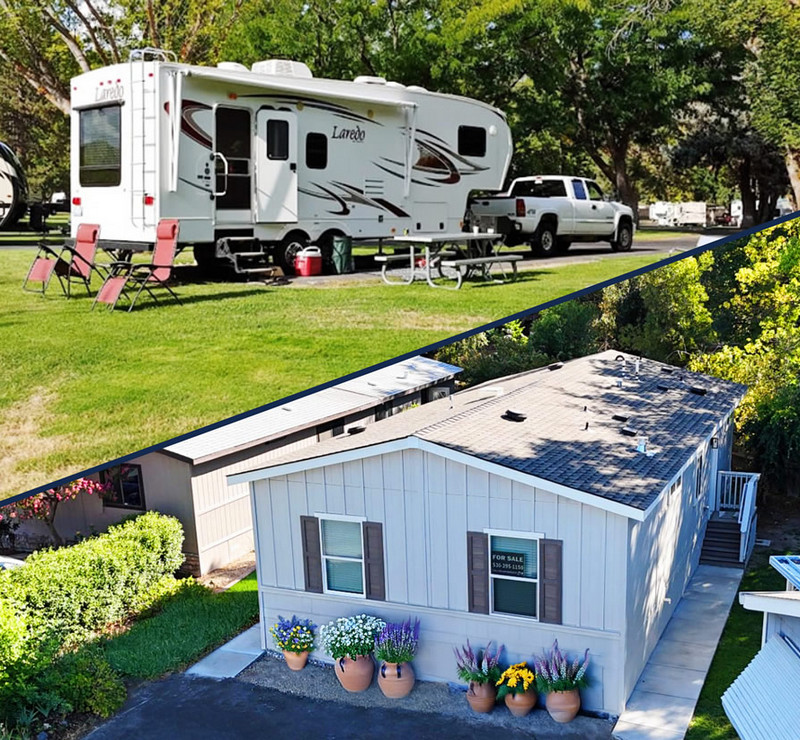
RVs, or Recreational Vehicles, are designed primarily for travel and temporary living. They can move freely from one location to another, making them popular for individuals who enjoy flexibility and adventure. On the other hand, mobile homes (also known as manufactured homes) are built for long-term, stationary residence on private land or within mobile home communities. They are not intended for frequent relocation after installation.
Understanding what makes these dwelling types different will help you make a confident and informed housing choice.
What Is an RV?
An RV, short for Recreational Vehicle, is a motorized or towable unit designed to provide temporary living accommodations while traveling. RVs come in multiple classes and sizes, from small campervans to large luxury motorhomes that resemble buses. They usually include beds, seating areas, kitchen appliances, and bathrooms so travelers can remain comfortable on the road.
Key characteristics of RVs include:
- Self-propelled or towable: Some models contain engines, while others require a tow vehicle.
- Designed for temporary living: Most RV users camp seasonally or travel intermittently.
- Focused on mobility: RVs are built to handle frequent movement and changing environments.
Because RVs are treated legally as vehicles, they must be registered, insured, and maintained like automobiles. They are ideal for individuals who prioritize travel and flexibility over permanent settlement.
What Is a Mobile Home?
Mobile homes, sometimes called manufactured homes, are prefabricated homes constructed in factories and transported to their final location. Once installed on a foundation and connected to utilities, mobile homes provide long-term, affordable housing.
Defining features of mobile homes include:
- Intended for permanent residence: They offer stable living space similar to traditional housing.
- Stationary placement: Moving one requires professional assistance and permits.
- Regulated housing standards: Mobile homes must meet building requirements and zoning rules.
Mobile homes often cost less than traditional site-built homes, making them a practical housing solution for retirees, families, and individuals seeking affordable ownership.
Laws and Regulations for RVs
RVs are regulated as vehicles, and owners must follow road safety laws:
- Registration: RVs must be registered with the DMV.
- Driving and towing limits: Vehicles must meet size and weight restrictions.
- Parking rules: Many cities do not allow overnight street parking for RVs.
In addition, long-term RV living may be restricted in certain areas because they are not classified as permanent residences.
Laws and Regulations for Mobile Homes
Mobile homes follow housing and land use regulations:
- HUD construction standards: Mobile homes must meet federal building codes.
- Zoning and placement rules: Some areas restrict where mobile homes may be located.
- Inspections and safety compliance: Homes may undergo safety inspections during installation.
These rules help ensure structural stability, weather resistance, and safe utility connections.
Key Differences Between RVs and Mobile Homes
When determining whether an RV can substitute for a mobile home, it helps to compare them side by side:
- Purpose: RVs are built for travel; mobile homes are built for permanent living.
- Mobility: RVs move frequently; mobile homes stay in one place.
- Regulations: RVs follow vehicle laws; mobile homes follow housing laws.
- Space and comfort: Mobile homes generally provide more living space.
- Cost: RVs may require high fuel and travel upkeep, while mobile homes may have land lease or installation expenses.
So, is an RV a mobile home? Legally and functionally, no. Their intended use and classification differ significantly.
Pros and Cons of RV Living
- Pros: Travel freedom, outdoor exploration, flexible stays, and lifestyle variety.
- Cons: Limited space, ongoing maintenance, fuel costs, parking restrictions, and weather exposure.
Pros and Cons of Mobile Home Living
- Pros: Affordability, stable housing, ability to customize interiors, and community amenities.
- Cons: Depreciation, zoning restrictions, relocation challenges, and potential stigma.
Frequently Asked Questions
1. Is an RV considered a home?
Some people live in RVs full time, but it is officially classified as a vehicle.
2. Can you live in an RV permanently?
Yes, but some cities restrict where long-term RV living is allowed.
3. Do mobile homes have to meet building codes?
Yes, they must meet HUD housing standards.
4. Can an RV be parked on private land?
Possibly, depending on local zoning rules.
5. Are mobile homes cheaper than RVs?
Often yes, especially for long-term living.
6. Can you move a mobile home easily?
No, moving requires professional relocation services.
7. Do RVs require insurance?
Yes, RVs must be insured like vehicles.
8. Do mobile homes depreciate?
Many do, though improvements can affect value.
9. Can you customize a mobile home?
Yes, many owners remodel and personalize them.
10. So, is an RV a mobile home?
No. They serve different purposes and follow different regulations.
Bottom Line
Ultimately, the answer to is an RV a mobile home is no. RVs are meant for travel and temporary stays, while mobile homes are designed for long-term living. Choosing between the two depends on whether your priority is stability or freedom to move. Understanding the lifestyle and regulatory differences will help you make the best decision for your needs.